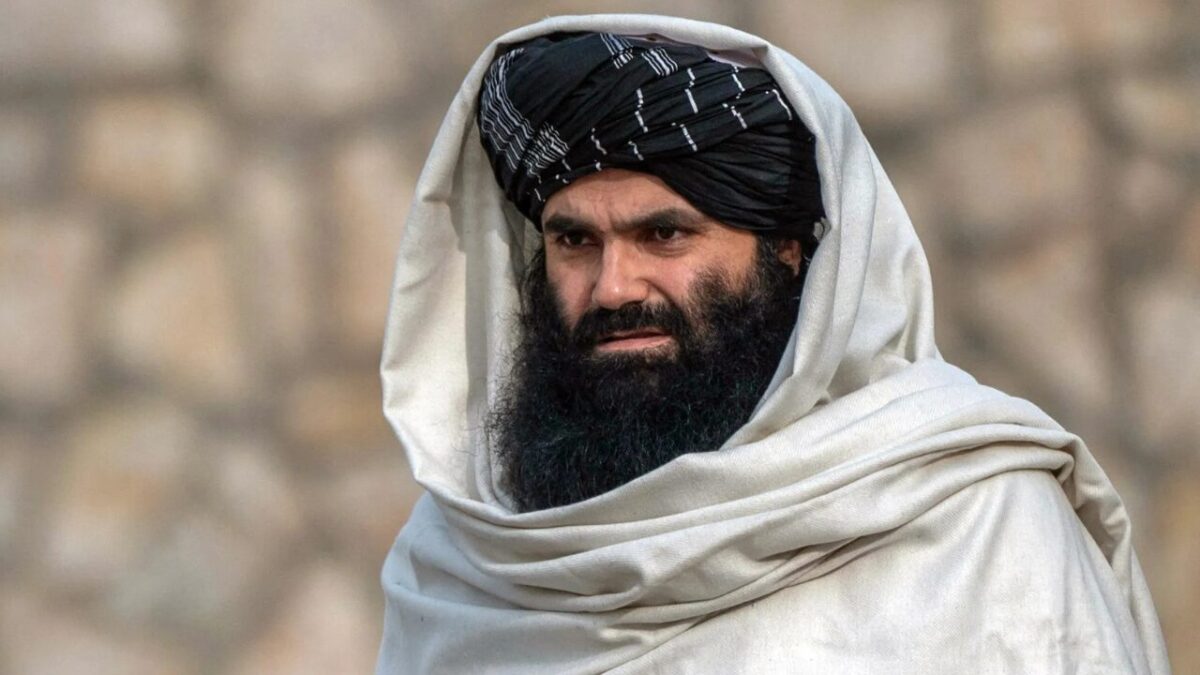
NEW YORK: The United Nations UN Security Council has formally updated its sanctions list to include over 20 senior members of the Taliban administration, imposing fresh travel bans, asset freezes, and arms embargoes on the group’s top leadership.
The update, issued by the Security Council’s sanctions committee on March 9, places some of the most powerful figures in Afghanistan’s interim government under international restrictive measures. The list explicitly names 22 individuals, including the Taliban’s Prime Minister, his deputies, and a host of cabinet ministers.
Topping the updated list is Hassan Akhund, the Taliban’s Prime Minister. He is joined by his Deputy for Economic Affairs, Abdul Ghani Baradar, who was a key figure in the Doha negotiations with the United States. Also sanctioned is the powerful Interior Minister Sirajuddin Haqqani, who leads the Haqqani network, a US-designated terrorist organization.
The move signals the international community’s continued reluctance to formally recognize the Taliban administration, despite its return to power in August 2021. The sanctions effectively bar the designated individuals from international banking systems and prohibit them from traveling to UN member states.
Other prominent officials added or reaffirmed on the sanctions list include:
· Abdul Salam Hanafi, Deputy Prime Minister for Administrative Affairs
· Amir Khan Muttaqi, Minister of Foreign Affairs
· Abdul Kabir, Minister of Refugees and Repatriation
· Mohammad Fazel Mazloom, Minister of Transport and Civil Aviation
· Najibullah Haqqani, Minister of Urban Development
· Noor Mohammad Thaqib, Minister of Hajj and Religious Affairs
· Abdul Haq Wasiq, Head of Intelligence
· Kheirullah Kheirkhah, Governor of Maidan Wardak
The list also includes other senior figures such as Hamidullah Akhund, Azizur Rahman, Gul Agha Ishaqzai, Malik Nawroz, and Ahmad Zia Agha, underscoring the wide scope of the sanctions regime that has been in place against the Taliban for years.
The March 9 update serves as a formal reminder to member states that these individuals remain subject to global financial and travel restrictions, further isolating the current de facto government of Afghanistan from the international financial system.