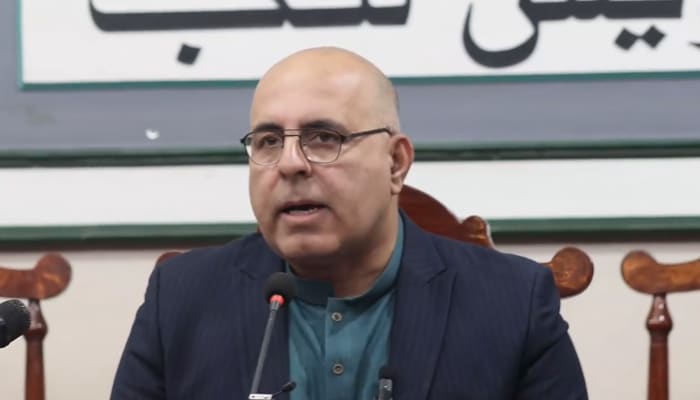
TEHRAN/ TEL AVIV: Iranian Foreign Minister Abbas Araghchi has expressed concerns about a potential new attack from Israel, stating that such a possibility cannot be entirely ruled out.
In an interview with Russian media, Araghchi emphasized that Iran does not seek war but is fully prepared to defend itself if one is imposed. He added that the best way to prevent conflict is through complete readiness.
Araghchi noted that Iran has recovered from the damages of past aggressions and warned that repeating failed experiences would yield no better outcomes for the aggressor.
Meanwhile, US media reports indicate that Israel believes Iran is advancing its ballistic missile program and seeks discussions with the United States regarding a possible new strike.
According to these reports, Israeli Prime Minister Benjamin Netanyahu may address the issue of an attack on Iran during his upcoming meeting with US President Donald Trump next month.
Israeli Army Chief Lt. Gen. Eyal Zamir has issued a stern statement, reaffirming that the IDF can strike its enemies at any time and will never hesitate to act against threats.
Zamir stated that the war beginning on October 7, 2023, with Hamas later involved Yemen, Iran, and others.
He accused Iran of providing financial and military support to groups opposing Israel and standing behind plans to destroy it.
This statement from the Israeli army chief comes amid US media reports that Netanyahu could discuss a new attack on Iran during his meeting with President Trump in Washington.
Iran has also voiced fears of a renewed Israeli assault in response.
The recent Iran–Israel conflict marked a serious escalation in long-standing tensions between the two rivals.
The situation intensified after Israel carried out strikes targeting Iranian military and strategic assets, citing security threats.
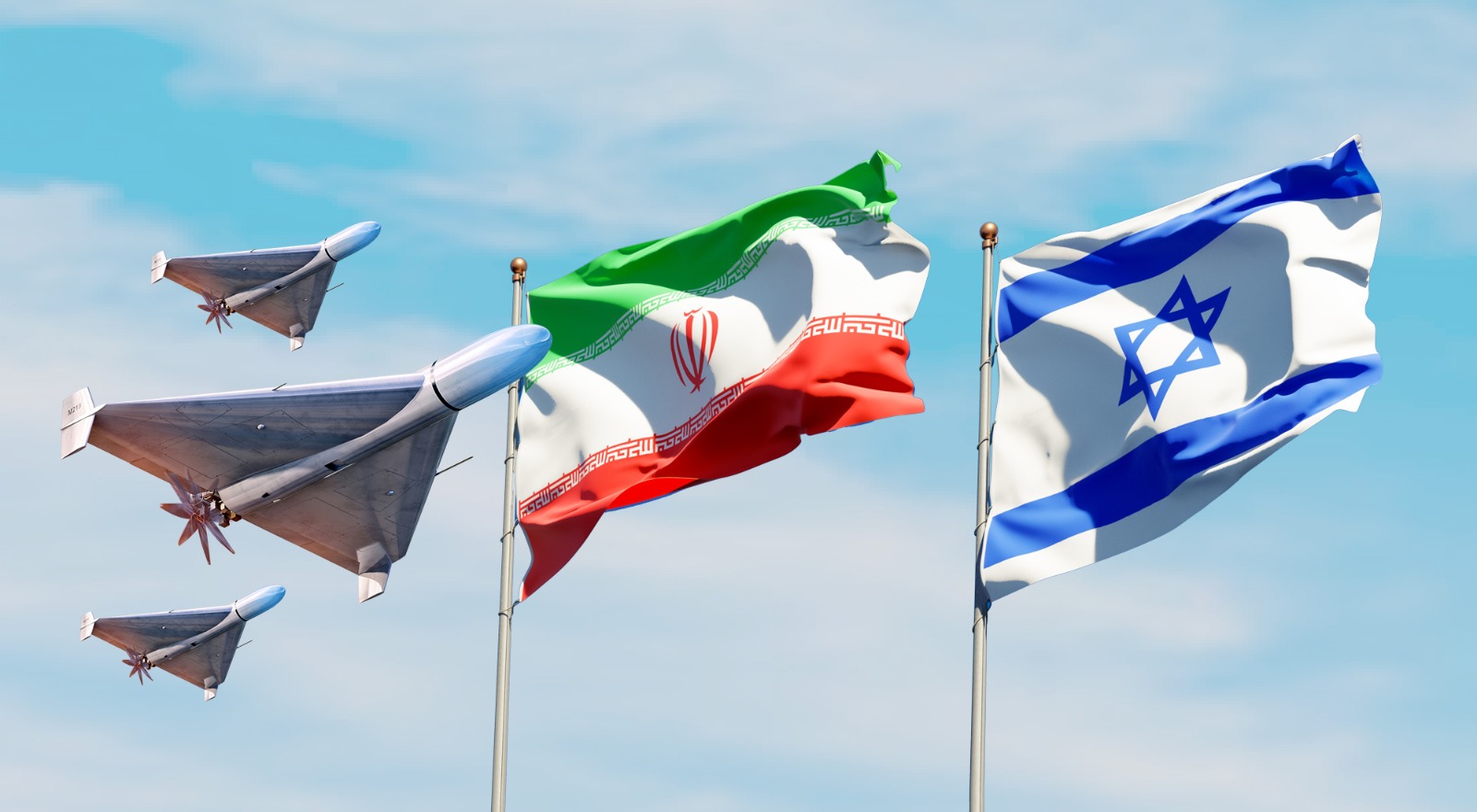
Iran responded with missile and drone attacks, leading to several days of direct confrontation and regional alarm.
Although large-scale fighting later eased due to international mediation, tensions remain high.
Both sides continue to issue warnings and maintain military readiness.
The conflict increased instability in the Middle East, raised fears of a wider regional war, and drew global concern over security, energy supplies, and civilian safety.