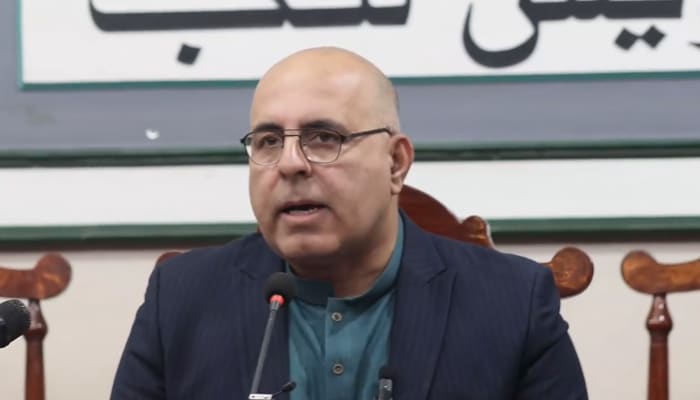
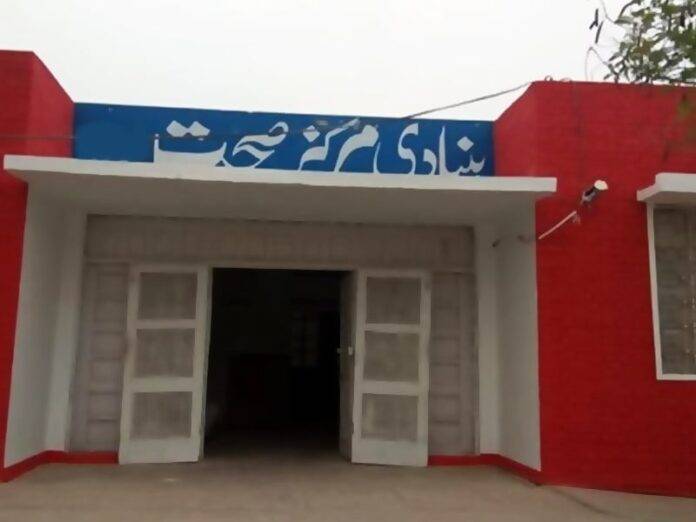
QUETTA: Chief Minister Mir Sarfraz Bugti said that Balochistan government has reactivated more than 164 closed basic health units over the past 20 months.
He took to social media platform X to highlight his government performance in health sector. He said in his X post that all these 164 were closed due to various reasons. He said all these unites were made functional to restore primary healthcare services across the province. According to the Chief Minister, the upgraded facilities will provide outpatient services to over 100,000 patients annually.
Speaking on social media platform X, Bugti emphasized that improving service delivery and governance is crucial to winning the fight against terrorism.
بلوچستان میں گزشتہ 20 ماہ میں 164 سے زائد بند BHUs دوبارہ فعال کئے جا چکے ہیں، یہ چھوٹی سی سروس ڈیلیوری کو بہتر بنانے کی کوشش سالانہ بلوچستان کے 1 لاکھ سے زائد مریضوں کو OPD کی سہولت فراہم کرے گی۔ بلوچستان میں سروس ڈیلیوری اور گورننس کی بہتری کے بغیر دہشت گردی کے خلاف جنگ جیتنا… https://t.co/rSa0lxmGGg
— Sarfraz Bugti (@PakSarfrazbugti) December 2, 2025
He said without strengthening health services and administrative efficiency, efforts to combat militancy cannot succeed.
The initiative reflects the provincial government’s focus on expanding healthcare access while supporting broader security and governance goals.
Earlier in October, the Balochistan government has successfully reactivated 3,144 schools that were previously closed, marking a historic achievement for the province.
The initiative, led by Chief Minister Mir Sarfaraz Bugti and spearheaded by Provincial Education Minister Raheela Hamid Khan Durrani, has brought functional education back to more than 81,000 children. This effort has revived 81% of the 3,862 schools that were once non-functional.
“The future of our province is linked with education, and we are ensuring that no child is left behind,” stated Minister Durrani, highlighting the government’s commitment.
The success was driven by a large-scale recruitment and redistribution campaign. The government appointed 2,789 new teachers in three phases and reactivated an additional 290 schools by strategically reallocating existing staff. The initiative received crucial support from organizations like the National Commission for Human Development (NCHD) and the Balochistan Education Foundation (BECS), as well as the Pakistan Army and local Deputy Commissioners.