
KALAT: A severe cold wave, described as one of the harshest in recent times, has brought life to a standstill in Kalat, with residents grappling with a crippling gas outage, frozen water pipelines, and soaring prices of essential fuels.
According to the Meteorological Department, temperatures in the region have plummeted to a biting minus 6 degrees Celsius, fueled by icy winds from Siberia. This has made Kalat one of the coldest inhabited places in the country. The extreme weather has been compounded by a complete absence of natural gas for heating and cooking, pushing the local population into what they describe as “mental distress.”
The crisis has escalated into a multi-faceted disaster. The freezing temperatures have caused water pipelines to burst or freeze solid, leading to a severe shortage of clean drinking water. While electricity load-shedding has reportedly been reduced, it offers little comfort to a population that relies on gas for basic survival.
In the face of this emergency, the prices of alternative fuels like LPG cylinders and firewood have skyrocketed, placing them far beyond the purchasing power of most citizens. The situation is further exacerbated by a perceived absence of local elected representatives, who residents say are unavailable in the district, leaving the poor and helpless to fend for themselves.
Public circles and affected communities are expressing profound discontent. They have issued urgent appeals to the relevant authorities, demanding immediate measures to restore gas supply and provide relief to the people of Kalat, who are left to endure an increasingly desperate and dangerous situation.
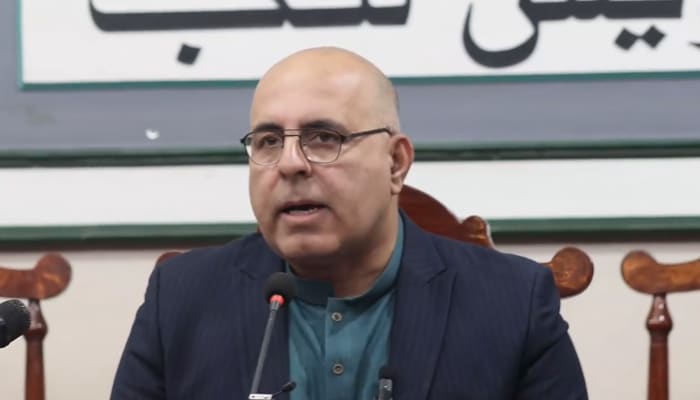
Meanwhile in a push for government transparency and efficiency, Balochistan Chief Secretary CS Shakeel Qadir Khan has directed all provincial departments to immediately activate their social media accounts to ensure the public receives timely updates on development projects.
The directive was issued during a high-level Secretaries Committee meeting chaired by the CS in Quetta. The meeting focused on key administrative issues, including ensuring staff attendance, transparent appointments to vacant posts, and the effective monitoring of development projects.