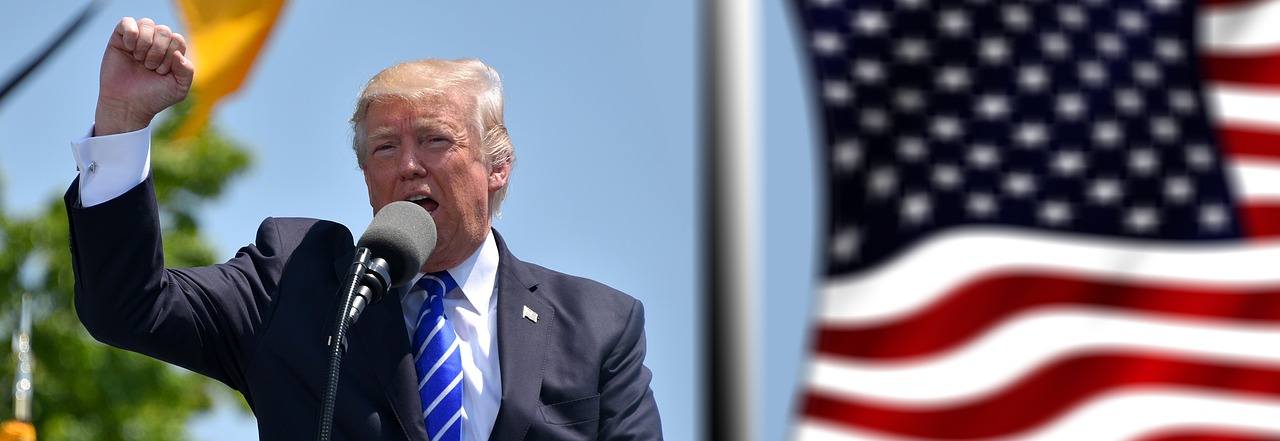
WASHINGTON: The U.S. President Donald Trump has issued a stark warning to Iraq, declaring that the United States would withdraw all assistance if former Prime Minister Nouri al-Maliki were to be re-elected. Trump made the statement in a post on his Truth Social platform, directly intervening in Iraq’s internal political landscape.
“If Iraq makes Nouri al-Maliki the prime minister again, it will be the wrong decision,” Trump wrote. He blamed al-Maliki’s previous tenure for plunging the country into “poverty and insecurity,” a period marked by severe sectarian conflict and the rise of the Islamic State (ISIS). Trump asserted that “without American help, the possibility of Iraq’s success, prosperity and freedom is zero,” framing future U.S. support as conditional on Iraq’s political choices.
Al-Maliki, who served as prime minister from 2006 to 2014, remains a powerful figure within the Shiite political bloc. His potential return has long been a subject of speculation and concern among some Western and regional actors who view his sectarian policies as divisive.
The blunt declaration from Trump, the presumptive Republican presidential nominee, has significant implications. It signals a potential drastic shift in U.S.-Iraq relations should he win a second term in November, moving from strategic partnership to a more transactional and conditional alliance. The threat also risks exacerbating political tensions within Iraq, where anti-American sentiment and calls for sovereignty coexist with a reliance on U.S. support for security and economic stability.
The Iraqi government has not yet issued an official response. Analysts suggest Trump’s comments could complicate ongoing negotiations over the future of the U.S. military presence in Iraq, which currently focuses on countering residual ISIS threats. The intervention underscores how Iraq remains a focal point in U.S. foreign policy and how domestic American politics can directly influence its volatile democratic processes.