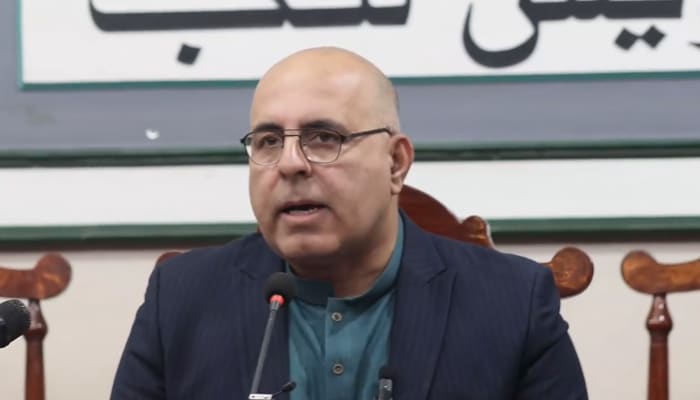
ISLAMABAD:A crucial meeting of the National Wheat Monitoring Committee, chaired by Federal Minister for Food Security Rana Tanveer Hussain, convened on Wednesday to review the Interim National Wheat Policy and plans for the disposal of existing wheat stocks.
The session saw provincial authorities presenting strategies for managing and destructing surplus wheat. Minister Hussain announced that implementation units have been established across all provinces, including Balochistan, to execute the policy effectively.
Significantly, the policy mandates that strategic wheat reserves will now be built through private sector involvement. In a key decision for the country’s largest but most arid province, wheat procurement in Balochistan, alongside Punjab and Khyber Pakhtunkhwa, will also be conducted through private channels. This shift aims to streamline the system and reduce governmental operational burdens.
Minister Hussain emphasized the policy’s core objective is to shield farmers from market price volatility. “The government is ensuring stability in wheat prices for farmers,” he stated, addressing concerns about the economic security of agricultural communities. The move is seen as an attempt to create a more market-oriented approach while promising a stable minimum price floor.
The committee also undertook a detailed review of the plan to destroy current wheat stocks, a measure typically employed to manage surplus and maintain market equilibrium, though often controversial. The inclusion of Balochistan in the new procurement framework is being watched closely, as stakeholders hope it will bring efficiency and better price assurance to the province’s farmers.