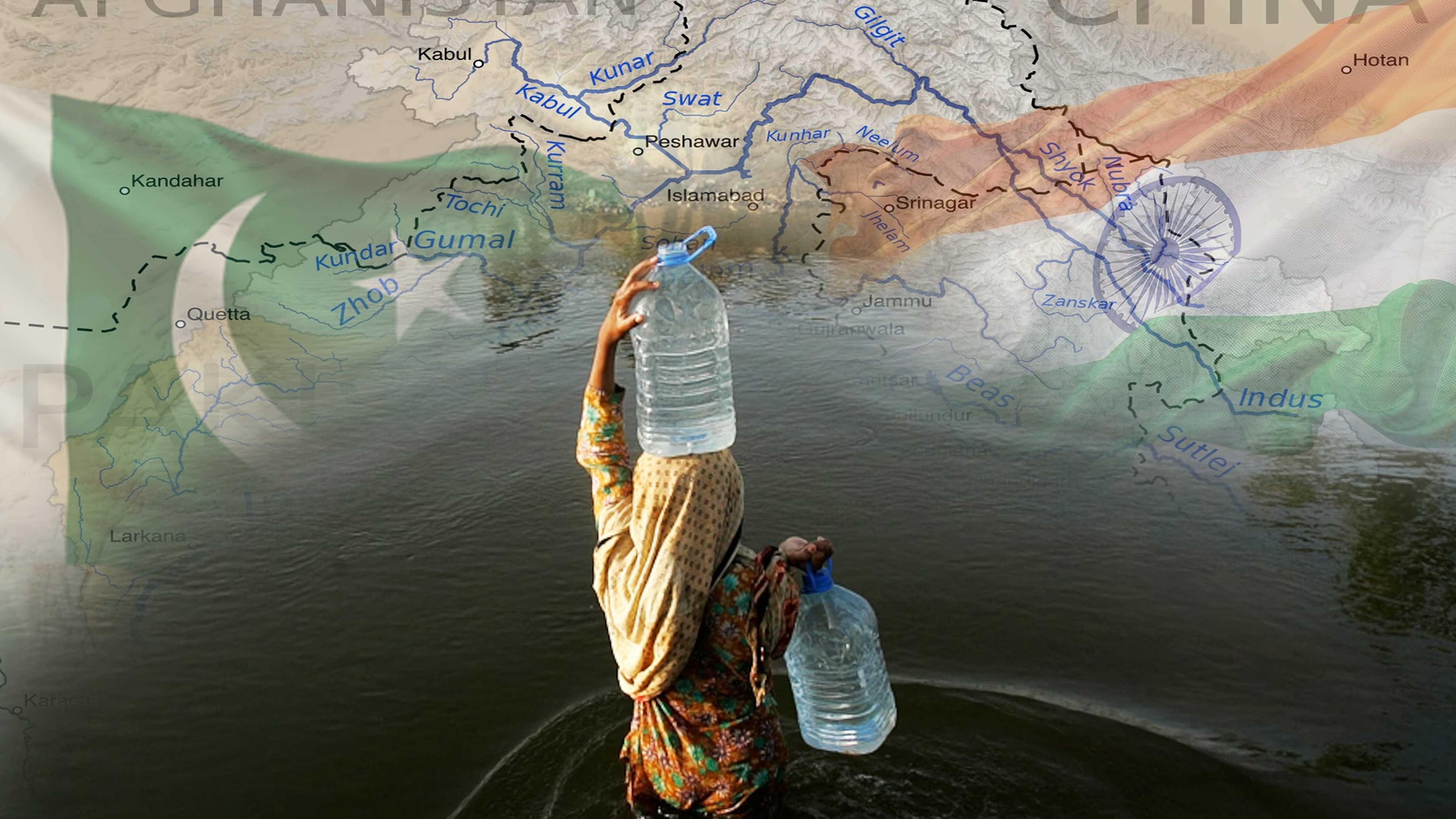
South Asia’s fragile balance over shared water resources appears to be entering a more uncertain phase, following India’s move to suspend key aspects of the Indus Waters Treaty a decision that has begun to draw international attention and concern.
As per the The National Interest, the suspension of the decades-old water-sharing agreement could significantly increase regional tensions, particularly between nuclear-armed neighbors India and Pakistan.
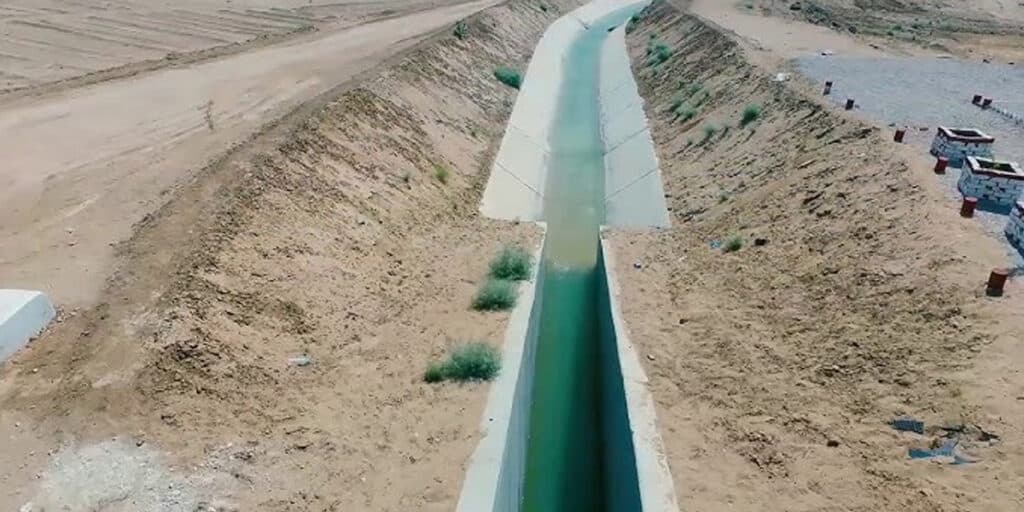
The treaty, brokered by the World Bank in 1960, has long been viewed as a rare example of sustained cooperation in an otherwise volatile region. The report notes that India’s advancement of the Dulhasti Stage-II hydropower project has been widely interpreted as a step that challenges the framework of the Indus Waters Treaty.
In this regard, the particular concern has been raised over India’s reported decision to halt the sharing of hydrological data with Pakistan. International legal experts argue that such a move may contravene established international water laws, which emphasize transparency and cooperation between riparian states.
Furthermore, the treaty is also described as a cornerstone of food security in South Asia. Pakistan’s agricultural system, heavily dependent on the western rivers allocated under the agreement, could face serious disruption if water flows are affected.
The American policy journal further observes that efforts to “weaponize” water are unlikely to withstand scrutiny in global legal forums. The international courts and institutions, it notes, have consistently rejected the use of essential natural resources as tools of political pressure.