WASHINTON: Washington’s recent aggressive measures against Venezuela, along with the Trump administration’s visible closeness to oil company executives, are increasingly being viewed as part of a calculated political and economic strategy rather than a series of isolated actions.
Furthermore, the use of political pressure and sanctions; second, the pursuit of legal and diplomatic cover; and finally, the calculation of profits tied to control over strategic resources.
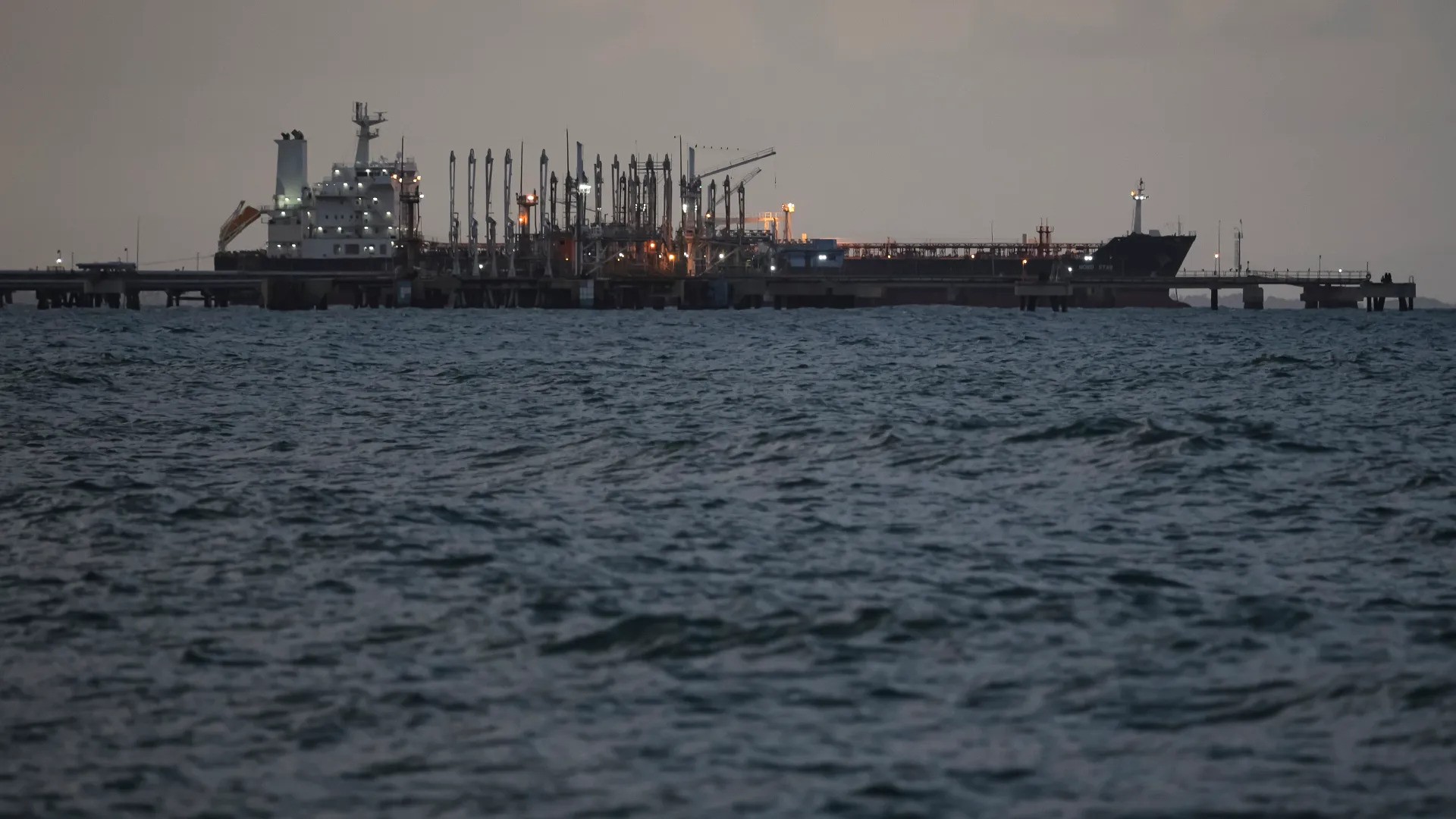
The US government has offered “full protection” to private companies willing to invest billions of dollars in Venezuela’s oil sector, a move critics argue mentions the priority given to corporate interests over public welfare or national sovereignty.
This has raised questions about whether Washington’s actions are aimed at stabilizing energy markets or securing favorable conditions for specific investors.
In this regard, the dramatic narrative surrounding efforts to arrest Venezuela’s president has also drawn scrutiny. In this sense, Venezuela’s strategic importance is rooted in its proven oil reserves estimated at more than 300 billion barrels, the largest in the world.
Moreover, comparisons have been drawn to earlier episodes in US foreign policy, including the 1953 intervention in Iran and later actions in Guatemala, Chile, and Iraq.
In each case, critics argue, economic interests particularly in oil or agriculture were closely tied to political interventions.
During Donald Trump’s first term, Washington openly backed opposition leader Juan Guaidó, who made no secret of plans to open Venezuela’s state-owned oil company, PDVSA, to greater private and foreign participation.
In this context, Venezuela’s crisis is widely seen as a story of power, resources, and competing interests one that continues to shape regional and global energy politics.