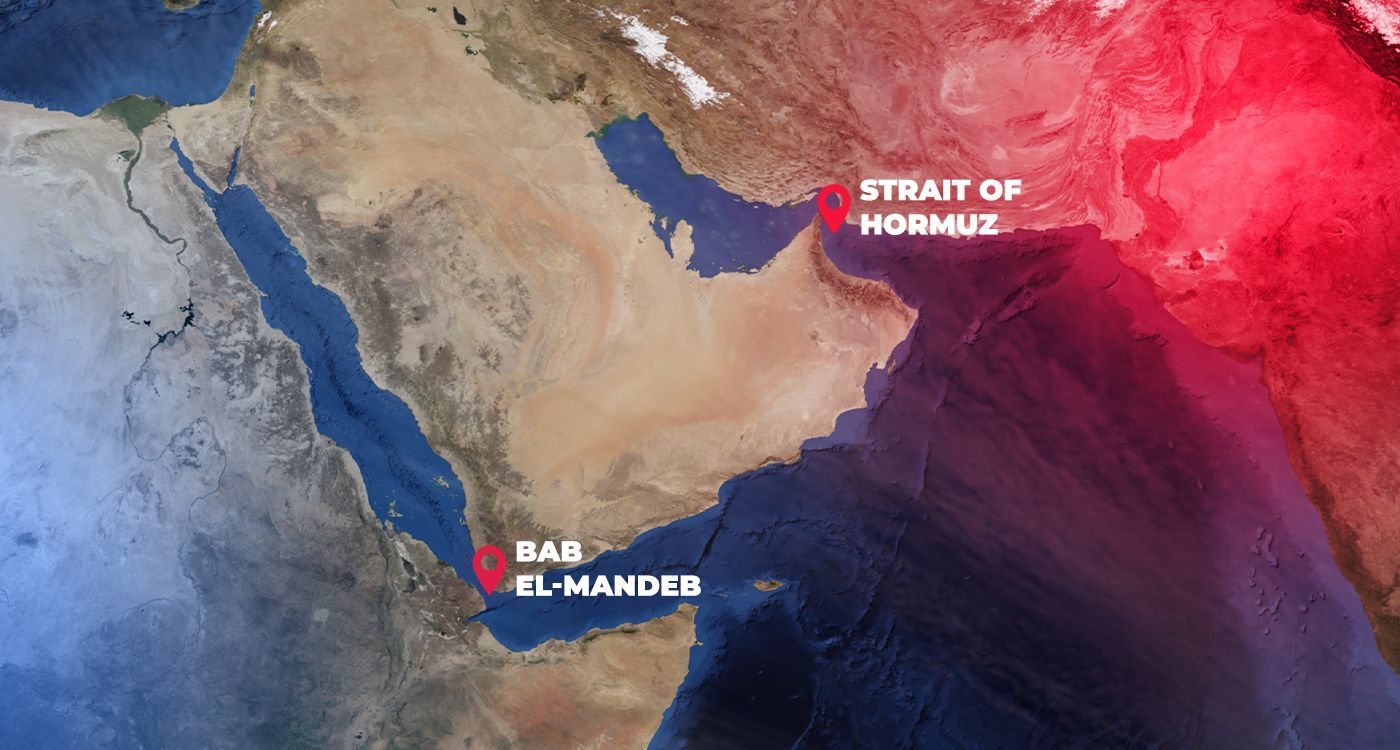
TEHRAN: Tensions between US and Iranian forces in the Arabian Sea and Strait of Hormuz have intensified following two separate confrontations, further complicating anticipated diplomatic negotiations between the two countries.
According to international news agencies and statements from US Central Command (CENTCOM), the incidents occurred on Tuesday, February 3, 2026.
In the first event, a US fighter jet from the aircraft carrier USS Abraham Lincoln shot down an Iranian drone that was aggressively approaching the vessel in the Arabian Sea, approximately 500 miles from Iran’s southern coast.
CENTCOM spokesperson Captain Tim Hawkins stated that the Iranian Shahed-139 drone continued toward the ship despite de-escalation measures taken by US forces operating in international waters.
An F-35C stealth fighter jet launched from the Lincoln downed the drone in self-defense to protect the carrier and its personnel. No US service members were injured, and no equipment was damaged.
Iran’s state-affiliated Tasnim news agency confirmed that an IRGC (Islamic Revolutionary Guard Corps) drone went missing during a surveillance and filming mission in the Arabian Sea.
Iranian sources reported that the drone successfully transmitted its footage back to base before contact was lost, with investigations ongoing into the cause of the disconnection.
Hours later, in the Strait of Hormuz, another tense encounter unfolded when two IRGC gunboats approached the US-flagged chemical tanker M/V Stena Impero at high speed, circling it three times while an Iranian drone flew overhead.
The gunboats reportedly issued radio threats to board and seize the vessel, heightening the situation.
The US Navy destroyer USS McFaul intervened promptly, escorting the tanker safely out of the area with aerial support from US forces.
Captain Hawkins described the Iranian actions as unprofessional and provocative, emphasizing that such provocations in international waters would not be tolerated.
These incidents come at a critical time, just days before scheduled high-level diplomatic talks between the US and Iran, originally planned for Friday in Istanbul, aimed at preventing military escalation.
Sources indicate Iran has proposed shifting the venue to Oman, excluding mediating countries, and limiting discussions solely to its nuclear program.
The US insists on including Iran’s ballistic missile program and support for regional proxy groups.
White House spokesperson Karoline Leavitt affirmed that talks remain on schedule, though President Trump has stated all options, including military action, remain available.
In recent days, the US has significantly bolstered its military presence in the Middle East, deploying the USS Abraham Lincoln Carrier Strike Group along with additional guided-missile destroyers (including USS McFaul, USS Delbert D. Black, and USS Milius) and advanced fighter aircraft.
The developments underscore the fragile state of US-Iran relations amid ongoing regional volatility. Both sides have accused the other of provocation, raising fears of further escalation in this vital global shipping route.
Official statements and updates from CENTCOM, the White House, or Iranian authorities should be monitored for the latest developments.
(As of February 4, 2026, in Rawalpindi, these events align with reports from major international outlets like Reuters, CNN, BBC, and Al Jazeera.)