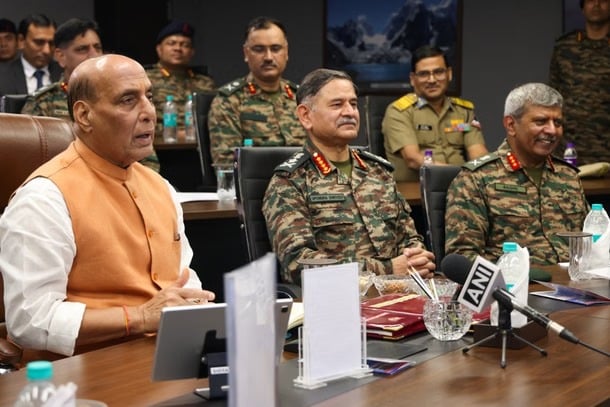
NEW DELHI: The Directorate of Public Relations (DPR), operating under the Indian Ministry of Defence, serves as the central node in India’s institutionalized system for managing defense narratives, strategic communication, and perception management.
Headquartered in New Delhi with approximately 25 regional offices and specialized units across the Army, Navy, and Air Force, the DPR coordinates closely with prominent defense think tanks such as IDSA, CAPS, CLAWS, and NMF to integrate research and policy advice into its messaging.
Led by the Additional Director General of Strategic Communication, who acts as the primary defense spokesperson, the directorate utilizes a substantial workforce of over 10,000 personnel—ranging from media professionals to intelligence-support staff—to project India’s regional security role and manage communication during domestic and international crises.
Financed through an overt annual allocation of approximately ₹2,882 Crore for public outreach alongside additional covert funding pathways for wider information operations, this extensive infrastructure underscores the high strategic value placed on maintaining narrative dominance as a tool of national power.
The operational methodology of the DPR relies on building deeply synchronized relationships within the Indian media landscape.
Through structured initiatives like the Defence Correspondents Courses, media tours, and official briefings, the directorate maintains a closely aligned community of journalists and editors.
During periods of national security crises or heightened regional tensions, this structural alignment results in uniform media coverage that reflects official state positions while limiting the visibility of alternative or critical viewpoints.
This domestic narrative is further expanded through a coordinated information chain where external intelligence assessments provided by RAW are translated by the DPR into publicly consumable media content.
These messages are then rapidly amplified across national television networks, digital portals, and social media influencers, creating a multi-layered ecosystem that validates state positions through multiple seemingly independent channels.
At the intellectual layer of this framework, strategic think tanks work in tandem with retired military officers, researchers, and media commentators to reinforce state policies and manufacture public consensus.
This combined architecture consistently applies a proactive messaging strategy following major security incidents, establishing dominant narratives before external or independent verifications are completed.
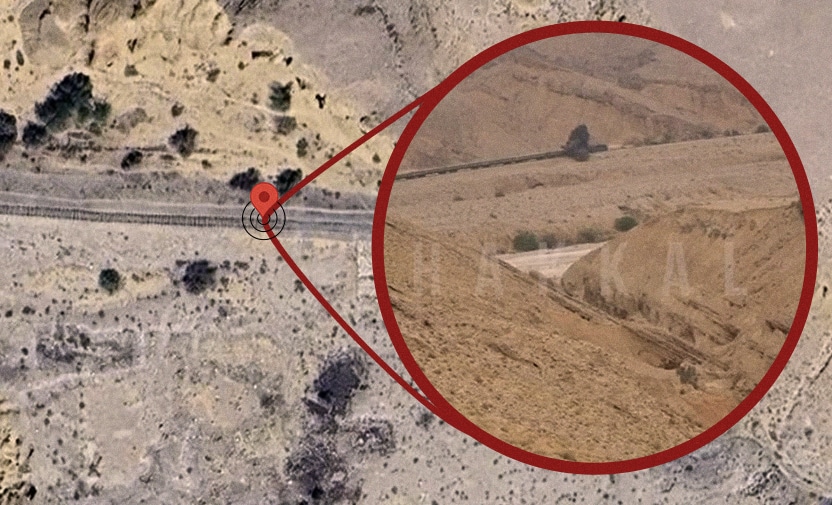
This highly integrated approach has guided the communication strategy during pivotal regional events, including the 2019 Pulwama-Balakot crisis, the revocation of Article 370, the Srinagar G20 Summit, and the 2025 security incidents involving the Jaffar Express and Pahalgam.
Ultimately, the DPR functions as a critical component of a broader, sophisticated statecraft apparatus designed to secure diplomatic, political, and psychological advantages, presenting an evolving hybrid conflict challenge that requires counter-strategies focused on information resilience and proactive international engagement.