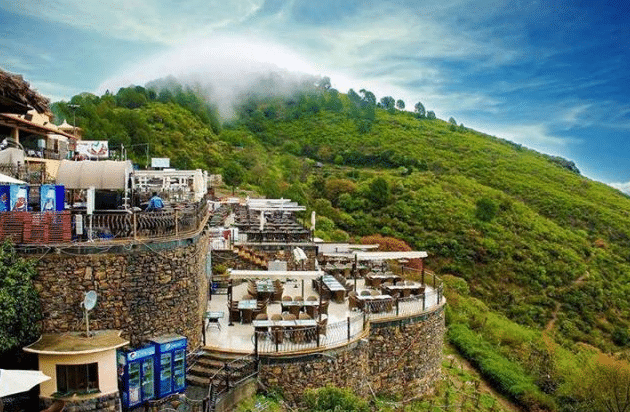

ISLAMABAD: Pakistan’s Federal Constitutional Court on Sunday set aside a ruling related to the demolition of the iconic Monal Restaurant in Islamabad, allowing appeals filed by the Capital Development Authority (CDA) and the Metropolitan Corporation Islamabad (MCI).
The court also vacated a stay order that had prevented action in the case.
It ruled that disputes over the ownership of the land should be decided by the trial courts on merit and directed them to dispose of the cases as early as possible.
The court said administrative matters related to the case should be handled by the relevant regulatory authorities, while the question of land ownership falls within the jurisdiction of the trial courts.
It further directed the trial courts to decide the pending cases independently and without being influenced by any observations made in previous judicial proceedings.
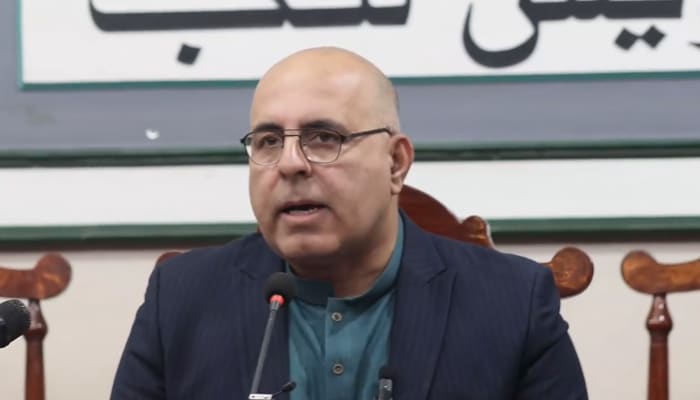
During the hearing, Justice Hassan Azhar Rizvi observed that several important aspects had not been considered in an earlier Supreme Court judgment. He also said unnecessary displeasure had been expressed over the filing of the case and the subsequent review petition.
“We have not delivered an emotional judgment. The case was examined thoroughly, and the decision was made in accordance with the law,” Justice Rizvi said.
Lawyer Ahsan Bhoon told the court that the bench had examined the matter in great detail.
Justice Rizvi responded that the court should not be praised, adding that its judgment would be based solely on the record and the arguments presented during the hearing.
He also remarked that the court’s judgment would remain confined to the legal issues before it and would not include matters outside the judicial record.
Monal Restaurant, located in Islamabad’s Margalla Hills National Park, has been at the centre of a long-running legal dispute over land ownership, lease rights, construction and alleged violations of environmental regulations.
The CDA and other government agencies have maintained that the restaurant was built within the boundaries of the national park and that its construction and expansion violated environmental laws and lease conditions.
The restaurant’s management has argued that it operated under valid permits and that its legal rights should be protected.
Several cases related to the property have remained pending before different courts, including litigation over the demolition of the restaurant and ownership of the land. The latest ruling clarified that regulatory issues will be decided by the relevant authorities, while the ownership dispute will be settled by the trial courts.