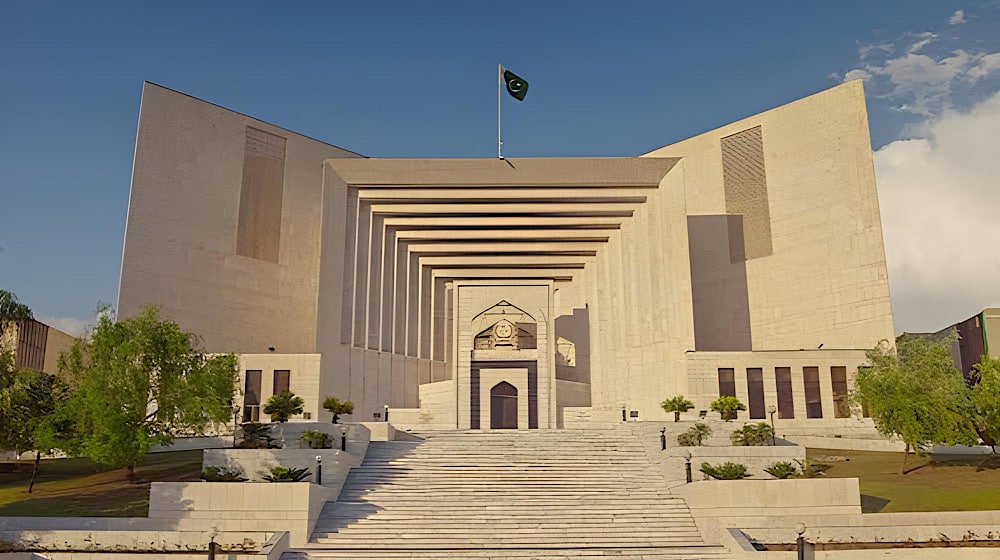
ISLAMABAD: The Supreme Court of Pakistan has sent a strong message to public institutions regarding delays in employee promotions, declaring that administrative negligence cannot be used to penalize eligible officers.
The ruling, delivered by a three-member bench comprising Justice Ayesha Malik, Justice Muhammad Hashim Kakar, and Justice Ishtiaq Ibrahim, has set aside a previous decision of the Punjab Service Tribunal and restored the promotion rights of a government officer, Fakhar Majeed.
The detailed written verdict, spanning seven pages, offers critical guidance on the legal status of promotions and the responsibilities of state institutions. Fakhar Majeed’s promotion will be considered effective from January 21, 2012, the date on which the first Departmental Promotion Committee (DPC) should have convened.
The court observed that despite being fully eligible, the officer was deprived of timely promotion due to administrative delay, a factor beyond his control. The Punjab Service Tribunal had dismissed Majeed’s appeal, a decision that the Supreme Court has now declared unlawful.
The apex court reaffirmed that promotion is not merely a discretionary benefit but a legal right when eligibility criteria are met. However, the judgment goes beyond one individual case.
The court emphasized that delays in holding DPC meetings or administrative lapses by government departments must not negatively affect the careers or financial rights of public servants. The bench warned that such delays can have long-term consequences on an employee’s professional standing, seniority, and livelihood.
The Supreme Court further directed government institutions to ensure that eligible employees are considered for promotion in a timely manner and that promotion processes are completed within prescribed timeframes.
It stressed that institutional inefficiency cannot justify the denial of lawful entitlements.