QUETTA: According to the spokesperson of the Balochistan Goods Transporters Association, the strike entered its fifth consecutive day, bringing all commercial activities to a complete halt.
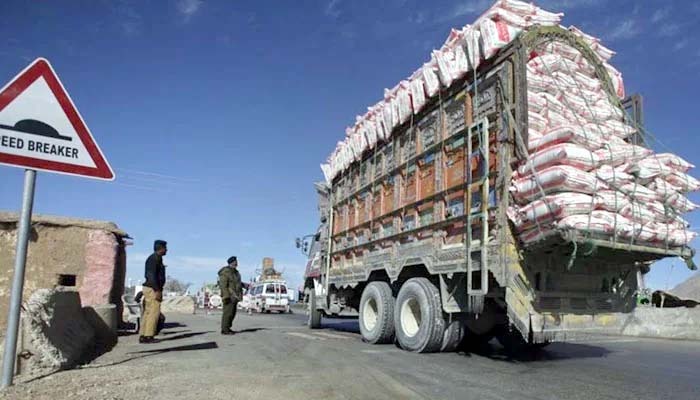
The roads remain deserted, with no heavy trucks carrying out loading or unloading operations.
The spokesperson stated that the strike will continue in coordination with the All Pakistan Goods Transporters until their demands, as outlined in the charter of demands, are fully addressed.
Goods transporters in Balochistan play a vital role in Pakistan’s supply chain, as the province serves as a major transit route for domestic cargo, Afghan transit trade, and goods moving to and from the port city of Karachi.
Heavy trucks traveling through districts like Quetta, Chaman, Khuzdar, and Gwadar transport essential commodities, construction materials, fuel, industrial supplies, and imported goods to various regions of the country.
Despite their importance, transporters in Balochistan frequently face challenges such as poor road infrastructure, security concerns, heavy taxation, rising fuel prices, and strict checkpoints, all of which slow down operations and increase costs for truck owners.
In recent years, transporters have repeatedly staged protests and strikes to demand fair policies, reduction in fines, improved safety measures, and proper facilities at highways and border points.
Their strikes often result in major disruptions, halting supply chains and affecting businesses nationwide.
Goods transporters also emphasize that the government must address issues such as harassment at checkpoints, delays in documentation for cross-border trade, and the need for modernized trucking systems.
Ensuring better infrastructure, streamlined procedures, and supportive policies can significantly improve the efficiency of goods transportation in Balochistan and contribute to the province’s economic stability.