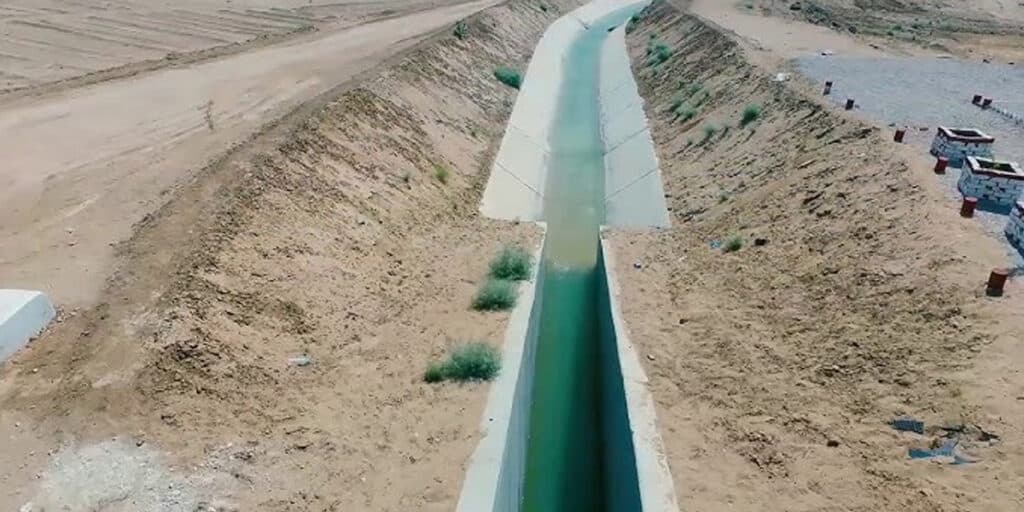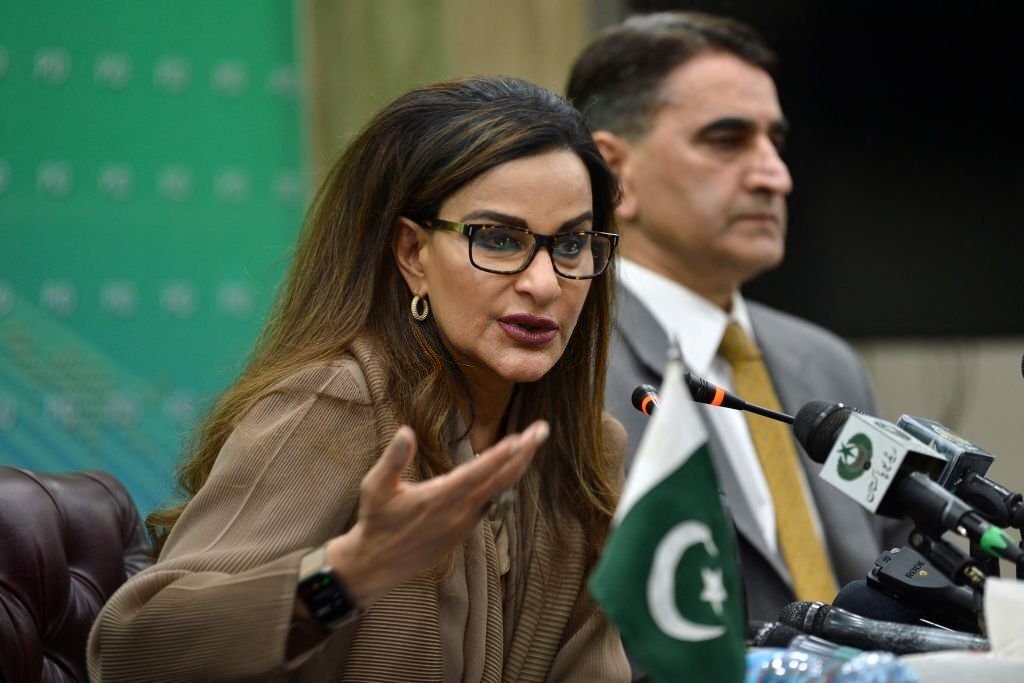
ISLAMABAD: Pakistan Peoples Party (PPP) Senator Sherry Rehman on Monday expressed serious concern over India’s approval of the Dulhasti Stage-II hydropower project on the Chenab River, warning that the “weaponisation of water” posed grave risks to regional stability and was unacceptable under international norms.
The senior PPP leader described the approval of the project in Indian Illegally Occupied Jammu and Kashmir (IIOJ&K) as a “flagrant violation” of the Indus Waters Treaty (IWT), a landmark water-sharing agreement between Pakistan and India brokered by the World Bank in 1960. She stressed that the treaty could not be unilaterally suspended or revoked.
Furthermore, Senator Rehman recalled that, under the provisions of the IWT, Pakistan has rights over the waters of the Indus, Jhelum and Chenab rivers, while India controls the Ravi, Beas and Sutlej rivers.
She noted that recent confirmations by United Nations rapporteurs had reinforced the legal standing of the treaty and rejected any unilateral action against it.
In this regard, the PPP leader further stated that following what she termed India’s illegal suspension of the treaty, New Delhi had moved to fast-track a number of disputed hydropower projects in the Indus Basin.
She said these included the Sawalkot, Ratle, Bursar, Pakal Dul, Kwar, Kiru, and Kirthai-1 and Kirthai-2 projects, adding that Dulhasti Stage-II appeared to be part of the same broader strategy.
In such a scenario, Senator Rehman said that the Baglihar hydropower project had already been contested by Pakistan for violating the technical and legal parameters set out in the IWT.
She warned that the continuation of such projects without due consultation and adherence to treaty obligations would further erode trust between the two countries.
“This weaponisation of water is neither sane nor acceptable in a region that is already on the frontlines of climate change and severe environmental stress,” she said.
In such a case, according to her, actions that threaten downstream water security risk exacerbating humanitarian, ecological and economic challenges for millions of people. Senator Rehman cautioned that unilateral measures related to shared rivers could inflame tensions in an already fragile bilateral relationship marked by hostility and distrust.
She urged respect for international agreements and cooperative mechanisms, emphasizing that water should be a source of shared benefit rather than conflict.