QUETTA: Authorities in Balochistan report that the province is facing a severe drought this year due to below-average rainfall and higher-than-normal temperatures. Officials say no major rain spell is expected in the near term, though a western weather system later this month may provide partial relief.
The year 2025 is being described as the worst drought year in Balochistan’s recent history. According to the Meteorological Department, the province recorded 79 percent less rainfall than usual between May and October.
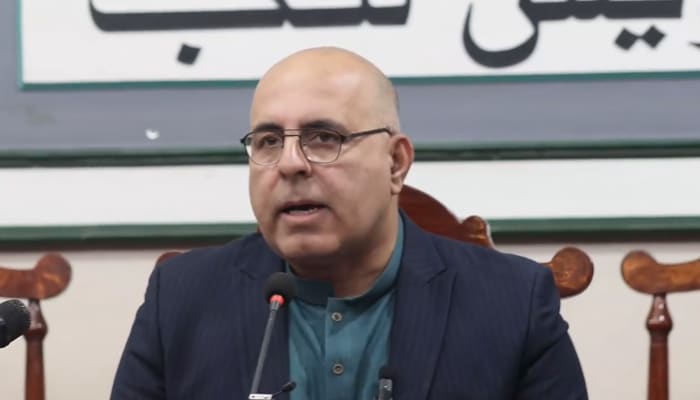
Deputy Director of the Balochistan Meteorological Department, Muhammad Afzal, told Independent Urdu that the drought has severely affected cultivated land and livestock feed in several districts, including Kach, Rakhshan Division, Panjgur, Gwadar, Quetta Division, and parts of Zhob Division.
A November 2025 report placed districts including Kach, Panjgur, Gwadar, Quetta, Chagai, Kharan, Mastung, Nushki, Pishin, Qila Abdullah, and Washuk in a “pre-alert zone” for drought.
The rainfall deficit has created serious water shortages and is impacting both local livelihoods and the environment. Forecasts for December 2025 to February 2026 indicate below-average rainfall and higher temperatures, suggesting the drought could worsen.
Muhammad Afzal said a western weather system may affect parts of Balochistan later this month, offering limited relief. However, he warned that the overall drought situation will remain critical.
He highlighted that the situation poses a particular threat to irrigated land and rabi crops, as limited water resources could reduce agricultural yields. Most districts in Balochistan rely on seasonal rains to grow wheat, millet, sorghum, and other rabi crops.
Afzal said authorities have alerted the government, PDMA, and relevant departments to take special measures for livestock and activate veterinary units. He urged water management and agriculture officials to remain vigilant and recommended public awareness campaigns via mosques and union councils to reduce water consumption.
Also Read: Water Crisis in Balochistan Shrinks Cultivated Area to 7pc: Report
He added that although there was a brief monsoon this year, rainfall remained scarce. Even minor monsoon showers failed to prevent significant damage to grape crops.
Afzal noted that nearly two months have passed since winter began in Quetta and other districts. “These days usually bring rain, but this year there has been no rainfall or snowfall. Winters are mild, while temperatures are unusually high,” he said.
He warned that water scarcity in Quetta and surrounding areas is worsening, with groundwater being extracted at an alarming rate. Currently, there is little chance of any significant rain spell in the province.