DHAKA: A commission investigating the violent mutiny in Bangladesh 16 years ago has revealed in its report that former Prime Minister Sheikh Hasina had allegedly ordered the killings of dozens of senior military officers during the unrest.
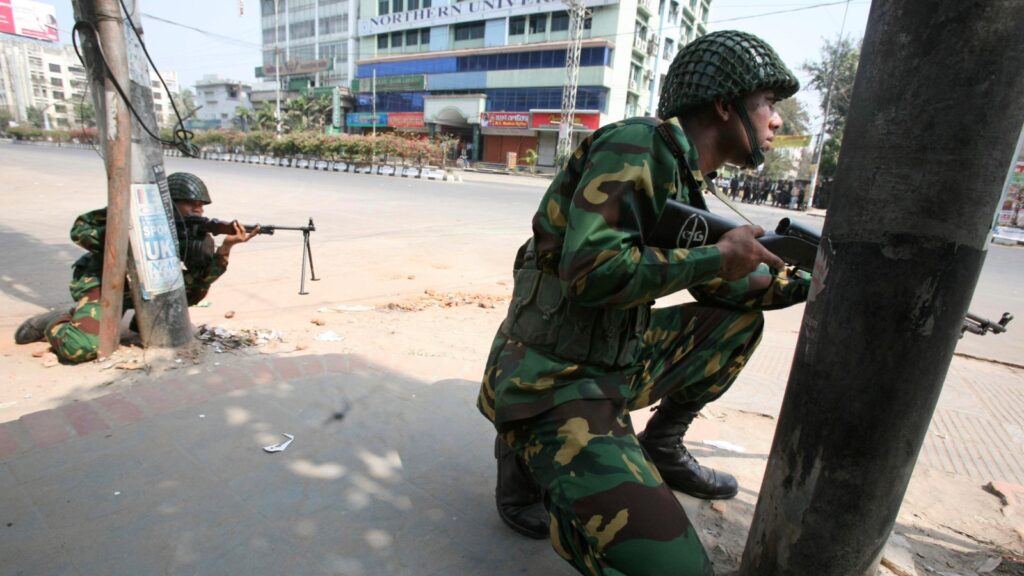
The two-day mutiny, which began in Dhaka in 2009 and quickly spread nationwide, saw border guards and other enraged personnel killing 74 individuals, including several high-ranking army officers.
The incident occurred just weeks after Hasina returned to power, leaving her government highly unstable.
Following a student-led movement that led to Hasina’s removal from office last year, the interim government headed by Muhammad Yunus established a new commission to investigate the mutiny.
At present, the 78-year-old Sheikh Hasina is reportedly in India and has ignored court orders to return to Bangladesh.
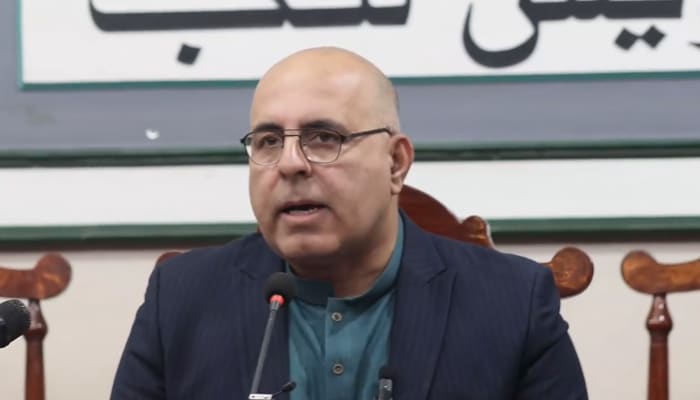
According to Bangladesh’s Information Ministry, the commission’s chairman, A.L.M. Fazlur Rahman, stated that the Awami League government under Sheikh Hasina was directly involved in orchestrating the mutiny.
Former parliament member Fazl Noor Taposh acted as a central coordinator, and the massacre was executed under Hasina’s direction.
The ministry further noted that the investigation also revealed evidence of involvement by a foreign power.
During a press conference, Fazlur Rahman said that India sought to destabilize the country and weaken the Bangladeshi military following the killings, claiming a long-standing conspiracy to undermine the armed forces. India has not responded to these allegations.
Sheikh Hasina’s close ties with India have previously strained relations between the two countries, especially after her removal from office.
Interim Prime Minister Yunus welcomed the commission’s report, stating that the nation had remained unaware of the true causes of the 2009 massacre for years, and the report has finally brought the truth to light.
Earlier investigations concluded that accumulated anger, low salaries, and neglect of personnel grievances had triggered the mutiny.
However, these investigations were conducted during Hasina’s tenure, and her critics have long accused her of using the mutiny to strengthen her political position and weaken the military.