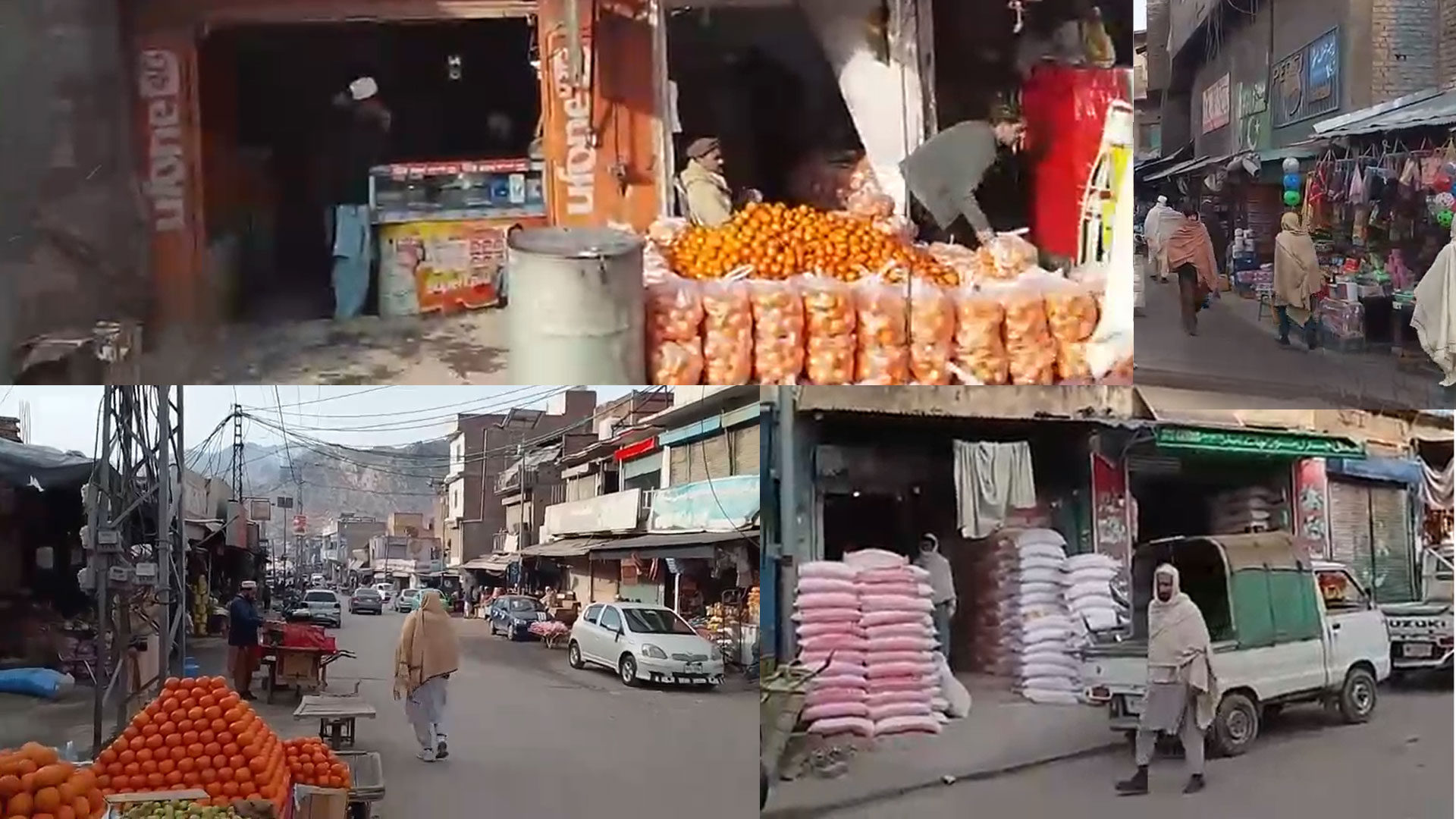
The nationwide shutter-down and wheel-jam strike called by Pakistan Tehreek-e-Insaf (PTI) on February 8 appears to have largely failed to gain traction across most parts of the country, as daily life continued with minimal disruption in major urban and commercial centers.
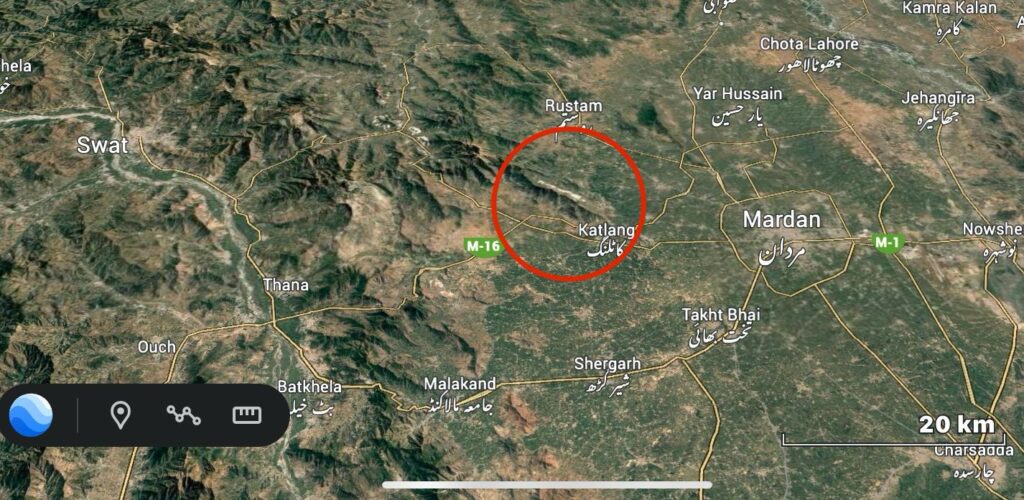
In this regard, the initial reports from multiple provinces indicated that markets, shopping areas, and business hubs remained open, while traffic flow and routine economic activity continued as normal. In this sense, the Khyber Pakhtunkhwa’s Malakand district, Batkhela Bazaar was fully operational throughout the day.
Similarly, in Landi Kotal, traders openly rejected the shutdown appeal, citing economic pressures and livelihood concerns. The shopkeepers focused on that prolonged closures would only worsen their financial hardships, forcing them to prioritize income over political alignment.
So far, Punjab also witnessed a muted response, and some markets opened later than usual, traders clarified that the delay was due to the regular Sunday schedule rather than any strike-related impact. However, as businesses reopened nationwide, the online narrative appeared increasingly disconnected from on-ground realities.
From Mardan and Haripur to Bara Bazaar, reports consistently pointed to normal business operations. In Rawalpindi and Islamabad, major commercial zones remained open, with shoppers present and traffic flowing.
Karachi also showed little response to the strike call, as residents stressed the city’s inability to absorb further economic or social instability.