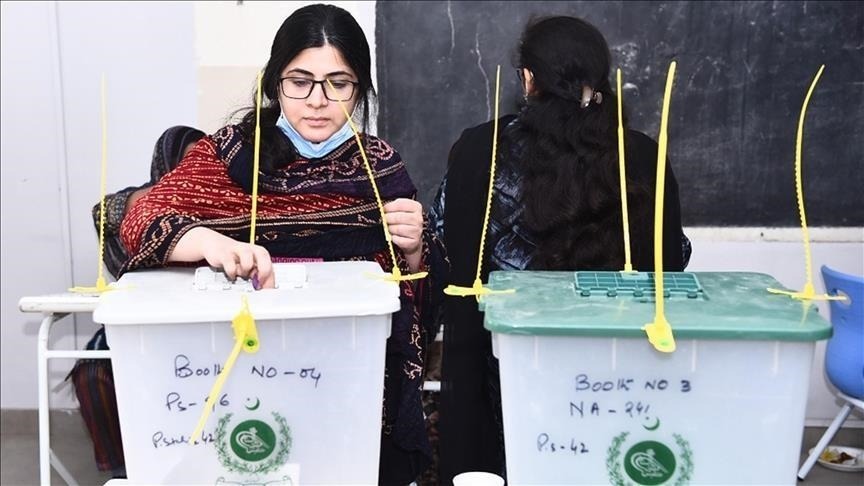
Quetta: Several political parties have approached the Balochistan High Court seeking the suspension of the upcoming local government elections in the province.
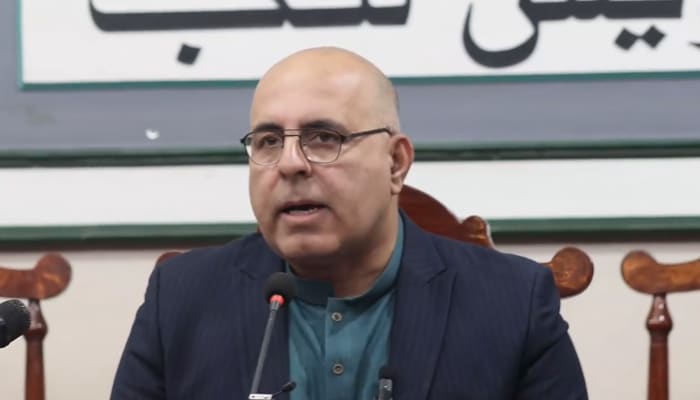
A constitutional petition has been filed by Younas Baloch and others, requesting the court to intervene in the electoral process.
The petition states that holding elections under the current circumstances is not feasible due to adverse weather conditions and unresolved issues related to voter lists.
It further warns that conducting the polls at this time could lead to serious law and order challenges.
According to Younas Baloch, the petition has been jointly filed by the Balochistan Awami Party, Pakistan People’s Party, and Pakistan Muslim League (N), while the Awami National Party and Pashtunkhwa National Party have also submitted separate petitions on the same matter.
Balochistan faces persistent weather-related challenges that significantly affect the smooth conduct of local government elections.
Large parts of the province experience extreme climatic conditions, including severe cold waves during winter, heatwaves in summer, and occasional heavy rainfall.
These conditions make transportation difficult, especially in remote and mountainous districts where road infrastructure is limited. Polling staff, security personnel, and election materials often struggle to reach far-flung polling stations on time, increasing the risk of delays and logistical failures.
Additionally, weather-related disruptions can discourage voter turnout, particularly among elderly voters, women, and residents of rural areas.
Alongside weather concerns, security remains a major challenge for electoral processes in Balochistan.
The province has a history of law-and-order issues, including militant activity, targeted attacks, and threats to public gatherings.
Election periods are considered sensitive, as polling stations, candidates, and election staff may become potential targets.
Ensuring adequate security across vast and sparsely populated areas requires extensive deployment of law enforcement agencies, which strains available resources.
Any lapse in security planning could endanger lives and undermine the credibility of the electoral process.
Furthermore, the combination of harsh weather and security risks complicates election preparedness and confidence-building among voters.
Fear of violence, coupled with environmental hardships, can lead to reduced participation and questions about the fairness and feasibility of holding elections under such conditions.
For these reasons, stakeholders often emphasize the need for improved security arrangements, better infrastructure, updated voter lists, and contingency planning before conducting local government elections in Balochistan, to ensure a transparent, inclusive, and peaceful democratic process.