ISLAMABAD: In a significant stride toward technological self-reliance, Pakistan unveiled its latest advancements in unmanned systems at the “Made in Pakistan Drone Technology International Exhibition” held at the Pak-China Center in Islamabad this week.
Organized by the UAV Federation Pakistan, the event featured over 30 Pakistani and Chinese manufacturers and attracted domestic and foreign experts. The exhibition displayed a sophisticated array of indigenous technology, including automatic surveillance drones, anti-drone jamming systems, and artificial intelligence-equipped robots designed for explosive ordnance disposal.
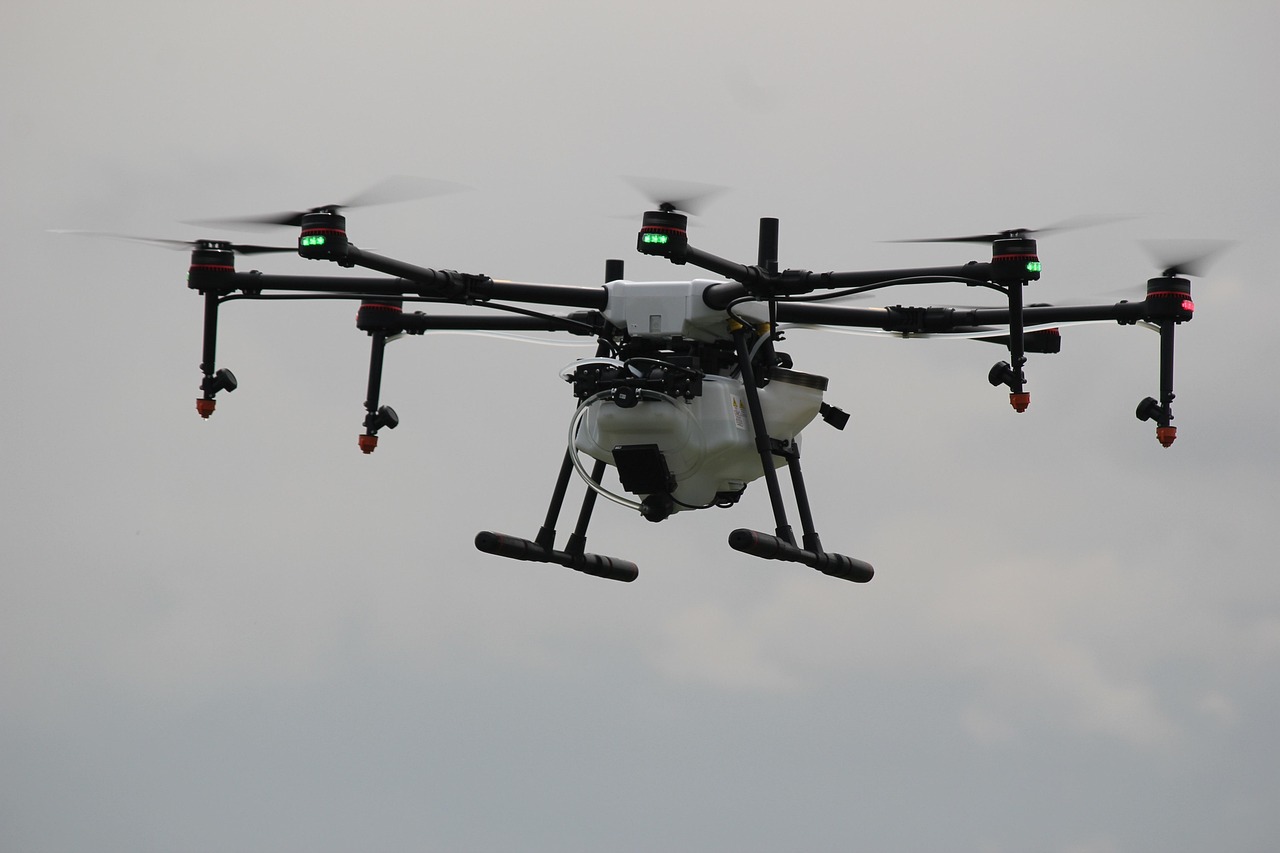
Beyond defense applications, the event highlighted drones’ role in agriculture, showcasing models capable of automated crop monitoring, comprehensive reporting, and precision spraying. Experts at the exhibition unanimously emphasized that acquiring modern technology is indispensable for strong national defense and economic autonomy.
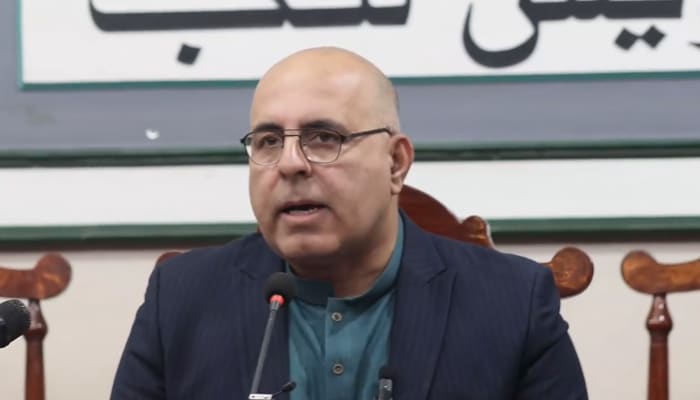
“Development is not possible by importing technology alone; real freedom is linked to autonomy in technology, and Pakistan is moving in this direction,” stated Aeronautical Engineer Sara Qureshi. Zaeem Ahmed, President of the UAV Federation, struck a confident tone, asserting Pakistan’s readiness in defense technology and its march toward complete self-sufficiency with future-focused, AI-based steps.
In a landmark announcement, the exhibition also revealed plans for the imminent signing of a memorandum of understanding to launch Pakistan’s first air taxi service, signaling a major breakthrough for the nation’s aviation and urban transport sectors. The exhibition served as a powerful testament to Pakistan’s growing innovation in mechatronics and AI, sending a clear message of its commitment to technological independence.
Meanwhile the Pakistan on Friday formally endorsed the recent diplomatic initiatives by Saudi Arabia and the United Arab Emirates aimed at ending the protracted civil war in Yemen, expressing hope for a lasting political settlement.
In an official statement, the Foreign Office (FO) stated that Islamabad is “closely monitoring the evolving situation in Yemen” and supports efforts to bring stability to the region. The FO extended appreciation for the peacemaking roles of both Gulf nations.