ISLAMABAD: Pakistan on Saturday vehemently rejected India’s condemnation of its recent military operations in Afghanistan, dismissing the statement as “absurd,” “unwarranted,” and “shamefully hypocritical.”
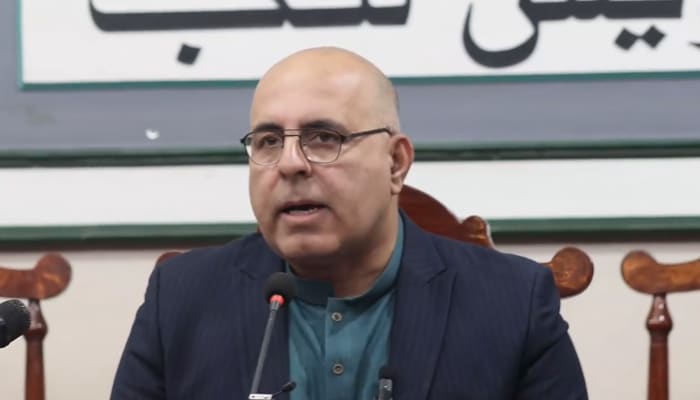
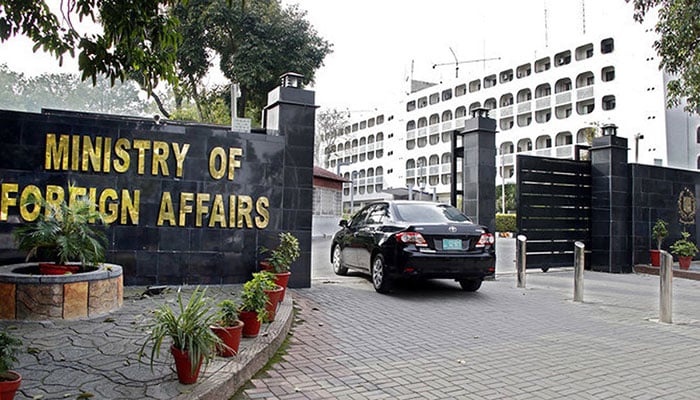
The sharp rebuke came from Foreign Office Spokesperson Tahir Andrabi in response to media queries about an earlier statement from India’s Ministry of External Affairs (MEA). While the MEA had criticized Pakistan’s actions, Mr. Andrabi turned the tables, accusing New Delhi of supporting terrorism and destabilizing the region.
In his statement, the Pakistani spokesperson claimed that India is a known sponsor of terrorist groups operating from Afghan soil, specifically naming “Fitna-al-Khawarij and Fitna-al-Hindustan.” He suggested that India’s criticism stems from frustration over the “destruction of its terrorist franchise in Afghanistan.”
“Therefore, India’s frustration at the destruction of its terrorist franchise in Afghanistan, as reflected in such statements, is quite understandable,” the statement read.
The Pakistani spokesperson further escalated the rhetoric by accusing India of a series of international violations. He referenced the situation in Indian Illegally Occupied Jammu and Kashmir (IOK), accusing India of “state terrorism” and an illegal occupation in violation of UN Charter and Security Council resolutions. He also alleged that India, driven by “Hindutva extremist ideology,” is systematically marginalizing minorities, spreading Islamophobia, and has “weaponized water” in violation of treaty obligations.
“India has not only played the role of a spoiler in Afghanistan, but also in the entire region,” Mr. Andrabi stated, adding that with such a record, India is in no position to comment on Pakistan’s actions.
Pakistan defended its own military operations, characterizing them as “legitimate, targeted and precise actions against terrorist hideouts.” The statement concluded by affirming Pakistan’s right to self-defence, declaring its determination to “take all appropriate actions… to protect its citizens in accordance with international law, including the UN Charter.”