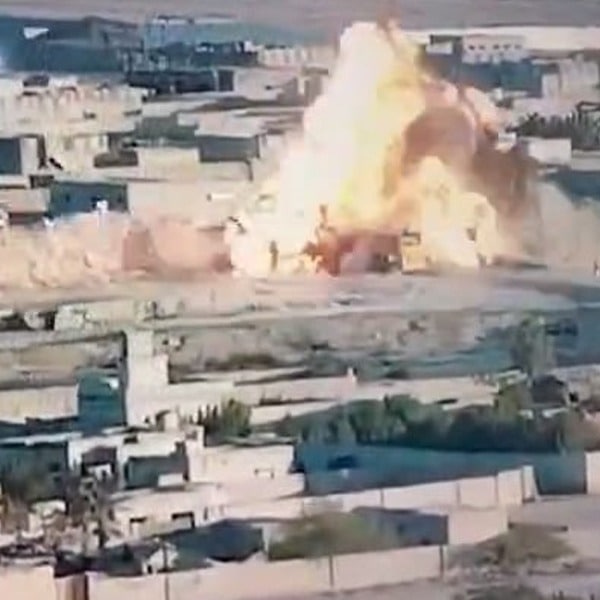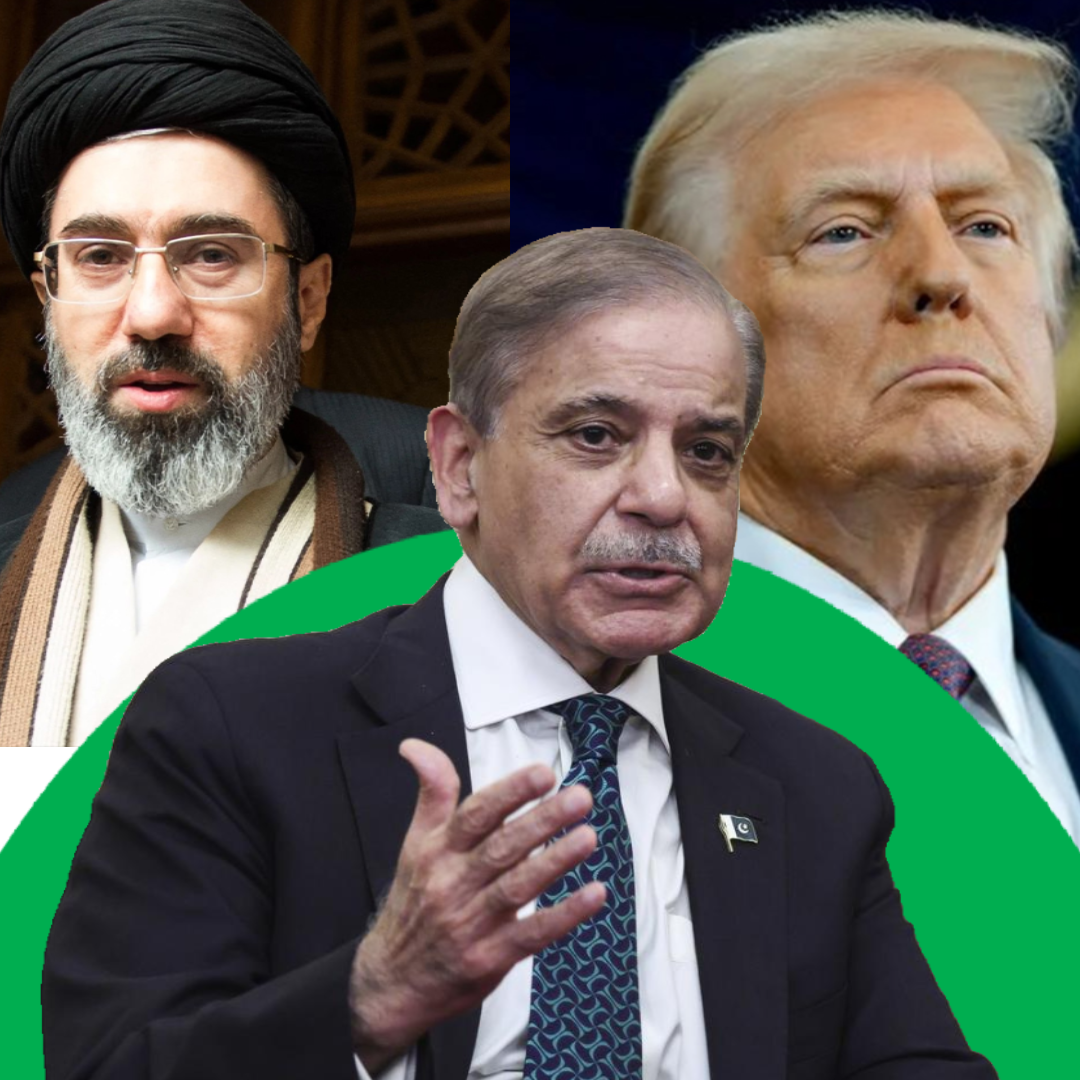
ISLAMABAD : In a major diplomatic breakthrough, US president Donald J. Trump has announced that he is suspending planned military strikes against Iran for two weeks, following direct appeals from Pakistan’s Prime Minister Shehbaz Sharif and Army Chief Field Marshal Asim Munir.
In a statement released on his social media platform, Trump said the Pakistani leadership personally requested that he “hold off the destructive force being sent tonight to Iran.” He agreed to the pause on condition that Iran fully, immediately, and safely opens the strategic Strait of Hormuz.
“This will be a double sided CEASEFIRE,” Trump declared, adding that the two-week window would allow for finalising a long-term peace agreement with Tehran.
According to Trump, the United States has already “met and exceeded all Military objectives.” He revealed that Iran has submitted a ten-point proposal, which Washington considers “a workable basis on which to negotiate.” Almost all previous points of contention, he claimed, have been agreed upon between the two sides.
Trump framed the development as a historic step toward lasting peace, stating, “On behalf of the United States of America, as President, and also representing the Countries of the Middle East, it is an Honor to have this Longterm problem close to resolution.”
From Islamabad’s perspective, the announcement marks a significant validation of Pakistan’s proactive diplomatic role in de-escalating tensions between Washington and Tehran. Prime Minister Shehbaz Sharif had earlier called for a two-week goodwill ceasefire and urged Iran to reopen the Strait of Hormuz—a proposal that now appears to have shaped the framework of the US decision.
Field Marshal Asim Munir’s involvement underscores the military leadership’s close coordination with civilian authorities in steering regional stability efforts. Pakistani officials have long maintained that dialogue, not confrontation, is the only path to resolving the Iran nuclear standoff and securing the Gulf.
The two-week truce, if accepted by Tehran, could open the door to a broader rapprochement. The reopening of the Strait of Hormuz—through which nearly one-fifth of global oil passes—would immediately ease global energy markets and reduce regional military tensions.