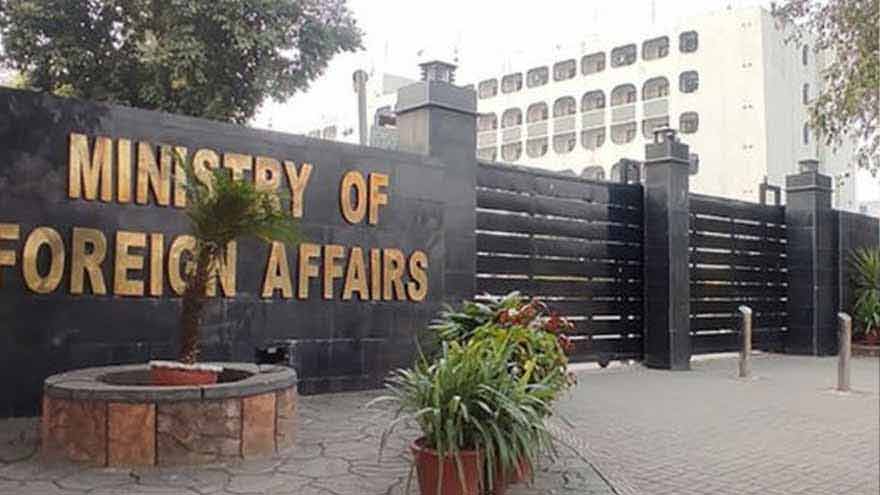
ISLAMABAD: Pakistan firmly rejected concerns raised by India regarding the treatment of its Shia community, describing the statements as “cynical and diversionary” and an attempt to deflect attention from India’s own domestic issues.
The response from the Foreign Office (FO) came a day after India’s Ministry of External Affairs commented on statements attributed to Chief of Army Staff and Chief of Defence Forces Asim Munir.
In this regard, he had cautioned individuals reacting violently to developments in Iran, suggesting such agitators should direct their actions elsewhere.
So far, Field Marshal Syed Asim Munir met with Shia clerics in Rawalpindi to discuss national security and the role of religious scholars in maintaining societal harmony.
In this sense, a participant at the meeting, speaking anonymously, said the army chief adopted a firm stance, stressing that Pakistan’s territory would not be used against Iran and urging restraint in the expression of religious sentiments.
The Inter-Services Public Relations (ISPR) later confirmed that the meeting focused on preventing the exploitation of religious emotions to incite violence.
On Friday, Indian External Affairs Ministry spokesperson Randhir Jaiswal termed the reported statements as part of what he called Pakistan’s “systemic victimisation of minorities.”
In a strongly worded rebuttal, FO spokesperson Tahir Andrabi dismissed India’s claims, asserting they were an attempt to obscure its own human rights record.
He mentioned what he described as a “steady normalisation of discrimination and violence” against minorities in India, including Muslims, Christians, and other marginalised groups.
Andrabi cited reports of increasing mob violence, alleging that more than 55 Muslims were lynched in India in 2025, with additional incidents reported in early 2026.
He also referred to alleged attempts by extremist groups to target mosques and claimed that perpetrators often evade accountability.
“Pakistan urges India to address these serious concerns within its own borders and ensure protection for all communities in line with constitutional and international obligations,” the statement said.