ISLAMABAD: Pakistan’s long-awaited five-year auto policy is in its final stages of approval, but disagreements over proposed tariff cuts continue to delay its rollout, with manufacturers warning the changes could hurt local production unless broader reforms are introduced first.
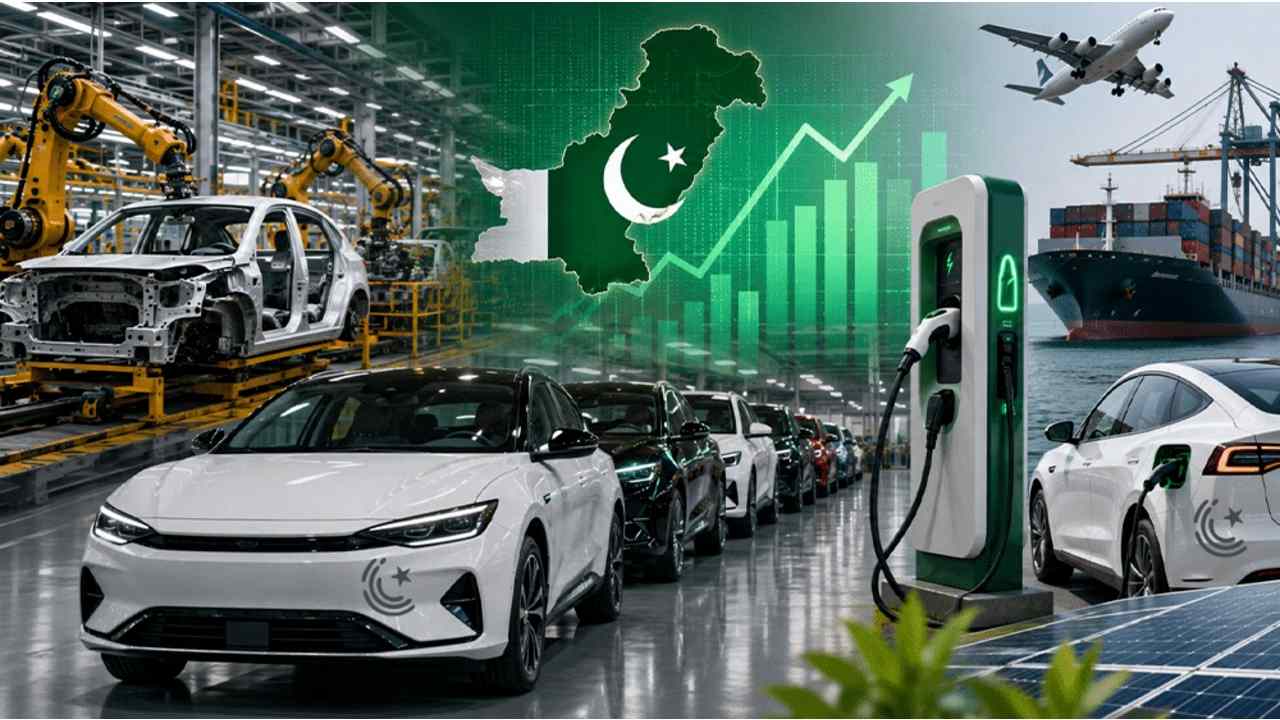
The Auto Industry Development and Export Policy (AIDEP) 2026–31 will replace the previous policy that expired on June 30. The framework aims to boost local manufacturing, promote electric vehicles (EVs), improve affordability and gradually liberalize trade.
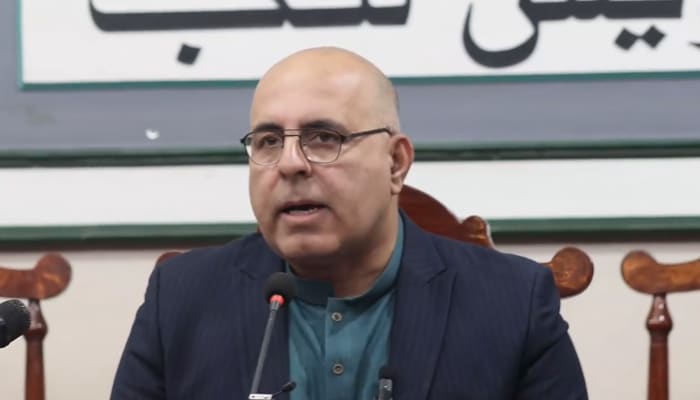
Officials say the draft has cleared one cabinet-level committee and is now undergoing final review before approval. Minister of State for Industries and Production Haroon Akhtar Khan said the policy was prepared after extensive consultations and denied reports that an earlier draft had been withdrawn.
“The draft was prepared after numerous meetings with the auto sector. Now it is going through the final steps before being rolled out,” Khan said, adding that the policy would make Pakistan a competitive manufacturing hub for automobiles and auto parts.
The main dispute revolves around tariffs. The government plans to gradually reduce import duties under its broader tariff reform agenda, while the Pakistan Association of Automotive Parts & Accessories Manufacturers (PAAPAM) argues that lower tariffs would expose local manufacturers to cheaper imports before structural issues are resolved.
PAAPAM Senior Vice Chairman Shehryar Qadir said the industry faces a 34 percent cost disadvantage compared with regional competitors due to imported raw materials, high energy prices, heavy taxation, elevated borrowing costs and low production volumes.
“They are proposing to reduce tariffs to 15 percent by 2031, but without addressing our 34 percent cost disadvantage, the industry will collapse,” Qadir said.
Manufacturers also say frequent policy changes have prevented them from achieving economies of scale and warn that continued uncertainty is delaying investment and technology upgrades.
Prime Minister’s spokesperson for foreign media, Mosharraf Zaidi, said two government committees are working to reconcile the interests of consumers, manufacturers and broader industrial policy before the framework is finalized.
Industry representatives, however, say they have yet to receive confirmation that the policy has been approved and are urging the government to finalize it quickly to restore investor confidence.
Analysts have also questioned tax incentives for EVs, arguing they mainly benefit wealthier consumers. Chase Securities research director Yousuf M. Farooq said lower-priced vehicles used by middle-income families receive little relief, while buyers of high-end electric vehicles enjoy significant concessions. He said environmental incentives should not disproportionately favor affluent consumers.