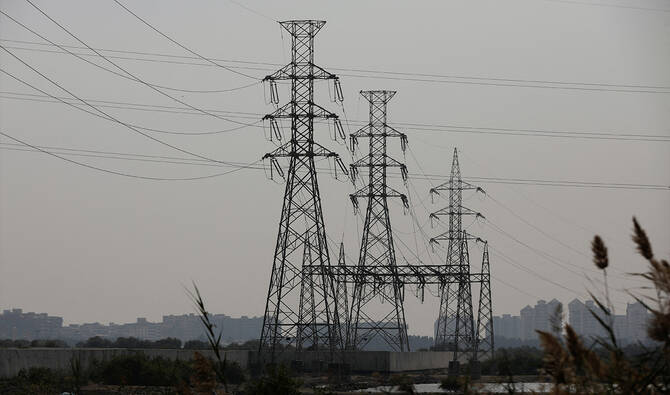
ISLAMABAD: Pakistan and Iran have agreed to extend their cross-border electricity supply pact for Balochistan. Pakistan’s energy ministry announced the decision on Tuesday. The tariff will stay between 7.7 and 11.45 cents per kilowatt-hour.
The pact dates to 2002. It supports energy security in southwestern Pakistan, where the national grid remains weak. Industry and households in the area face frequent power shortages. Coastal towns such as Gwadar and Mand rely on Iranian power because Pakistan’s main transmission network is still incomplete and local generation is low.
Iran now exports 100 megawatts of electricity to Gwadar under a March 2023 deal. Supplies could rise once new infrastructure comes online. In May 2023, Prime Minister Shehbaz Sharif and Iranian President Ebrahim Raisi opened the Polan–Gabd transmission line. The line can carry another 100 MW.
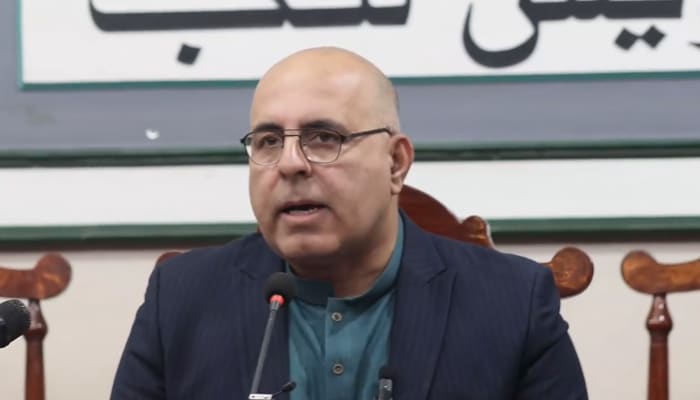
Energy ministry spokesperson Zafar Yab Khan confirmed the extension. He said officials had advanced the deal with Iran. He added that the revised pact would go to Pakistan’s Economic Coordination Committee.
The ECC met on Tuesday but did not take up the extension.
Power trade between the two countries has grown over two decades. Tariffs change periodically to reflect fuel costs and upgrades at the border. In August 2023, the ECC amended a separate contract that extends a 104-MW supply from Iran’s Jakigur district to Mand through December 2024.
Also Read: Corps Commander Balochistan Holds Special Session with University Students
Gwadar remains a key hub in the China–Pakistan Economic Corridor. It is likely to rely on imported power until new domestic lines are finished. Continued Iranian supply is vital for industries, port operations and households in the area.