ISLAMABAD: Pakistani travelers are facing rising airfares as airlines introduce fuel surcharges and flight disruptions increase due to soaring jet fuel prices and airspace complications linked to tensions in the Middle East, industry officials said this week.
Jet fuel prices in Pakistan have surged sharply this month, jumping from ₨188.93 to ₨342.32 per liter, according to media reports. The spike follows global oil market volatility and airspace disruptions triggered by ongoing military exchanges involving the United States, Israel, and Iran, along with retaliatory actions by Tehran in the Gulf region.
Industry experts note that aviation fuel typically accounts for around 30–40 percent of an airline’s operational expenses, meaning the recent price surge has significantly increased costs for carriers.
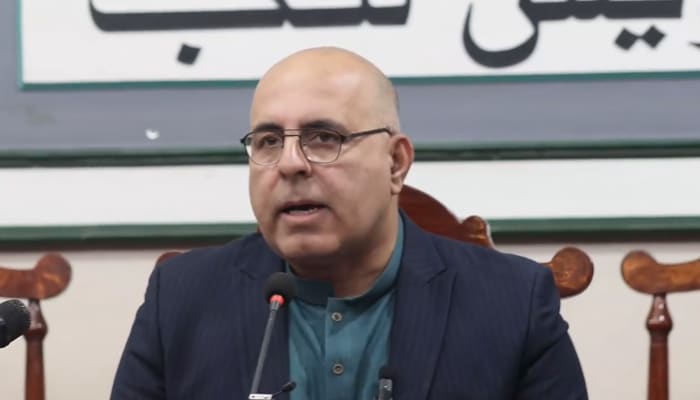
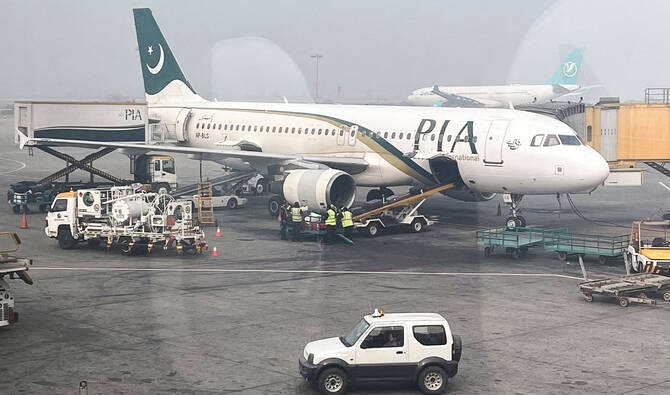
A spokesperson for Pakistan International Airlines (PIA), Abdullah Hafeez, said airlines have not officially increased base ticket prices but have introduced fuel surcharges to absorb the impact of higher aviation fuel costs.
“Airlines have imposed fuel surcharges ranging from $20 to $100 per leg on domestic and international routes to offset the rising jet fuel prices,” he said, adding that return tickets could now cost $40 to $200 more depending on the route and distance.
According to Hafeez, the decision was taken earlier this week following the sharp increase in aviation fuel prices.
For flights to Saudi Arabia, including destinations such as Riyadh, Dammam, Jeddah, and Madinah, airlines have added a fuel surcharge of about $50 per leg. Flights to London now carry a surcharge of around $75 per leg.
Travel agents say passengers are already feeling the effects as ticket prices climb and flight availability shrinks.
Muhammad Sajjad Bashir, a representative of Aroma Travels in Karachi, said fares across multiple airlines have increased after the Middle East crisis forced several carriers to reroute or suspend regional flights.
“The fuel price has gone up, while seat availability has also declined due to increased demand on the remaining open routes,” he said.
According to Bashir, nearly 80 flights from Pakistan to Gulf destinations — particularly the United Arab Emirates, Qatar, and Bahrain — are being canceled daily because of airspace disruptions.
“This situation has left passengers with fewer travel options, and the rising demand is pushing ticket prices higher,” he added.
Airfares on some UK-bound routes have surged dramatically, increasing from about Rs250,000 ($891) to as high as Rs1 million ($3,565). Meanwhile, ticket prices between Pakistan and Saudi Arabia have risen from roughly Rs125,000 ($445) to around Rs200,000 ($713).
Overall, airlines have increased fares by approximately Rs10,000 to Rs28,000 per ticket depending on the destination. Routes to the Middle East and Central Asia have seen hikes of about Rs15,000, while long-haul flights such as those to Toronto and Manchester have recorded increases of up to Rs28,000 per passenger.
A marketing official from a Saudi airline explained that airlines have not formally raised base fares but are selling seats across different booking classes. As cheaper fare categories sell out, passengers booking later are forced to purchase higher-priced tickets.
Also Read: Pakistan Expresses Solidarity with Oman, Urges Diplomacy
Currently, one-way fares from Pakistan to some Saudi destinations range between Rs87,000 and Rs88,000, while return tickets cost approximately Rs160,000 to Rs165,000, the official said.