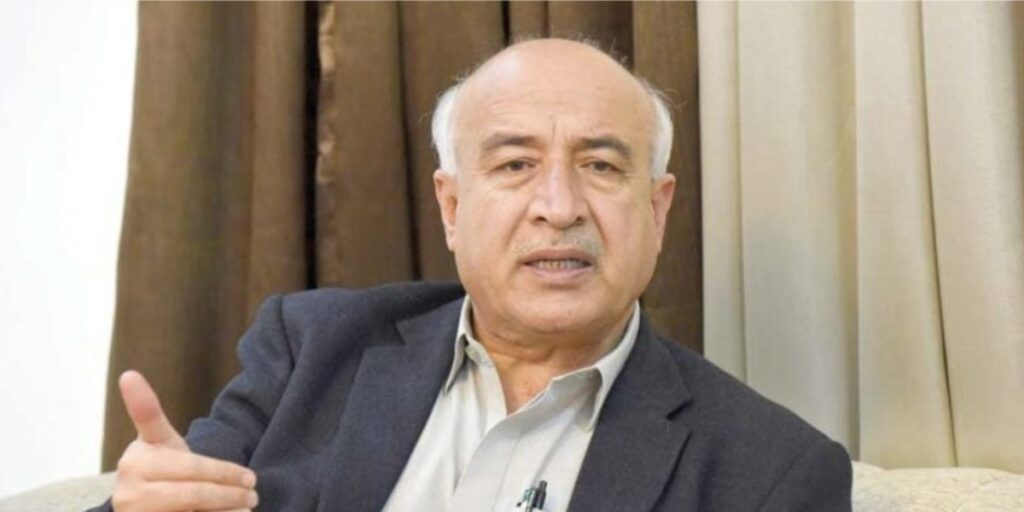
QUETTA: A large public gathering was held in Hazara Town under the auspices of the National Party (NP) on Sunday, rallying support for the upcoming local government elections and calling for provincial unity.
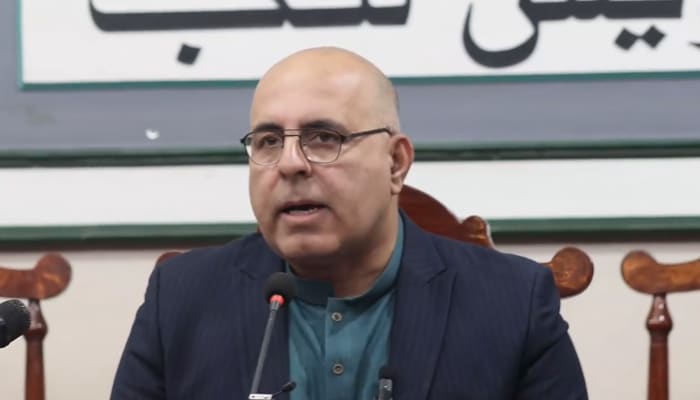
Senator Jan Muhammad Buledi, NP Provincial Chairman Aslam Baloch, and other senior leaders addressed the ceremony. Senator Buledi urged the Hazara community to widen its struggle by joining hands with other ethnic groups in Balochistan. He invoked the party’s legacy, stating, “On the platform of the National Party, all the nations… have struggled together,” and emphasized the NP’s current mission to unite all groups against oppression, tyranny, and exploitation.
Leaders acknowledged the specific challenges faced by the Hazara nation, including deprivation of representation. Senator Buledi asserted that while their rightful representation had been “snatched,” the National Party would champion their cause at every forum. “The National Party is also your national party,” he declared.
Provincial Chairman Aslam Baloch linked Balochistan’s underdevelopment and injustice to systemic issues, calling for a collective struggle. He lamented that residents of the resource-rich province are forced to seek employment abroad.
Another leader, Changez Hoti Baloch, detailed the everyday problems confronting the Hazara community—such as shortages of water, electricity, and gas, and bureaucratic hurdles in obtaining identity documents—and reiterated the party’s full support. The event served as both an election rally and a platform to promote inter-ethnic solidarity within the province.
Meanwhile the Finance Ministry on Sunday issued a clarification stating that the recently highlighted structural benchmarks under Pakistan’s International Monetary Fund (IMF) program are not new conditions but part of the pre-agreed, medium-term reform agenda.
The statement aimed to counter narratives describing the 11 structural targets as fresh demands. The MinIMistry emphasized these measures are based on reforms already initiated by the government and are being implemented in a phased manner to ensure sustainability and alignment with Pakistan’s economic priorities.