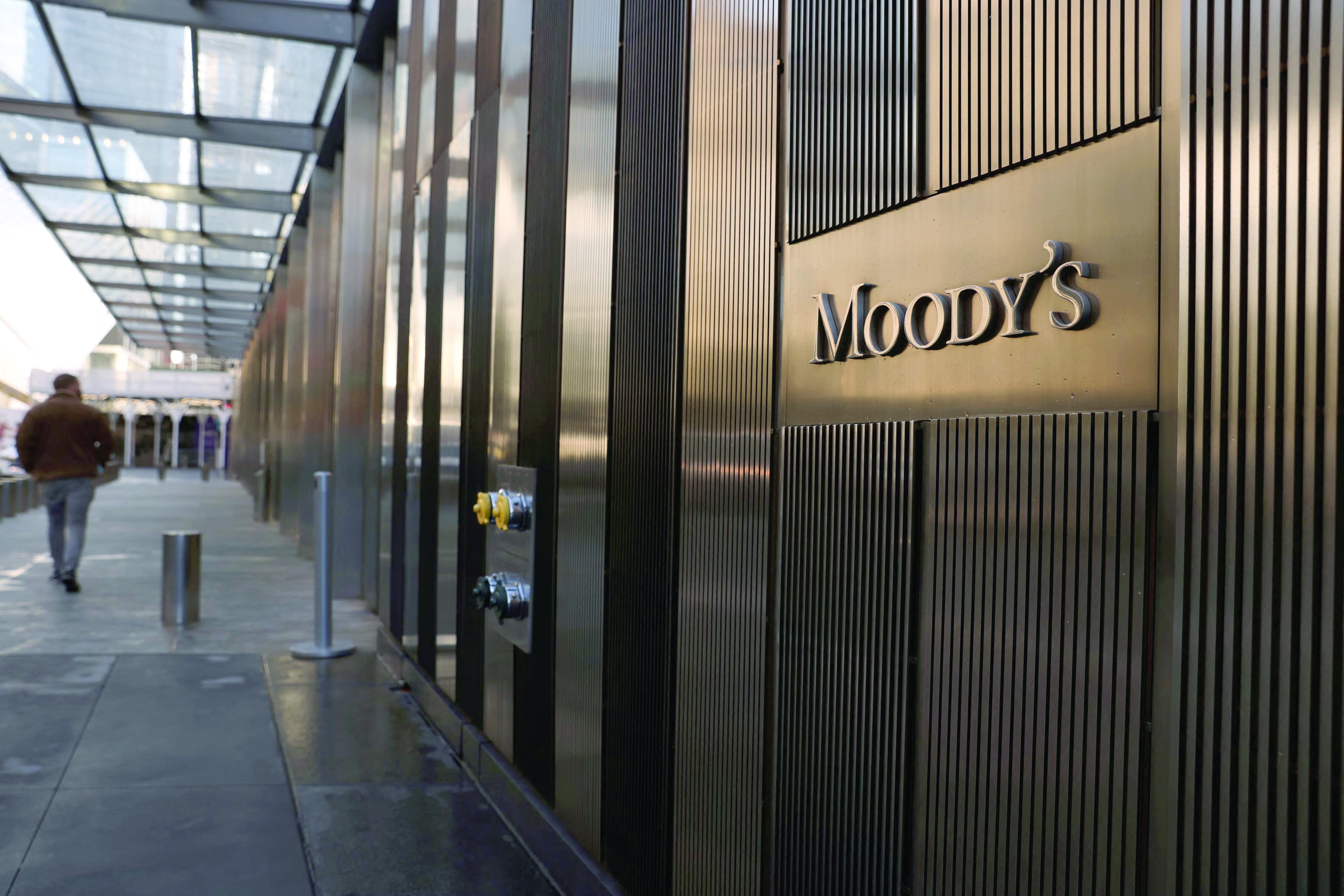
Pakistan’s banking sector has received a cautious signal of confidence from international credit rating agency Moody’s, but the move raises as many questions as it answers. Moody’s revised Pakistan’s banking sector outlook from “positive” to “stable,” citing gradual improvement in the country’s macroeconomic conditions.
Pakistan’s economy is showing early signs of stabilization after a prolonged period of stress. However, Moody’s focused on that the pace of recovery remains slow and uneven. Over the next 12 to 18 months, banks are expected to maintain stable performance rather than achieve strong growth, reflecting lingering structural and financial pressures.
One of the most pressing challenges mentioned in the report is the persistence of high interest rates. Elevated borrowing costs continue to weigh heavily on credit demand and asset quality, while credit risk pressures remain firmly in place.
The agency also identified the government’s ongoing fiscal difficulties as a major vulnerability for the banking sector. Pakistan’s banks maintain significant exposure to sovereign risk, making them highly sensitive to shifts in public finances and policy decisions.
Despite these concerns, Moody’s acknowledged that broader economic indicators have begun to stabilize. On this basis, the agency projected Pakistan’s gross domestic product (GDP) growth at 3.5 percent in 2026 a figure that signals recovery, but not acceleration.
However, the report also issued clear cautions. Risks related to external financing needs, inflation volatility, and policy implementation remain unresolved. Moody’s warned that delays or inconsistencies in economic reforms could quickly alter the current outlook, particularly for the banking system.