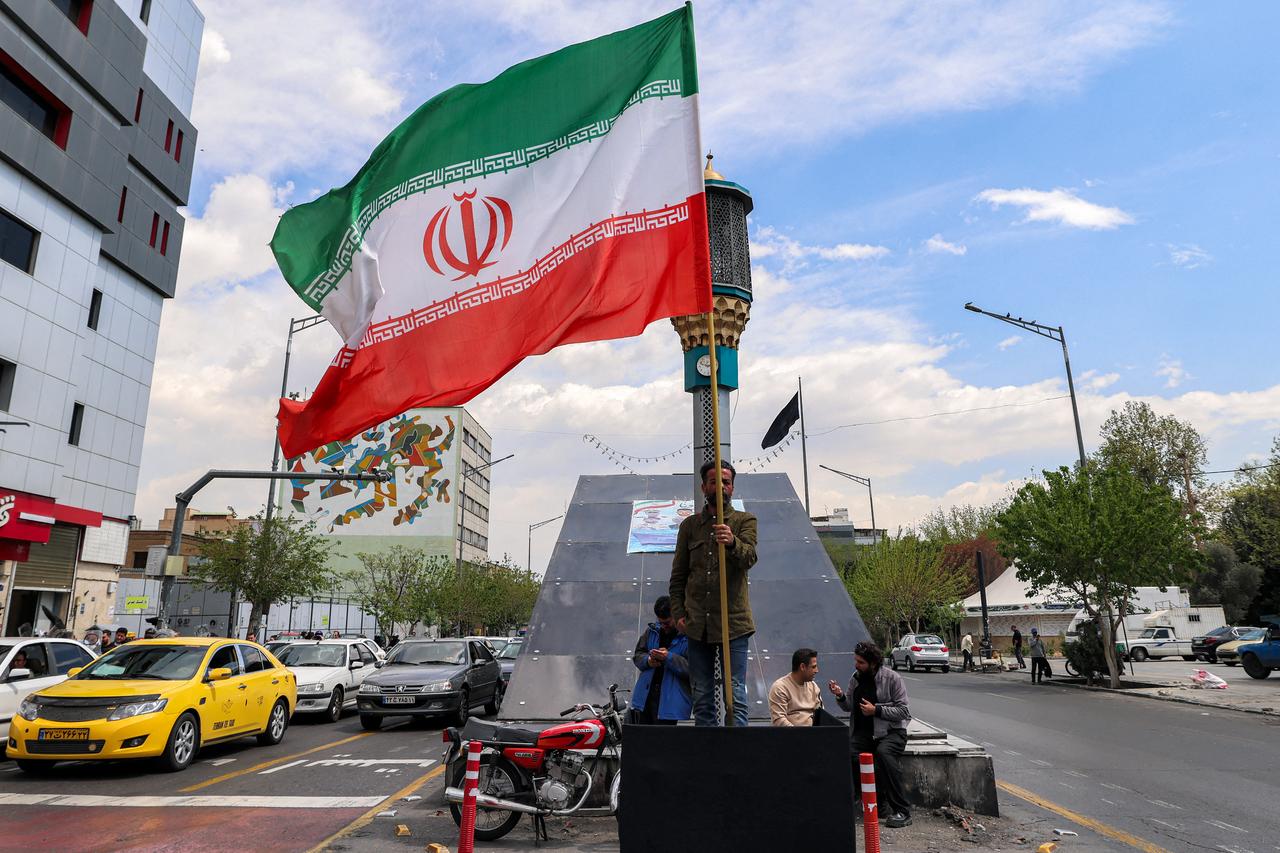
Iran has formally responded to a United States proposal aimed at ending ongoing hostilities in the region, rejecting calls for a temporary ceasefire and instead focusing on the need for a comprehensive and permanent resolution to the conflict.
In this regard, as per the IRNA, the response was conveyed through Pakistan, acting as an intermediary.
The Iranian proposal reportedly includes ten key clauses addressing broader regional stability. These provisions call for a complete cessation of conflicts, guarantees for safe navigation through the strategically vital Strait of Hormuz, the lifting of economic sanctions, and commitments toward post-war reconstruction.
In this sense, Iranian officials have underscored that these demands reflect a firm stance rather than a willingness to compromise.
The development comes amid escalating tensions following recent military exchanges. The United States, under President Donald Trump, had set a deadline for Iran to reopen the Strait of Hormuz, a critical passage through which approximately one-fifth of the world’s oil and natural gas supplies transit.
Meanwhile, the US administration warned of severe consequences should Tehran fail to comply. So far, President Trump acknowledged receiving Iran’s proposal but described it as insufficient. Speaking to reporters, he characterised the response as “a significant step” but reasserted that it did not meet US expectations.
The White House further indicated that the ceasefire proposal remains one of several options under consideration and has not been formally approved, while military operations continue.
Iran’s closure of the Strait of Hormuz earlier this year, in response to US and Israeli actions, has significantly impacted global energy markets, driving up oil prices and increasing economic uncertainty worldwide.