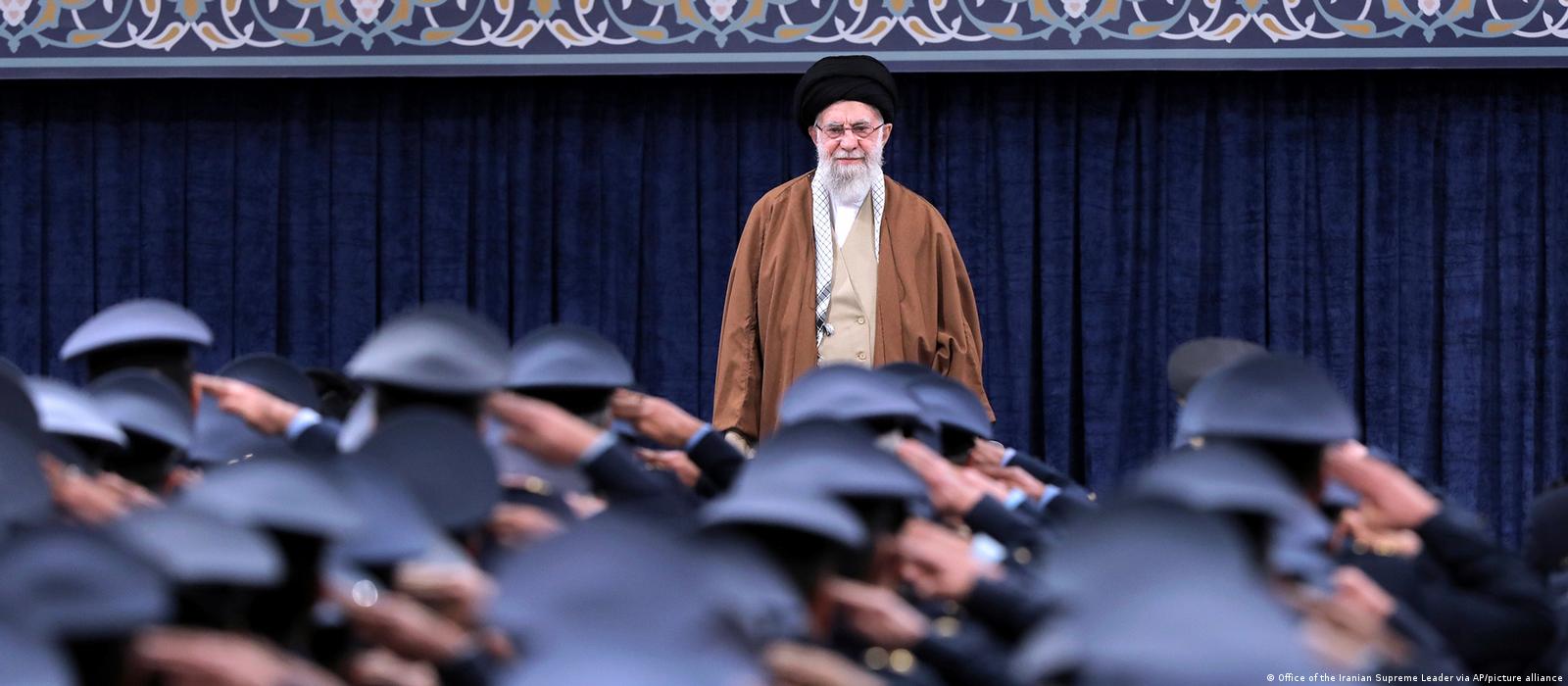
TEHRAN:Amid heightened regional tensions and fears of a potential U.S. military strike, unconfirmed reports from Iranian media suggest that Supreme Leader Ayatollah Ali Khamenei has been relocated to a heavily fortified, high-security underground bunker in Tehran.
According to these reports, the leader has been moved to a specialized complex featuring interconnected tunnels designed to withstand aerial assaults. This alleged precaution follows a period of escalating conflict, including direct Iranian-Israeli strikes and increased U.S. military posture in the region, which has fueled speculation about wider conflict. While Iranian officials have not officially confirmed the move, such measures would align with established security protocols for the nation’s top leadership during perceived existential threats.
Adding to the unverified claims, some reports state that Ayatollah Khamenei‘s third son, Masoud Khamenei, has temporarily assumed responsibilities for the day-to-day operations of his father’s office during this period. This purported move is seen by analysts as an emergency measure to ensure the continuity of the supreme leader’s critical administrative and clerical functions from a secure location. However, Iranian government spokespersons have officially denied that Masoud Khamenei is taking over any official duties, dismissing the narrative as baseless.
The reports surface at a time of significant strain. Iranian state media has recently been filled with warnings and military demonstrations, emphasizing the country’s readiness to defend itself against any attack. The alleged relocation of the 85-year-old leader underscores the severity with which Iranian authorities are treating the current geopolitical climate. If true, the move signifies a state of high alert within the Islamic Republic’s highest echelons, preparing for worst-case scenarios while publicly maintaining a stance of defiance and operational normalcy.