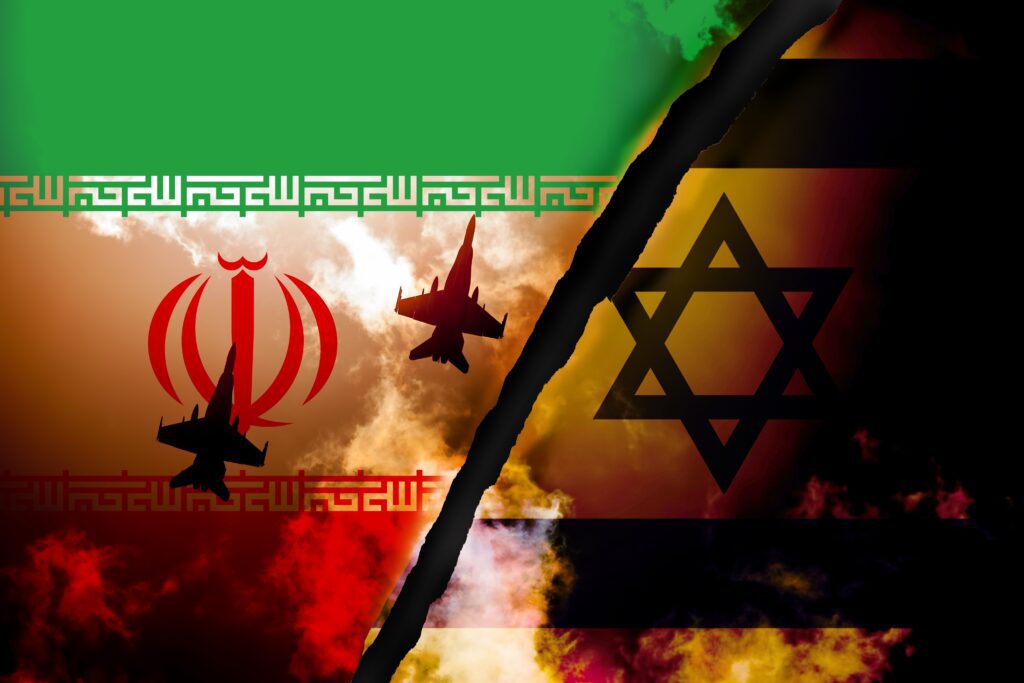
WASHINGTON: A recent report from a major American newspaper has claimed that arch-rivals Iran and Israel have reached a secret, mutual understanding to refrain from initiating direct military attacks against each other, potentially averting a broader regional conflict.
According to a detailed report in The Washington Post, the two adversaries exchanged confidential messages, facilitated by Russian intermediaries, which led to a consensus on de-escalation. The communication reportedly took place before the widespread anti-government protests began in Iran in late December of last year.
The report states that Israeli officials first communicated to the Iranian leadership through Russian channels. Their message was a conditional assurance: Israel would not take direct action against Iran if it was not attacked first by Tehran or its proxies. This was seen as an attempt to draw a clear red line and prevent a cycle of retaliation.
In response, Iranian officials allegedly sent a reciprocal message back via the same Russian conduit. They communicated that Iran would also refrain from launching any preemptive strikes against Israeli territory. This exchange, mediated by Moscow, effectively created a fragile, undeclared pact where both sides agreed not to be the first to attack.
While tensions between the two nations remain extraordinarily high, marked by shadow wars, cyber-attacks, and strikes on each other’s assets through proxies, this reported understanding aims to place a lid on the most dangerous scenario: a full-scale, direct military confrontation. Analysts suggest such a backchannel agreement, if accurate, explains the careful calibration of recent hostilities, where actions have been severe yet stopped short of triggering an all-out war. However, the durability of this tacit agreement is uncertain, as it remains unofficial and subject to the volatile dynamics of the region and each country’s domestic politics.