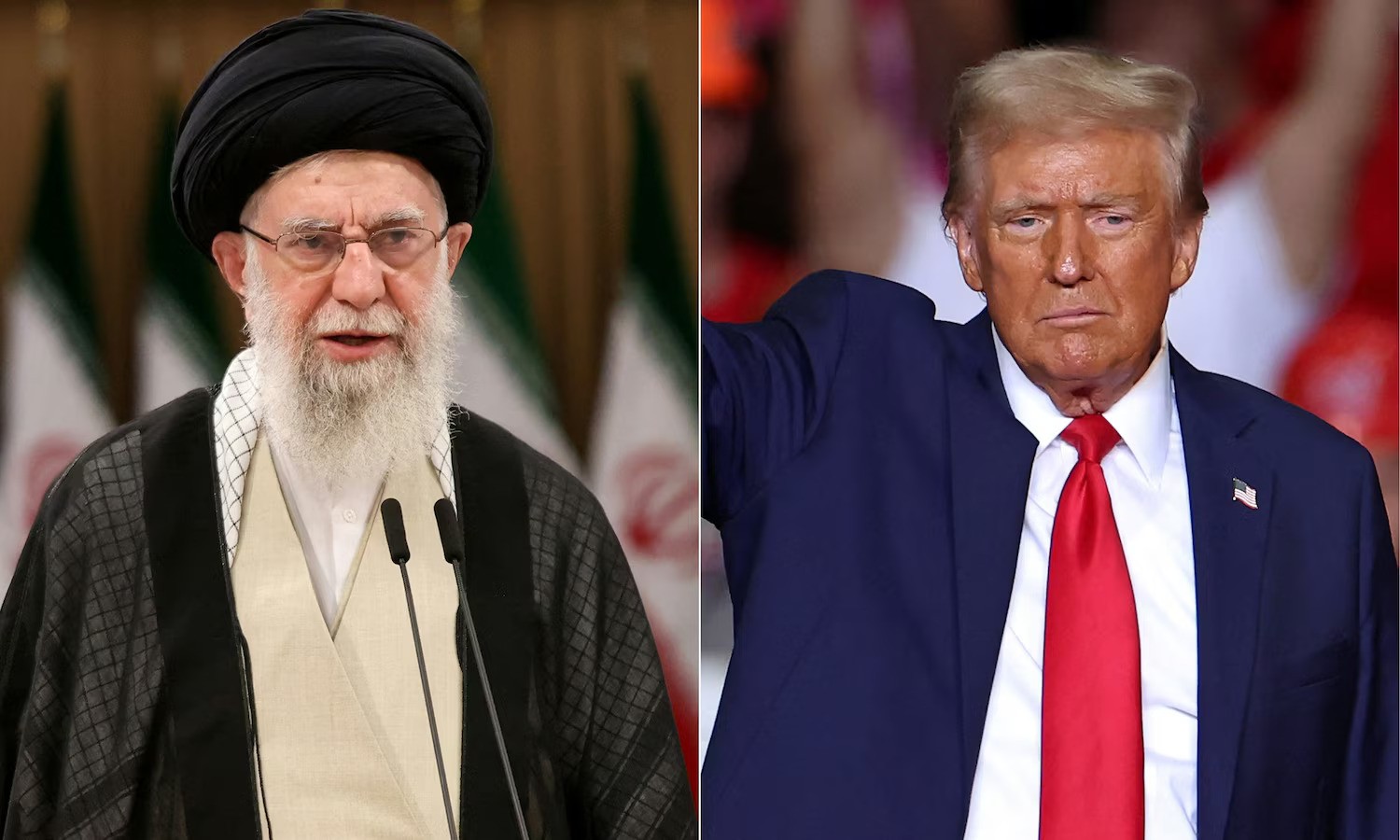
TEHRAN: In a definitive move to quell mounting speculations, Iran has confirmed that nuclear talks with the United States are proceeding as scheduled. Iranian Foreign Minister Abbas Araqchi took to social media to announce that the negotiations will convene in Muscat, Oman, this Friday. He expressed gratitude to “Omani brothers” for facilitating the necessary arrangements, highlighting Oman’s role as a traditional mediator in the region.
The confirmation comes after a period of uncertainty regarding the talks’ status. Initially set to take place in Turkey, Iran subsequently requested a change of venue to Oman, a move seen as leveraging Oman’s neutral diplomatic stance. This shift underscores the delicate diplomatic maneuvering characteristic of such high-stakes discussions. Araqchi’s statement explicitly puts to rest rumors that the talks had stalled, reaffirming both parties’ commitment to dialogue despite ongoing tensions.
Notably, Iran has articulated specific conditions for the talks. Alongside the venue change, Tehran has demanded the exclusion of regional partners from the negotiations and insists that discussions be strictly confined to nuclear issues. These demands highlight Iran’s focus on a bilateral framework and a narrow agenda, potentially aiming to avoid broader geopolitical pressures. As of now, no details have been disclosed regarding the U.S. response to these preconditions, leaving open questions about the talks’ scope.
The upcoming meeting in Muscat represents a critical juncture in efforts to revive the 2015 nuclear deal, known as the Joint Comprehensive Plan of Action (JCPOA). The deal, which limited Iran’s nuclear program in exchange for sanctions relief, has been in jeopardy since the U.S. withdrew in 2018. Previous rounds of indirect talks have faced numerous hurdles, including disagreements over sanctions lifting and nuclear compliance. The Omani venue, often a neutral ground for diplomatic engagements, may offer a conducive environment for progress, as it has in past negotiations.
Observers worldwide will be closely monitoring the outcomes, as the results could significantly impact regional stability and non-proliferation efforts. With the venue settled and talks confirmed, the focus now shifts to the negotiating table. Whether Iran’s demands are met and how both nations navigate the complex issues at hand will determine the path forward in this protracted diplomatic process, with implications for global security.