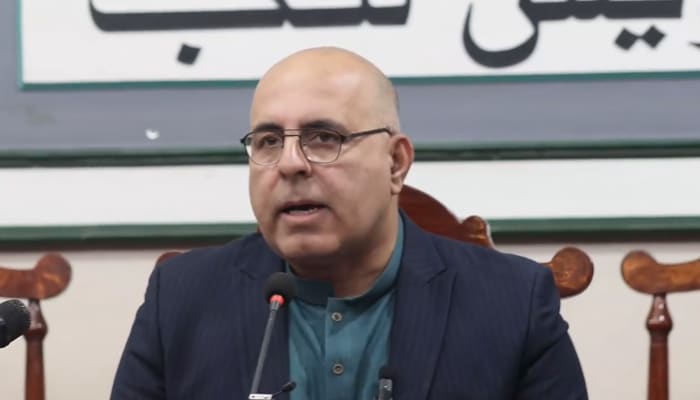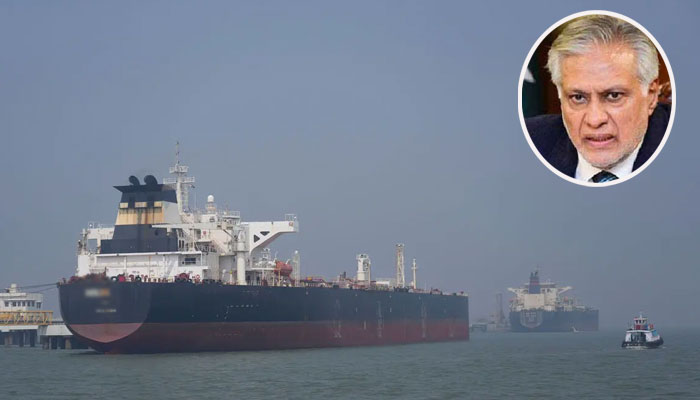
ISLAMABAD : Deputy Prime Minister and Foreign Minister Ishaq Dar announced on Sunday a significant diplomatic breakthrough with Iran, stating that Tehran has agreed to allow 20 additional Pakistani-flagged ships to transit through the strategic Strait of Hormuz.
In a series of posts on social media platform X, Dar characterized the development as a “great news” for regional stability, framing it as a direct result of constructive dialogue between the neighboring nations. He specified that under the new arrangement, two Pakistani ships will now cross the strait daily.
“This is a welcome and constructive gesture by Iran and deserves appreciation,” Dar wrote. “It is a harbinger of peace and will help usher in stability in the region.”
The Strait of Hormuz, a narrow waterway separating the Persian Gulf from the Gulf of Oman, is the world’s most critical chokepoint for oil and gas shipments. Securing reliable transit rights is a matter of significant economic and strategic importance for Pakistan.
In his announcement, the Deputy Prime Minister explicitly mentioned US Secretary of State Marco Rubio, US Vice President J.D. Vance, and Iranian Foreign Minister Seyed Abbas Araghchi. While the tweet did not detail the nature of the communications with the US officials, the mention suggested that the development was shared within the context of broader regional diplomatic engagements.
Dar emphasized that the agreement serves as a crucial confidence-building measure (CBM) between Islamabad and Tehran, signaling a mutual commitment to de-escalation and cooperation amidst a volatile regional landscape.
“This positive announcement marks a meaningful step toward peace and will strengthen our collective efforts in that direction,” Dar stated. “Dialogue, diplomacy, and such confidence-building measures are the only way forward.”
The development comes as Pakistan continues to balance its relations with neighboring Iran and its longstanding strategic partners in the West, with the government in Islamabad advocating for economic connectivity and regional stability through diplomatic engagement.