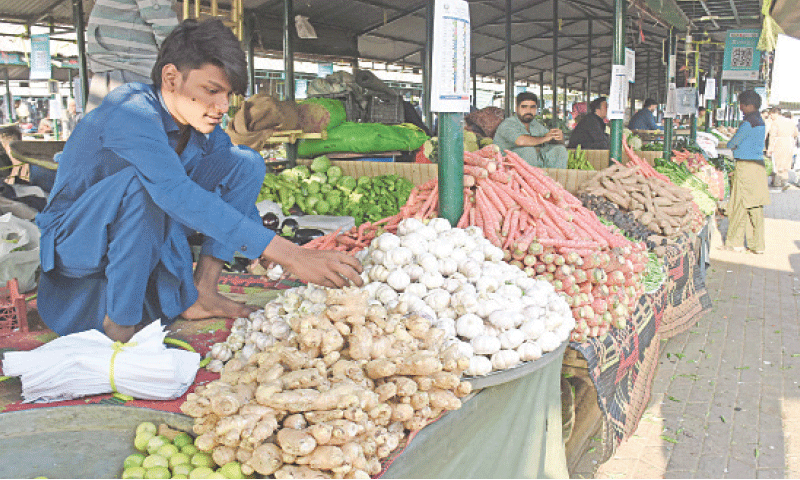
ISLAMABAD: The country prepares for the holy month of Ramadan, esfrh signs of inflation have begun to surface, raising concerns among households already struggling with rising living costs.
As per the official statistics, inflation recorded a 0.39 percent increase on a monthly basis, while the annual inflation rate reached 5.80 percent. The figures mention a mixed but worrying trend, particularly for essential food items that form a significant part of household expenditure during Ramadan.
The report shows that live broiler chicken prices surged sharply by 16 percent in January, marking one of the steepest increases among food commodities. In this regard, wheat prices rose by 10 percent, while tomatoes became 7 percent more expensive. Flour prices also increased by up to 4.8 percent, adding further strain on consumers.
In addition, the cost of fruits increased by 2.28 percent, while spices recorded a 2 percent rise. Meanwhile, the prices of fish, bakery items, mung lentils, dry fruits, powdered milk, and meat also showed upward movement, reflecting broad-based inflation across daily-use food products.
However, the data also presents a contrasting picture in certain segments of the market. During January, onions and potatoes became cheaper by 28 percent, while overall vegetable prices declined by 16.59 percent. So far, reduction was also recorded in the prices of sugar (down 9.6 percent) and eggs (down 6 percent), offering some temporary relief to consumers.
Furthermore, prices of chickpeas, lentils, jaggery, black gram, gram flour, and cigarettes also declined over the past month. Despite these reductions, economists caution that selective price drops may not be enough to offset the rising cost of essential staples.
The average inflation rate from July 2025 to January 2026 stood at 5.24 percent, underscoring persistent price pressures throughout the fiscal year.