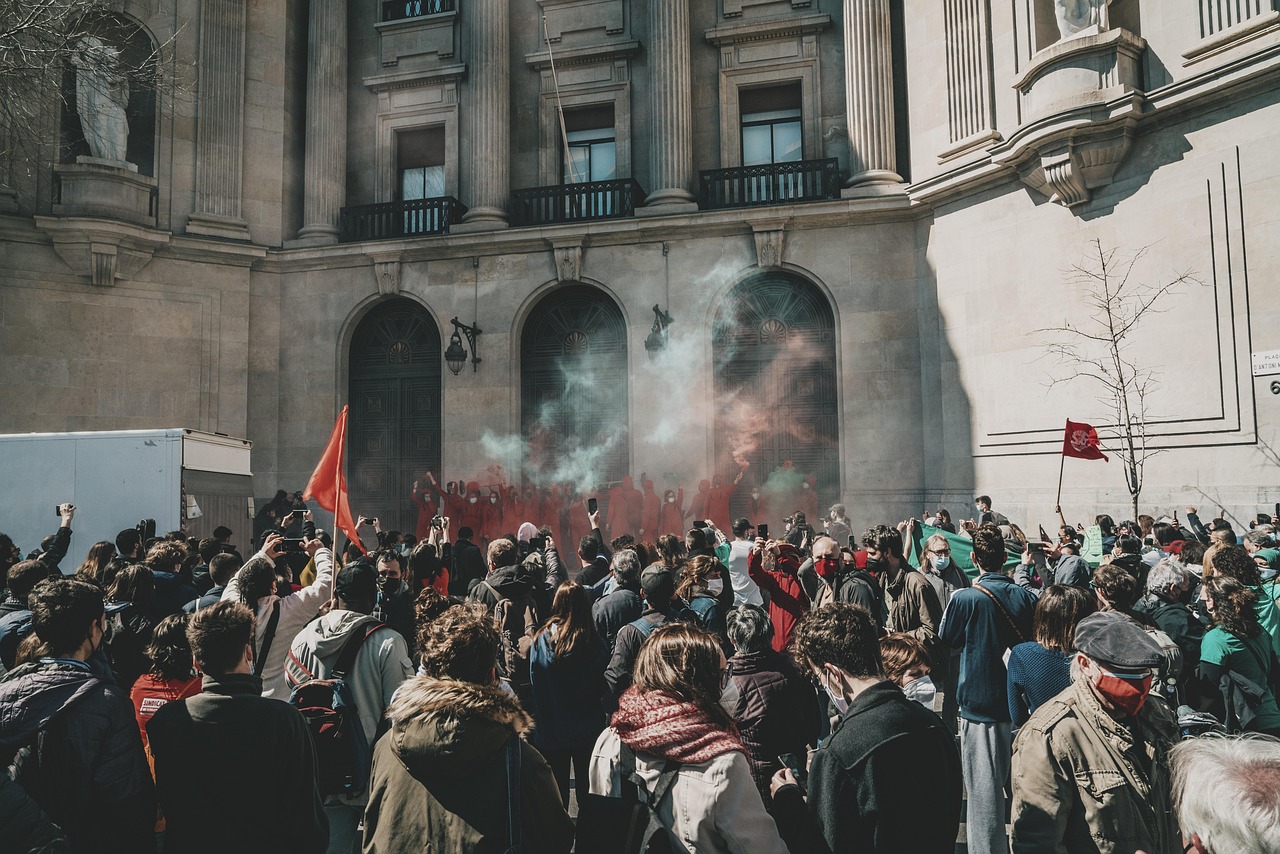
TEHRAN: Violent protests sparked by a severe economic crisis have erupted across Iran, resulting in at least six fatalities. The unrest, which began in the capital Tehran over rapidly rising inflation and the plummeting value of the Iranian rial, has now spread to cities including Lorestan, Fasa, and Azna.
Demonstrations escalated into clashes with security forces. Protesters reportedly stormed government buildings and attempted to set fire to police stations in several locations. In response, police used aerial fire, rubber bullets, and tear gas to disperse the crowds.
According to state-affiliated Iranian media, the deadly violence claimed the lives of five protesters and one security officer, with numerous others injured. Authorities have made multiple arrests in connection with what they have termed “riots.”
The protests are a direct response to a deepening economic catastrophe, fueled heavily by stringent Western sanctions. These sanctions have precipitated a continuous fall in the rial’s value, sending the prices of basic goods soaring and crippling household purchasing power.
The widespread nature of the unrest, moving from the capital to provincial cities, underscores the depth of public frustration with the economic hardship. The government now faces the dual challenge of managing a spiraling currency crisis and containing public anger that has turned increasingly confrontational.
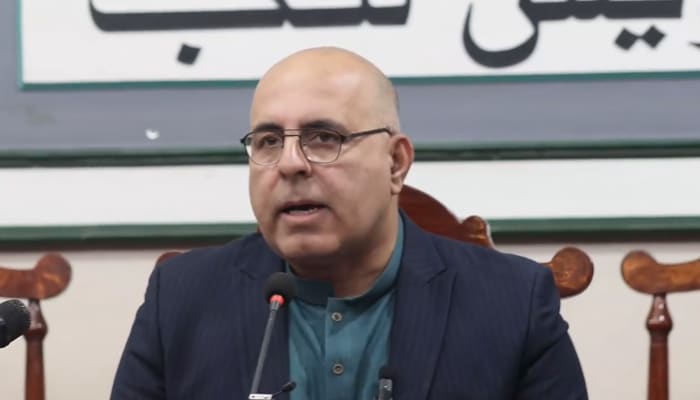
Meanwhile the Federal Commerce Secretary Jawad Paul pledged to address the challenges faced by traders in Balochistan and nationwide, aiming to boost Pakistan’s exports to Rs. 60 billion under Prime Minister Shahbaz Sharif’s vision.
The commitment came during a landmark virtual consultation session with the Quetta Balochistan Chamber of Commerce and Industry (QBCCI). The forum highlighted Balochistan’s untapped potential in minerals, fruits, vegetables, olive oil, and meat, stressing the urgent need for value addition and modernization of production sectors.
QBCCI office-bearers, including President Haji Muhammad Ayub Mariani, pinpointed critical infrastructure bottlenecks. They reported that exports of kinnow and potatoes to Central Asia are severely hampered by congestion and limited operating hours at the Iran border.