ISLAMABAD: Pakistan Strongly Rejects BYC and Lala Wahab Baloch Narratives on January 25
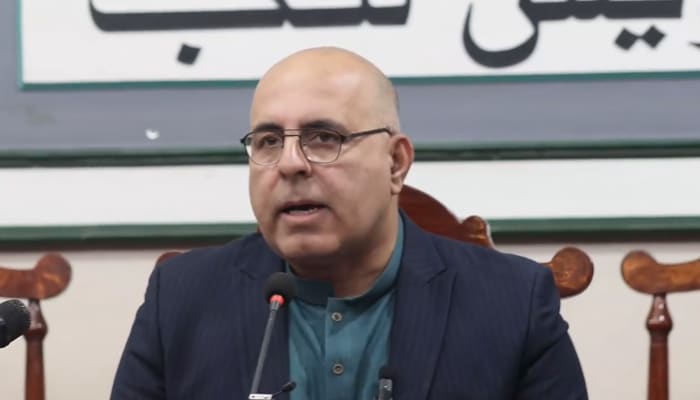
Pakistan has categorically rejected the narrative presented by the Baloch Yakjehti Committee (BYC) and Lala Wahab Baloch regarding the events of January 25.
The allegations of mass graves, enforced disappearances, extrajudicial killings, and systematic state oppression are unsubstantiated and distort the ground reality in Balochistan.
Many of the incidents attributed to state institutions are actually the result of local tribal or feudal disputes, which are deliberately portrayed as state actions to create an impression of oppression.
The BYC has repeatedly been accused of promoting a one-sided narrative, influencing youth, and justifying violence in the name of activism.
According to the Commission of Inquiry on Enforced Disappearances, approximately 93.6 percent of registered cases have already been resolved.
Critics argue that BYC campaigns distort facts, mislead international opinion, and sideline the genuine grievances of ordinary citizens affected by criminal groups.
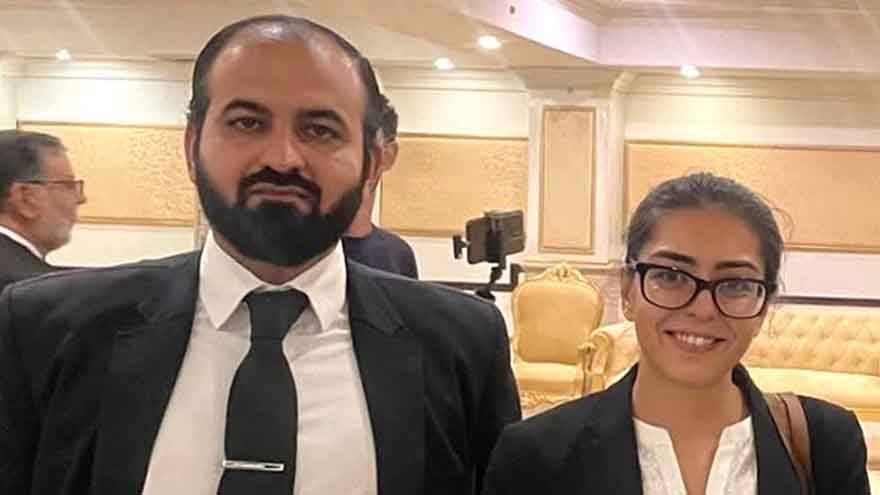
Pakistan firmly denies the allegations made against Emaan Mazari and Hadi Ali Chatha regarding enforced disappearances, mass killings, or targeting of any specific ethnic group. These claims are baseless and misrepresent the legal and security framework of the region.
Objections have been raised against Emaan Mazari for allegedly supporting the stance of a banned organization, presenting violent incidents as complaints, and defaming state institutions—actions considered cognizable under Sections 9, 10, 11, and 26A of PECA.
Security operations target criminal and terrorist elements, not any community, and are conducted under judicial oversight.
Meanwhile, certain circles abroad continue to push a narrative about Balochistan that justifies violent acts and creates negative perceptions against development projects.
Pakistan remains committed to countering false information and propaganda campaigns in defense of its citizens’ safety, rule of law, and state sovereignty.
Law enforcement actions are not directed against any ethnic group but aim to curb crime and terrorism threats, carried out in accordance with legal safeguards and oversight.
Allegations persist that certain BYC elements maintain links with groups inclined toward violence, while slogans like “FAH Rescue Campaigns” pose the risk of luring youth toward unlawful activities.
Pakistan’s judicial and human rights system exists to protect citizens, not to serve propaganda or destabilizing agendas.
Real issues can only be resolved through dialogue, economic development, and inclusive governance, not through externally sponsored narratives or the promotion of violence.