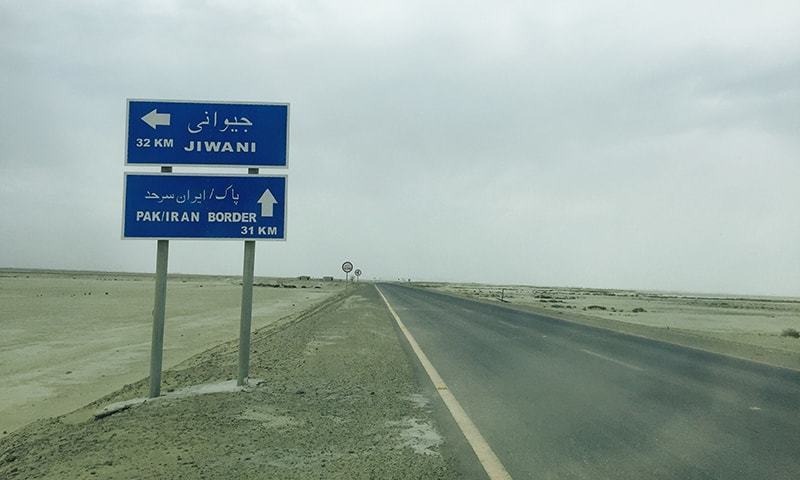
ISLAMABAD: The Pakistan Coast Guards have apprehended 123 individuals attempting to cross the border illegally during operations in the Jiwani area of Balochistan.
According to officials, the arrests were made over the past two months.
The detained persons, who include foreigners, were trying to travel to and from Iran without any valid travel documents or permits.
These individuals were crossing the border unlawfully in both directions, entering Pakistan from Iran or exiting towards Iran.
Following preliminary investigations, all the arrested migrants have been handed over to the Federal Investigation Agency (FIA) for further legal action.
Illegal border crossings between Pakistan and Iran primarily occur in the Balochistan region, including areas such as Jiwani, Taftan, and Mashkhel.
These movements are bidirectional, with some individuals, often Pakistanis, attempting to enter Iran without documentation, while others, frequently Afghans or foreigners, cross into Pakistan from Iran.
As of December 2025, Pakistan Coast Guards arrested 123 illegal migrants over the past two months in Jiwani, Balochistan.
The detainees, including foreigners, lacked valid travel documents and were traveling unlawfully in both directions.
They were subsequently handed over to the Federal Investigation Agency (FIA) for further proceedings.
Similar operations throughout 2025 have resulted in arrests of individuals attempting sea routes from coastal areas like Jiwani to Iran, as part of ongoing efforts to combat human smuggling.
Many attempt these crossings in search of economic opportunities, as Pakistani laborers from low-income regions seek employment in Iran or use it as a transit route toward Europe or the Gulf states.
Additionally, transit migration involves Afghans and others escaping instability, poverty, or deportation risks, often routing through the Pakistan-Iran border.
Restrictive visa policies and limited legal migration options push people toward smugglers.
Such journeys carry significant dangers, including physical hazards from harsh, remote terrain that can cause exhaustion, dehydration, or accidents, with sea attempts risking drowning.
Migrants frequently face exploitation by smugglers, paying substantial fees and encountering abandonment or coercion, as networks exploit the porous border in Balochistan.
Violence is also a risk, from armed groups, robbery, or forceful responses by border authorities, with reports of Iranian forces using lethal measures against undocumented entrants.
Upon arrest, individuals face detention, fines, prosecution, or deportation, sometimes without full legal process.
In Pakistan, these activities violate immigration laws and the Prevention of Smuggling of Migrants Act, 2018, leading to arrests and FIA involvement.
Iran has stepped up deportations of undocumented migrants in recent years, often citing security issues, alongside enhanced border measures like fencing and closures amid regional tensions.
Authorities from both nations emphasize the importance of legal travel channels to prevent these life-threatening risks and to disrupt organized smuggling operations.