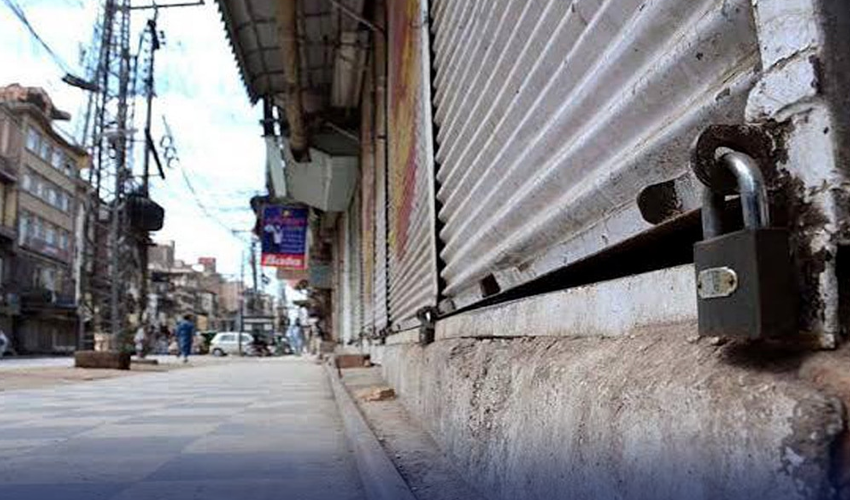
The federal government decided not to impose a nationwide smart lockdown following opposition from provincial governments.
Prime Minister Shehbaz Sharif held a key meeting with the president at the Aiwan-e-Sadr, attended by senior political and security leadership. Participants included Deputy Prime Minister Ishaq Dar, former foreign minister Bilawal Bhutto Zardari, Interior Minister Mohsin Naqvi, and National Security Adviser Lieutenant General Asim Malik.
The meeting focused on the overall national security situation, evolving regional dynamics, and their potential implications for Pakistan.
However, the chief ministers of all four provinces opposed the move, leading to a consensus decision against its implementation.
These measures include expenditure cuts, reductions in the development budget, and an immediate halt to 60 percent of government vehicle usage.
President Asif Ali Zardari focused on ensuring that the economically vulnerable segments of society would not be left unsupported during challenging times.
He directed authorities to ensure coordinated decision-making and strengthen alignment across sectors including economy, energy, food security, and national security.
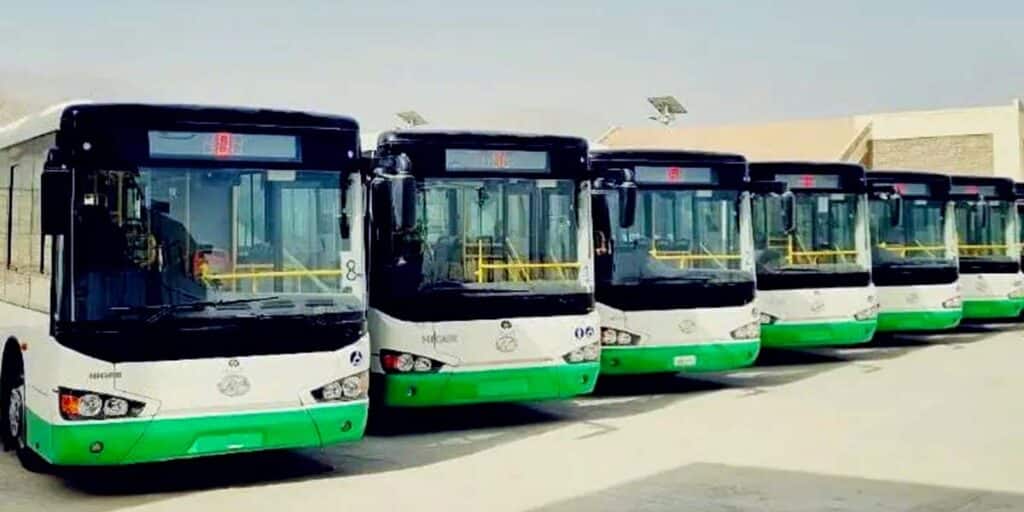
The president also called for a nationwide public awareness campaign to promote fuel conservation, increased use of public transport, and carpooling.
He stressed the need to mitigate inflationary pressures, particularly in essential commodities and basic services, amid rising energy costs and regional uncertainties.
The meeting was attended by provincial leadership, including Chief Ministers from Punjab, Sindh, Khyber Pakhtunkhwa, and Balochistan, as well as representatives from Gilgit-Baltistan and Azad Jammu and Kashmir.