ISLAMABAD: A sharp decline in global oil prices has been observed following the recent ceasefire between the United States and Iran. Spillover effects are expected to reach import-dependent countries, including Pakistan.
A drop of around 15–20% in crude oil prices has been recorded in international markets. Prices have fallen below $100 per barrel, according to market estimates.
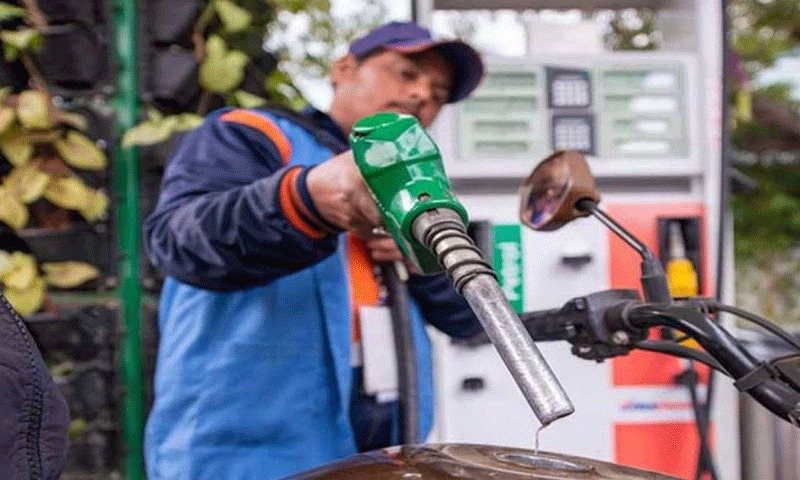
A reduction of Rs30 to Rs60 per litre in petroleum prices is being anticipated in Pakistan. A petroleum levy of Rs80 per litre is currently being charged on petrol.
Instructions have been issued by Shehbaz Sharif to relevant ministries to ensure that the benefit of lower global prices is passed on to consumers. Deliberations have been initiated by the finance and petroleum ministries on possible price cuts.
A review of global crude trends is expected to be conducted over the next two days. A revised pricing announcement is likely to follow.
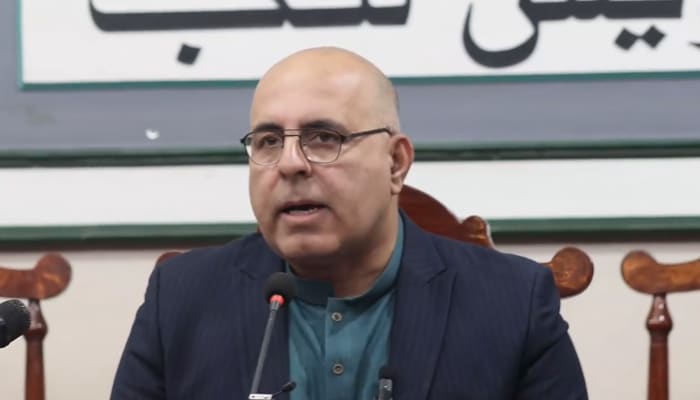
It was stated by economist Khakan Najeeb that the impact of global price reductions would not be immediate. A lag of one to two weeks was indicated due to existing stock levels and supply chain adjustments.
It was further noted that the extent of relief would depend on adjustments in the petroleum levy. Gradual relief for consumers was considered more likely.
Economic analyst Mehtab Haider said that, in principle, lower global prices should lead to immediate domestic reductions. However, a full pass-through may take four to six weeks.
It was recalled that petrol prices had earlier been increased by up to Rs55 under a pricing formula, despite older stock levels. It was suggested that the same formula should now be applied to provide relief.
It was emphasized that even if the full reduction is not passed on immediately, a signal of declining prices should be given to consumers. Upcoming price revisions, typically announced later in the week, are expected to reflect initial reductions.
A balanced approach toward petroleum levy adjustments was also recommended to maximize public relief.
According to senior economic reporter Shoaib Nizami, oil prices have fallen rapidly after the ceasefire announcement. Effects are expected to emerge in Pakistan within days, with potential cuts of 15–20% in petroleum prices.
Earlier, Prime Minister Shehbaz Sharif had announced a significant reduction in petrol prices on April 3, with a commitment to pass on further relief if global prices declined.
Also Read: China Welcomes US-Iran Ceasefire, Praises Pakistan’s Mediation Role
However, constraints remain due to pressure from the International Monetary Fund, which has emphasized limiting subsidies. A reduction of Rs100 billion in the development budget has been made to provide Rs129 billion in subsidies, raising concerns over potential impacts on economic growth.