QUETTA: A severe wheat flour shortage has gripped Balochistan, sending prices sharply higher and leaving both consumers and mill owners alarmed. Market sources report that over the past two weeks, the price of a 20-kg bag of flour in Quetta has jumped by 30 to 50 rupees.
The 20-kg bag now sells for 2,450–2,500 rupees, up from 2,400 rupees. A 50-kg bag has risen from 6,000 to 6,500 rupees, while a 100-kg bag now exceeds 12,000 rupees. The spike has sparked widespread concern among residents.
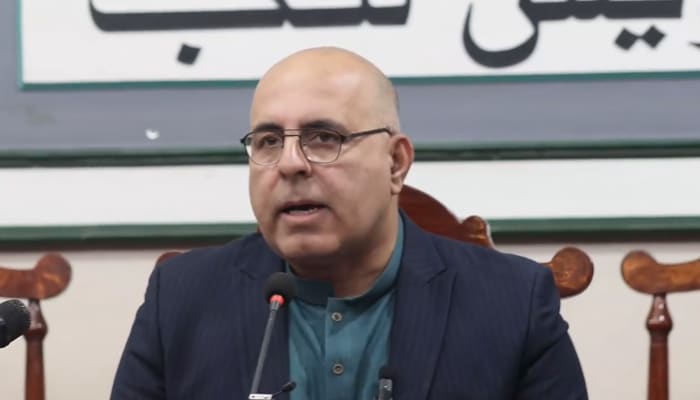
Badruddin, chairman of the Pakistan Flour Mills Association said that wheat and flour delivery networks have been effectively restricted. This has intensified shortages nationwide, especially in Balochistan and Khyber Pakhtunkhwa.
In Khyber Pakhtunkhwa, daily demand is around 110,000 bags, but Punjab is supplying only 20,000 bags per day under permit. The shortfall has pushed 100-kg flour prices in Peshawar to 12,600 rupees. Punjab has fixed the official price at 11,000 rupees per 100 kg, creating a stark price gap between provinces.
Sindh and Balochistan
Sindh is attempting to supply flour from its government wheat reserves. Mills receive government wheat at about 9,000 rupees per 100 kg. However, Balochistan is the hardest hit. The province depends heavily on other regions to meet its annual wheat needs.
According to Badruddin, Balochistan requires roughly 1.8 million tons of wheat annually. Local production covers only part of this demand. During harvest season, the province produces some flour locally, but for the rest of the year, it relies on wheat shipments from Punjab and Sindh.
Movement Restrictions Exacerbate Prices
Restrictions on inter-provincial transport have severely disrupted supply. Flour prices in Balochistan, including Quetta, have soared. In some areas, 100-kg bags now sell for 18,000 rupees. Over the past ten days alone, prices have risen 20 rupees per kilo. Retailers in Quetta report that 20-kg bags now exceed 2,500 rupees, with mills charging even higher rates.
The Flour Mills Association says Punjab claims responsibility for national food security but prioritizes its provincial needs. Experts note that Article 151 of Pakistan’s Constitution guarantees the free movement of essential goods across provinces. In practice, restrictions are being imposed, violating constitutional mandates.
Political Implications
Analysts warn that supply restrictions may serve political purposes, creating pressure on certain provinces. Balochistan, already struggling with poverty and inflation, is facing heightened public stress.
Also Read: Quetta faces deepening flour crisis as 20kg bag surpasses Rs. 2,500
Experts argue that timely federal intervention could stabilize the situation by ensuring unrestricted wheat movement. Without it, flour shortages may worsen across Balochistan and other affected provinces, hitting ordinary citizens hardest.