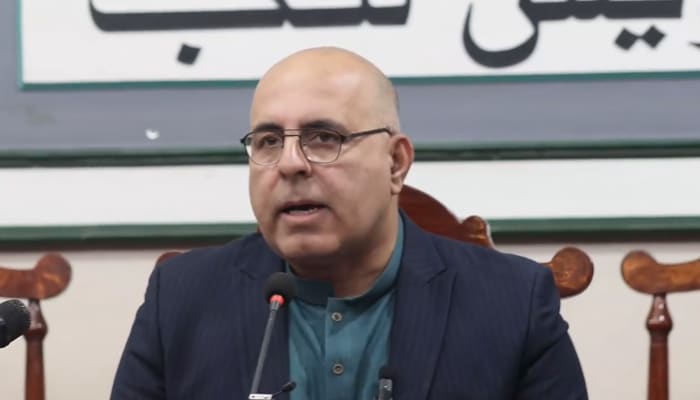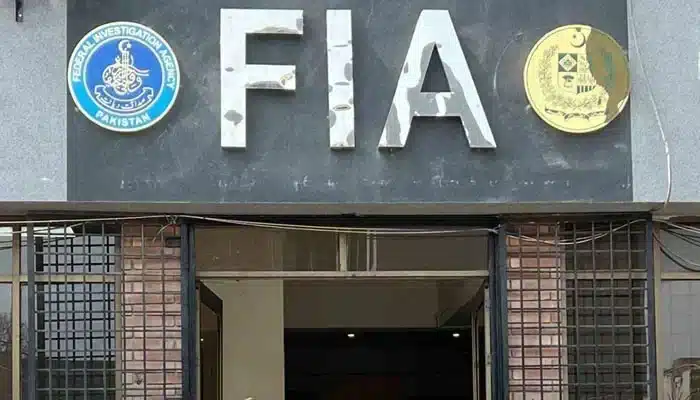
QUETTA: Director General of the Federal Investigation Agency (FIA), Rafat Mukhtar, has directed a sustained and effective crackdown against organized crime networks involved in human trafficking, illegal currency exchange (hawala hundi), and electricity theft, emphasizing that such crimes severely harm the national economy.
The directives were issued during the DG’s visit to the FIA Zonal Office in Balochistan on Friday. While reviewing administrative and investigative matters, DG Mukhtar was given a detailed briefing by Director Bahram Khan on the zone’s annual performance, which showcased significant enforcement actions.
According to the briefing, the Balochistan Zone registered 89 cases related to hawala hundi and illegal currency exchange this year, arresting 112 suspects. Recoveries included 45,730 US dollars, foreign currency worth over 190 million Pakistani rupees, and 46.7 million rupees in local currency. In the fight against human smuggling, 409 cases were registered, leading to the arrest of 3,567 individuals for illegal border crossing and 39 identified human smugglers.
Furthermore, the zone conducted 4,771 raids against electricity theft, recovering more than 56.7 million rupees.
Appreciating the performance, DG Rafat Mukhtar awarded certificates of appreciation to the best-performing officers. He stressed that actions against these economic and human trafficking crimes must continue unabated to bring the accused to justice.
Seeking further improvement, the DG FIA asked for a concrete plan to enhance the operational performance of the Balochistan Zone and requested a comprehensive report for the upgradation of logistical facilities to bolster the agency’s effectiveness in the region.
Meanwhile on Universal Health Coverage Day, Balochistan’s Provincial Health Minister, Bakht Muhammad Kakar, declared that providing equal healthcare access to every citizen is both a pressing necessity and a collective responsibility, outlining sweeping reforms to revitalize the province’s long-neglected health sector.
Under the directives of Chief Minister Mir Sarfaraz Bugti, the government is implementing “fundamental and lasting reforms” to build a modern, reliable, and quality health system.