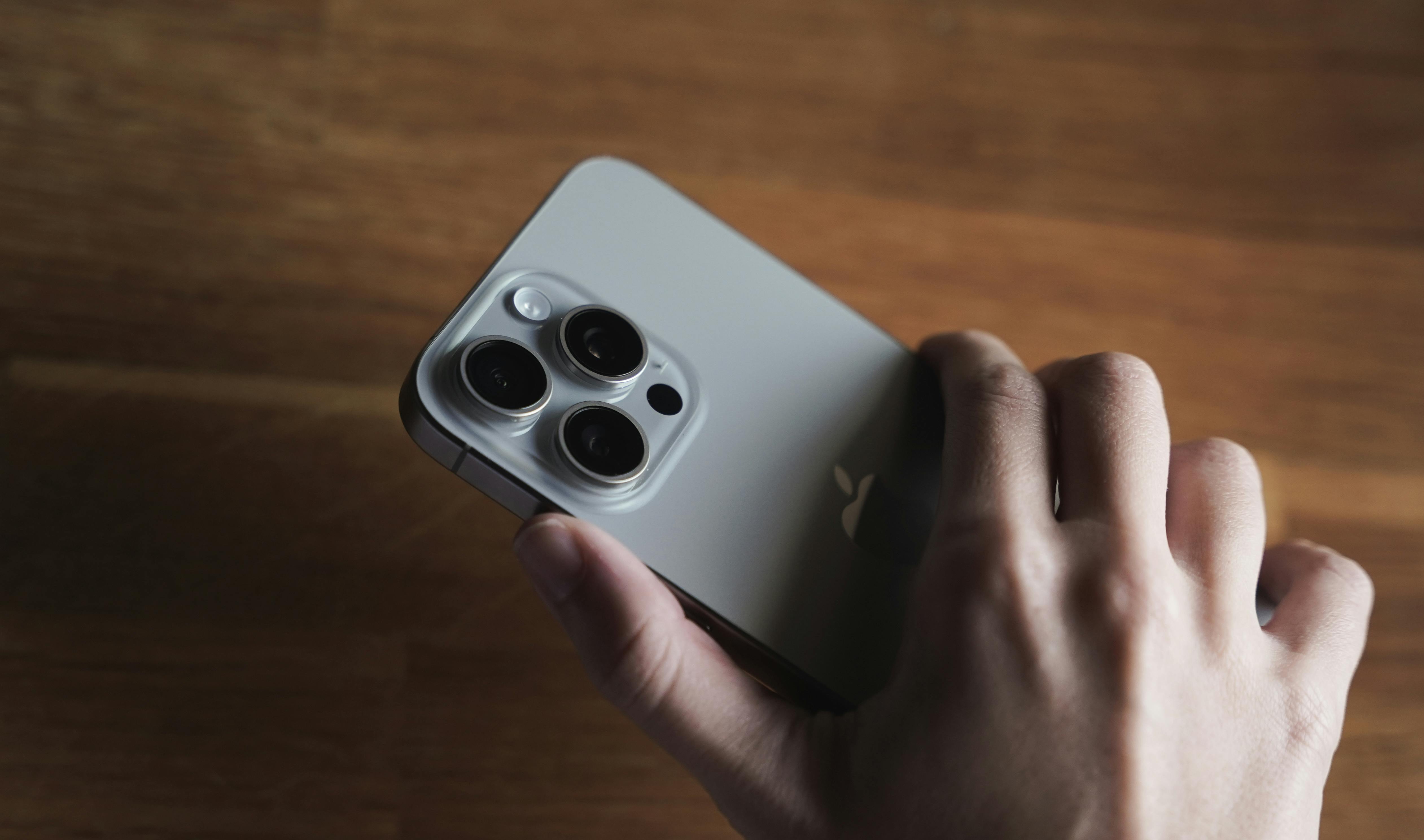
ISLAMABAD: In a move that deals a blow to efforts aimed at accelerating the adoption of next-generation cellular technology, the Federal Board of Revenue (FBR) has formally rejected a proposal for the immediate reduction of taxes on imported mobile phones. The decision leaves a key demand of telecom operators and the IT ministry unmet, potentially hampering the rollout of 5G services in the country.
According to official sources, no progress has been made on the critical issue of tax reduction, a measure seen as essential to address the shortage of 5G-compatible handsets in the market. The Ministry of Information Technology and the Pakistan Telecommunication Authority (PTA) had both backed the telecom industry’s plea for tax relief, arguing that high duties make advanced phones prohibitively expensive for most consumers, creating a major barrier to 5G readiness.
However, during recent discussions, the FBR turned down the proposal for immediate action. The revenue authority is reportedly concerned that any such tax concession would negatively impact the government’s overall tax collection targets. The FBR’s stance underscores the ongoing tension between strategic technological advancement and fiscal consolidation.
The rejection also means that a major point of contention remains unresolved in the policy framework for telecommunications. Notably, the recently issued 5G Spectrum Auction Policy Directive failed to provide any clear assurance or roadmap for reducing the tax burden on mobile devices, a gap highlighted by industry stakeholders.
While shutting the door on immediate relief, the FBR has indicated a willingness to revisit the tax structure on mobile phones during the formulation of the upcoming federal budget. This suggests that the issue may be deferred for a future fiscal review rather than being addressed through a swift regulatory intervention. For now, consumers and telecom companies are left waiting, with high device costs continuing to be a significant hurdle in the path toward a 5G future in Pakistan.