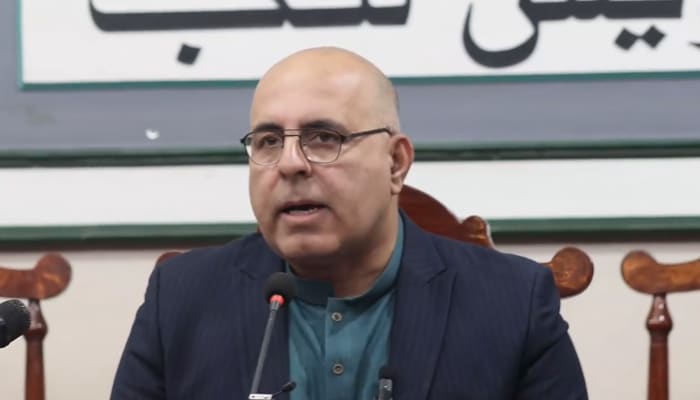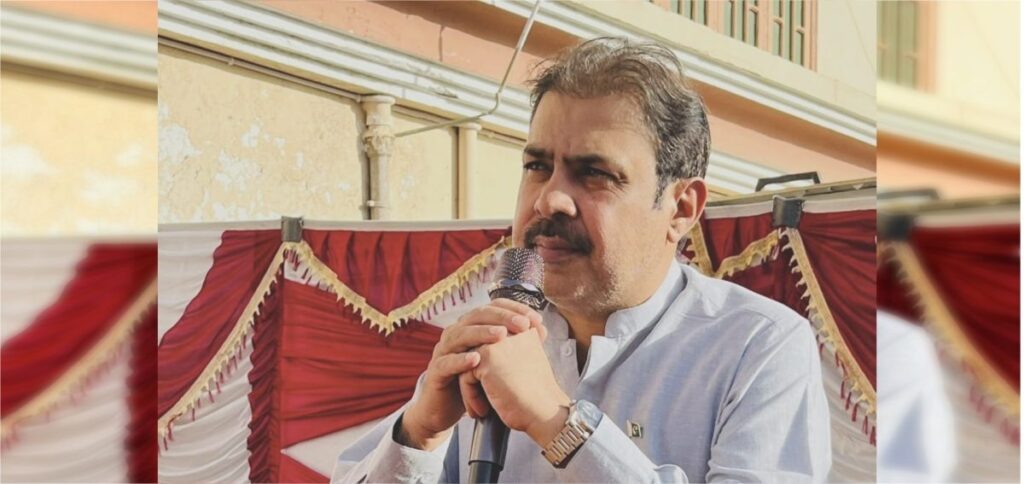
QUETTA: The District Monitoring Officer (DMO) has summoned Balochistan’s Parliamentary Secretary for Transport, Liaquat Lehri, for an alleged violation of the Election Commission of Pakistan’s (ECP) Code of Conduct.
The action follows a notice issued to the minister, stating that he attended an election corner meeting for a General Member in Ward No. 4, Union Council 14 of Zarghun Town. The DMO’s office contends this constitutes a breach of Paragraph 18 of the ECP code, which explicitly prohibits high-ranking government officials—including provincial ministers—from participating in election campaigns.
The notice emphasizes that as a provincial minister and political party member, Lehri engaged in prohibited activity by attending the campaign event. The rule is designed to maintain a level playing field and prevent the misuse of official position during elections.
Consequently, the DMO has ordered Parliamentary Secretary Lehri to appear before the Additional Commissioner’s office on December 15, 2025, at 4:00 PM. He has been directed to explain his position either in person or through legal counsel.
This formal summons marks a significant step by election monitors to enforce compliance with electoral regulations, highlighting scrutiny over the activities of public officials during the election period. Lehri’s response to the allegations is now awaited.
Meanwhile leaders of the Hazara Democratic Party (HDP) have launched their election campaign, inaugurating party offices and holding corner meetings across the city with a pledge to address Quetta’s persistent civic and economic crises.
Senior party officials, including Chairman Abdul Khaliq Hazara and General Secretary Ahmed Ali Kohzad, alongside nominated candidates and women leaders, addressed gatherings in Barai Chaltan and Zarghun Towns. They asserted that their candidates are intimately aware of public hardships, having “always been among the people.”
The leaders painted a stark picture of urban decay, citing severely dilapidated roads, blocked drainage systems, and chronic shortages of electricity and gas. They argued that these issues, compounded by rampant unemployment, inflation, and poverty, necessitate a “sincere and people-friendly leadership” to bring about change.
“Quetta city and province have been the center of various experiences for decades,” the leaders stated, implying a history of unfulfilled promises. They called for steps guided by a “clear vision” for the city’s rehabilitation, reconstruction, and development.