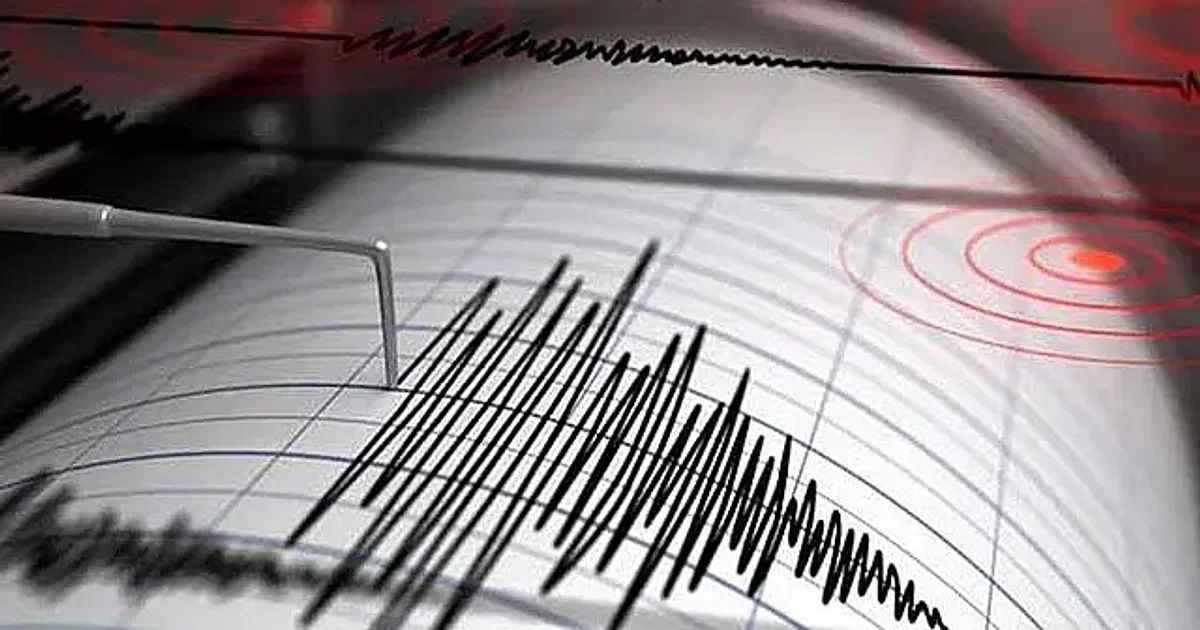
ISLAMABAD: Strong tremors from an earthquake were felt in the northern regions of the country.
According to reports, several cities, including Islamabad, experienced significant shaking.
The earthquake registered a magnitude of 5.8 on the Richter scale, with its epicenter located 159 kilometers underground.
The tremors were so intense that widespread panic ensued, prompting people to rush out of their homes while reciting prayers.
The cities where the earthquake was notably felt include Islamabad, Rawalpindi, Swat, Malakand, Muzaffarabad, Gilgit, Skardu, and Abbottabad.
Pakistan is highly vulnerable to earthquakes due to its unique geographic and tectonic setting.
The country lies at the junction of three major tectonic plates: the Indian Plate, the Eurasian Plate, and the Arabian Plate.
The continuous movement and collision of these plates create immense pressure beneath the Earth’s surface, which is released in the form of earthquakes.
This tectonic activity is the primary reason Pakistan frequently experiences seismic events, especially in its northern and western regions.
Another major factor is the presence of active fault lines across the country, particularly in areas such as Balochistan, Khyber Pakhtunkhwa, Gilgit-Baltistan, and Azad Kashmir.
Mountain-building processes in the Himalayas, Karakoram, and Hindu Kush ranges further contribute to seismic instability.
In addition, shallow and deep-focus earthquakes originating from the Hindu Kush region often affect large parts of Pakistan.
Rapid urbanization, weak infrastructure, and non-earthquake-resistant construction also increase the impact and damage caused by earthquakes, making seismic activity a serious natural risk for the country.