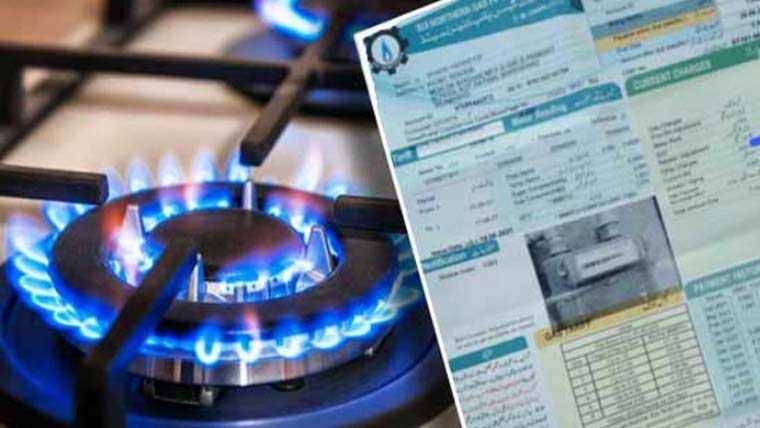
ISLAMABAD: The National Assembly NA Standing Committee on Energy was informed on Friday, that gas theft in Pakistan has reached a staggering Rs60 billion annually, with the financial burden of these losses being systematically transferred to paying consumers.
The committee, which met under the chairmanship of Syed Mustafa Mahmood, was briefed by officials from the Sui gas companies who revealed that the losses are evenly split between the country’s two primary gas utilities. Sui Northern Gas Pipelines Limited (SNGPL) suffers losses of Rs30 billion due to theft, while Sui Southern Gas Company (SSGC) incurs an identical amount, bringing the total national figure to Rs60 billion.
The issue of who ultimately pays for this massive shortfall was a key point of contention during the meeting.
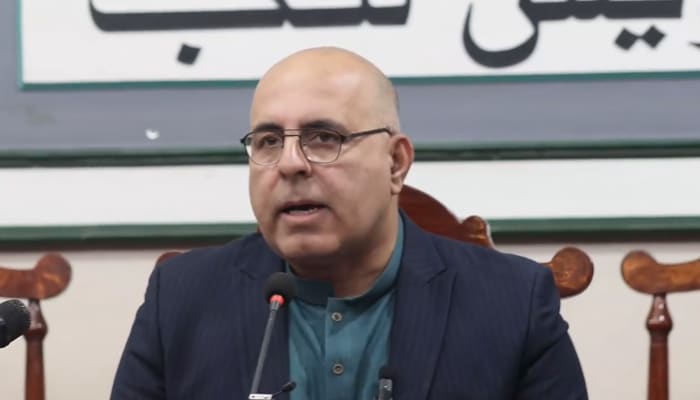
MNA Gul Asghar Khan highlighted a major disparity in the system, alleging that the cost of gas stolen by industrial consumers is being recovered from domestic users. “The loss of Rs30 billion due to gas theft is passed on to the consumers,” Khan stated. “Industrial consumers steal gas, and it is collected from domestic consumers.”
Sui Gas officials clarified the mechanism behind this cost transfer, explaining that they operate within a regulatory framework set by the Oil and Gas Regulatory Authority (OGRA). They noted that only losses up to OGRA’s prescribed limit, known as Unaccounted for Gas (UFG), are allowed to be passed on to consumers. The officials pointed out that even in developed countries, acceptable UFG levels are around 6 percent. However, they revealed that the situation at Sui Southern is far worse, with theft accounting for over 10 percent of the supply. They specified that 30 Billion Cubic Feet (BCF) of gas is being stolen from Sui Southern’s network, contributing to the Rs30 billion annual loss.
In a separate agenda item, the standing committee also scrutinized the management of energy training funds collected by petroleum companies. The meeting saw sharp exchanges over the apparent lack of utilization of these funds.
Former federal minister Syed Naveed Qamar expressed frustration over the issue, criticizing the failure to use the money for its intended purpose. “The money collected was not used for the purpose for which it was collected,” Qamar remarked. He attributed the problem to a lack of policy making and suggested expanding the investigation. “This incompetence is coming to the fore due to a lack of policy making. The provinces should also be called to the committee and asked about the training fund.”
When petroleum officials responded that they were working on a plan for the utilization of the funds, a visibly impatient Qamar pressed them for a timeline. “When will we finally make a plan?” he asked. “We are losing our patience.”