QUETTA: As the holy month of Ramadan ends, the arrival of Eid al-Fitr brings renewed joy and activity across homes, streets, and markets in Balochistan.
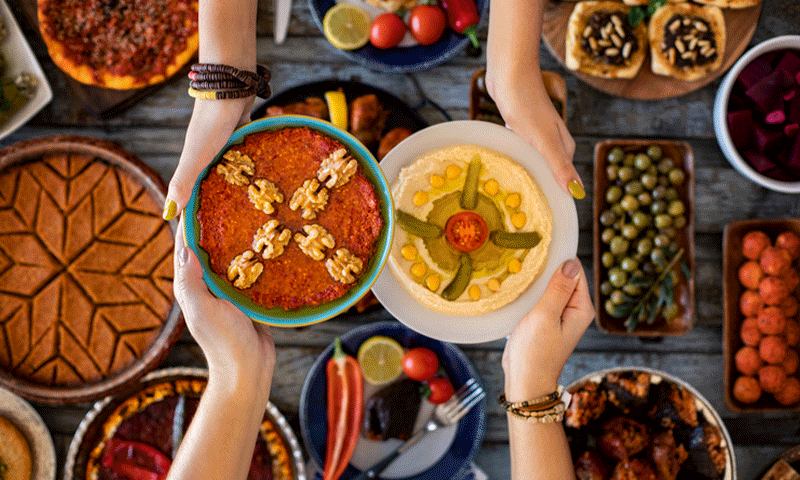
The festival marks not only the completion of a month of prayers but also a time for gratitude, hospitality, and shared celebration. Families prepare to welcome guests as traditional foods fill the air with rich aromas.
Balochistan is home to diverse communities, including Pashtun, Baloch, Hazara, and Punjabi groups. Each celebrates Eid with distinct customs and cuisine, reflecting the province’s cultural diversity.
On Eid morning, families offer Eid prayers and then serve sweet dishes to guests. Sheer khurma remains a staple in urban households. The dessert, made with milk, vermicelli, and dry fruits, defines the festive table. Many families also prepare kheer and firni.
In Baloch households, sajji takes center stage. Families also serve rosh and traditional pulao. These dishes highlight the simplicity and hospitality of Baloch culture.
Pashtun families prepare Kabuli pulao, rosh, and chapli kebab. The rice dish, cooked with meat and dry fruits, often leads Eid feasts. Chapli kebab and rosh add to the variety.
Hazara households prepare traditional dishes such as ashak and mantu. They also serve different types of pulao and sweets, adding variety to the table.
Punjabi families in Balochistan celebrate with their own specialties. Biryani, qorma, pulao, and shami kebabs are commonly served. Desserts such as kheer and sheer khurma complete the meal.
During Eid, dining spreads across Balochistan reflect unity and cultural harmony. The mix of flavors and traditions underscores a shared message: Eid is not just a festival, but a way to bring people closer.