Pakistan, UAE Near Signing of Comprehensive Economic Partnership Agreement: Envoy

Pakistan, UAE Near Signing of Comprehensive Economic Partnership Agreement: Envoy ISLAMABAD: Pakistan and the United Arab Emirates are in the final stages of concluding a Comprehensive Economic Partnership Agreement (CEPA) aimed at boosting bilateral trade and removing business barriers, the Lahore Chamber of Commerce & Industry (LCCI) said on Wednesday, quoting UAE Ambassador Salem Mohammed Al Zaabi. Pakistan and the UAE share strong economic ties, with the Gulf state ranking among Islamabad’s largest trading partners and a key source of remittances. Bilateral trade currently ranges between $8–10 billion, according to LCCI estimates, while millions of Pakistani expatriates live and work in the Emirates. The proposed CEPA — a wide-ranging trade framework designed to reduce tariffs, improve market access and enhance investment flows — is expected to formalize and deepen these economic links. Addressing the Lahore Chamber, Ambassador Al Zaabi said the agreement would significantly expand trade and help eliminate obstacles faced by businesses in both countries. “Pakistan and the UAE are at the final stage of signing a Comprehensive Economic Partnership Agreement, which would significantly boost bilateral trade and remove business obstacles between the two countries,” he said, according to a statement issued by the LCCI. He noted that the current trade volume does not reflect the full potential of the partnership and revealed that the UAE leadership has issued a “clear directive” to double bilateral trade at the earliest opportunity. Al Zaabi said the UAE is scaling up investments in Pakistan across infrastructure, ports, aviation, agriculture, minerals and railways. He added that talks with Pakistan’s Ministry of Railways are progressing, with new agreements expected soon to enhance supply chain connectivity from the northern regions to Karachi, including the possible establishment of a dry port. The envoy also said efforts are underway to reactivate the Joint Business Council to strengthen institutional cooperation between the two sides. On mobility and visas, Al Zaabi highlighted steps being taken to streamline procedures through digital systems and commended Pakistan’s Ministry of Interior for its cooperation. Discussions are also ongoing with the Punjab Skilled Labor Authority to facilitate the movement of skilled workers. “I am personally working at operational and technical levels to ensure that all signed agreements, including CEPA and other trade frameworks, are fully implemented,” he added. The ambassador underscored the UAE’s rapid transition toward a digitized, artificial intelligence-driven economy, noting that nearly 99 percent of government services are now available online. He emphasized opportunities in information technology, digital banking and innovation, and invited the Lahore Chamber to submit a comprehensive document outlining challenges and investment prospects. He assured that the UAE Embassy would review recommendations from the business community and facilitate investors from both countries, including giving special consideration to genuine business visa cases referred by the Chamber. Al Zaabi also acknowledged the vital role of the Pakistani diaspora in the UAE’s development, particularly in aviation and finance, and pointed out that the Emirati economy has diversified significantly, reducing its dependence on oil to below 25 percent. LCCI President Faheem Ur Rehman Saigol described the UAE as one of Pakistan’s most important trading partners in the Middle East and a major source of remittances. He said remittances from the UAE reached $7.8 billion in 2024. During fiscal year 2024–25, Pakistan’s exports to the UAE totaled $2.1 billion, while imports — largely petroleum products — stood at around $8 billion. These figures underline a persistent trade imbalance, with Pakistan importing far more from the UAE than it exports, despite the significant presence of Pakistani workers in the Gulf state. Saigol stressed that substantial untapped potential exists in renewable energy, agriculture and food processing, information technology, logistics, construction, tourism, health care and mining. He proposed establishing dedicated display centers for Pakistani products in the UAE, leveraging its status as a global re-export hub, and called for stronger engagement through trade delegations, business-to-business meetings and joint ventures.
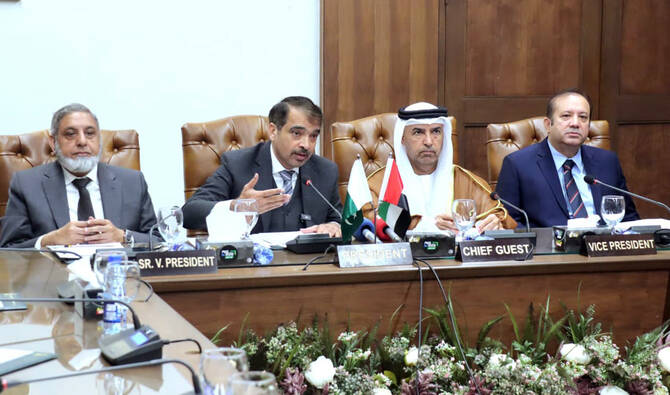
ISLAMABAD: Pakistan and the United Arab Emirates are in the final stages of concluding a Comprehensive Economic Partnership Agreement (CEPA) aimed at boosting bilateral trade and removing business barriers, the Lahore Chamber of Commerce & Industry (LCCI) said on Wednesday, quoting UAE Ambassador Salem Mohammed Al Zaabi.

Pakistan and the UAE share strong economic ties, with the Gulf state ranking among Islamabad’s largest trading partners and a key source of remittances. Bilateral trade currently ranges between $8–10 billion, according to LCCI estimates, while millions of Pakistani expatriates live and work in the Emirates. The proposed CEPA — a wide-ranging trade framework designed to reduce tariffs, improve market access and enhance investment flows — is expected to formalize and deepen these economic links.

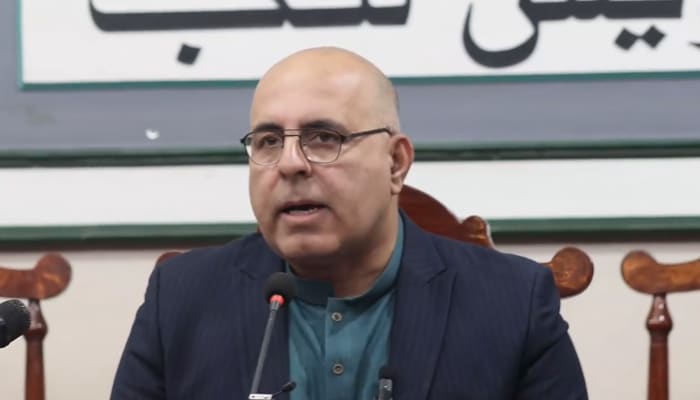
Addressing the Lahore Chamber, Ambassador Al Zaabi said the agreement would significantly expand trade and help eliminate obstacles faced by businesses in both countries.

“Pakistan and the UAE are at the final stage of signing a Comprehensive Economic Partnership Agreement, which would significantly boost bilateral trade and remove business obstacles between the two countries,” he said, according to a statement issued by the LCCI.

He noted that the current trade volume does not reflect the full potential of the partnership and revealed that the UAE leadership has issued a “clear directive” to double bilateral trade at the earliest opportunity.

Al Zaabi said the UAE is scaling up investments in Pakistan across infrastructure, ports, aviation, agriculture, minerals and railways. He added that talks with Pakistan’s Ministry of Railways are progressing, with new agreements expected soon to enhance supply chain connectivity from the northern regions to Karachi, including the possible establishment of a dry port.

The envoy also said efforts are underway to reactivate the Joint Business Council to strengthen institutional cooperation between the two sides.

On mobility and visas, Al Zaabi highlighted steps being taken to streamline procedures through digital systems and commended Pakistan’s Ministry of Interior for its cooperation. Discussions are also ongoing with the Punjab Skilled Labor Authority to facilitate the movement of skilled workers.

“I am personally working at operational and technical levels to ensure that all signed agreements, including CEPA and other trade frameworks, are fully implemented,” he added.

The ambassador underscored the UAE’s rapid transition toward a digitized, artificial intelligence-driven economy, noting that nearly 99 percent of government services are now available online. He emphasized opportunities in information technology, digital banking and innovation, and invited the Lahore Chamber to submit a comprehensive document outlining challenges and investment prospects.

He assured that the UAE Embassy would review recommendations from the business community and facilitate investors from both countries, including giving special consideration to genuine business visa cases referred by the Chamber.

Al Zaabi also acknowledged the vital role of the Pakistani diaspora in the UAE’s development, particularly in aviation and finance, and pointed out that the Emirati economy has diversified significantly, reducing its dependence on oil to below 25 percent.

LCCI President Faheem Ur Rehman Saigol described the UAE as one of Pakistan’s most important trading partners in the Middle East and a major source of remittances. He said remittances from the UAE reached $7.8 billion in 2024. During fiscal year 2024–25, Pakistan’s exports to the UAE totaled $2.1 billion, while imports — largely petroleum products — stood at around $8 billion.

Also Read: Overseas Pakistanis in UAE to Get Zero-Cost Digital Wallet

These figures underline a persistent trade imbalance, with Pakistan importing far more from the UAE than it exports, despite the significant presence of Pakistani workers in the Gulf state.

Saigol stressed that substantial untapped potential exists in renewable energy, agriculture and food processing, information technology, logistics, construction, tourism, health care and mining. He proposed establishing dedicated display centers for Pakistani products in the UAE, leveraging its status as a global re-export hub, and called for stronger engagement through trade delegations, business-to-business meetings and joint ventures.
Scroll to Top