QUETTA: Balochistan is facing severe climate pressures as unusually low rainfall pushes large parts of the province into drought. Water management failures are worsening the crisis.
A recent report by the Asian Development Bank’s Development Asia highlighted the water crisis in Balochistan and stated that the province’s cultivable land has shrunk to just 7.2 percent.
Balochistan once produced 27 crops, including apples, grapes, wheat and rice. But agricultural experts warn that persistent water shortages are steadily reducing output.
They say groundwater levels are dropping by 3 to 4 feet every year due to declining rainfall. This deepening drought is hitting rural communities hard, affecting nearly 75 percent of the rural population.
Experts warn that without urgent action to address water scarcity, cultivable land will shrink further, leading to severe crop shortages and forcing communities to migrate.
They stress that Balochistan now urgently needs more water storage, better resource management and effective water governance to prevent a looming agricultural and humanitarian crisis.
The last month Asian Development Bank (ADB) report had warned of an extreme water crisis in Balochistan and stated that the worsening water shortage reduced the cultivated land to only 7 percent of the province’s total land.
According to ADB, a new digital water and weather monitoring system has been installed in the province to help address the crisis. The system aims to provide accurate data. Automatic weather stations are now recording precise information on rainfall, temperature and wind speed.
The report said farmers can now use this climate data to plan irrigation more effectively. The digital system is helping reduce water wastage and increase crop output. It has also improved the province’s ability to forecast floods and droughts in time, reducing potential losses.
ADB said the government is now receiving reliable information for fair water distribution and better management. Coordination between departments has improved, and planning has become more efficient. Local communities have also been trained and can now operate and maintain these systems.
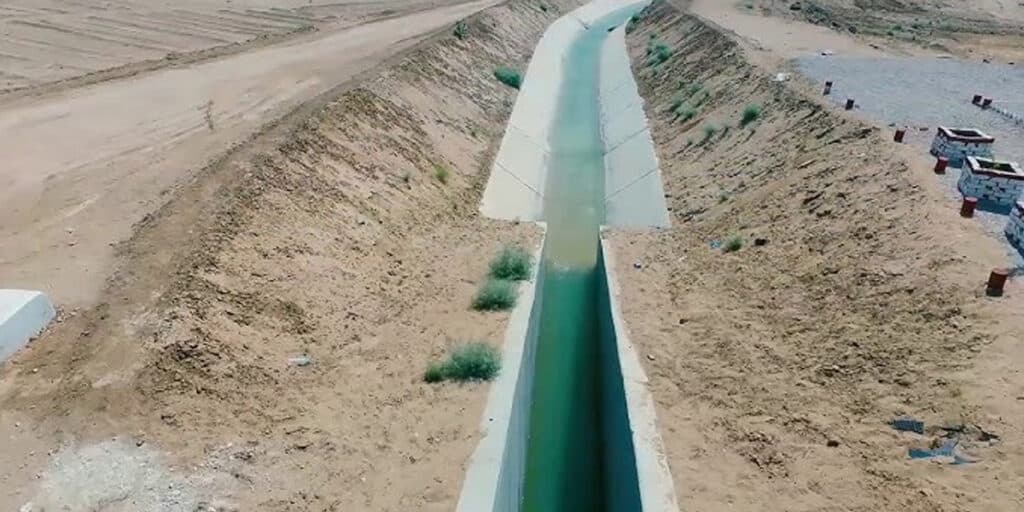
The bank noted that new dams and canal networks have significantly improved water availability for irrigation. Solar-powered drip irrigation is also helping conserve water and stabilise agriculture in the province.
Earlier this month, the NDMA report identified several high-risk water crisis districts in Balochistan where groundwater levels are already critically low, increasing the province’s vulnerability to drought. The high-risk districts include Chagai, Noshki, Panjgur, and Gwadar. Water scarcity in these areas has become a major challenge for both agriculture and livestock.
Experts say Balochistan’s weather patterns have changed dramatically in recent years. Once known for timely winter rains and early snowfall on mountain ranges, the province is now witnessing prolonged dry spells, with drought conditions worsening each year.