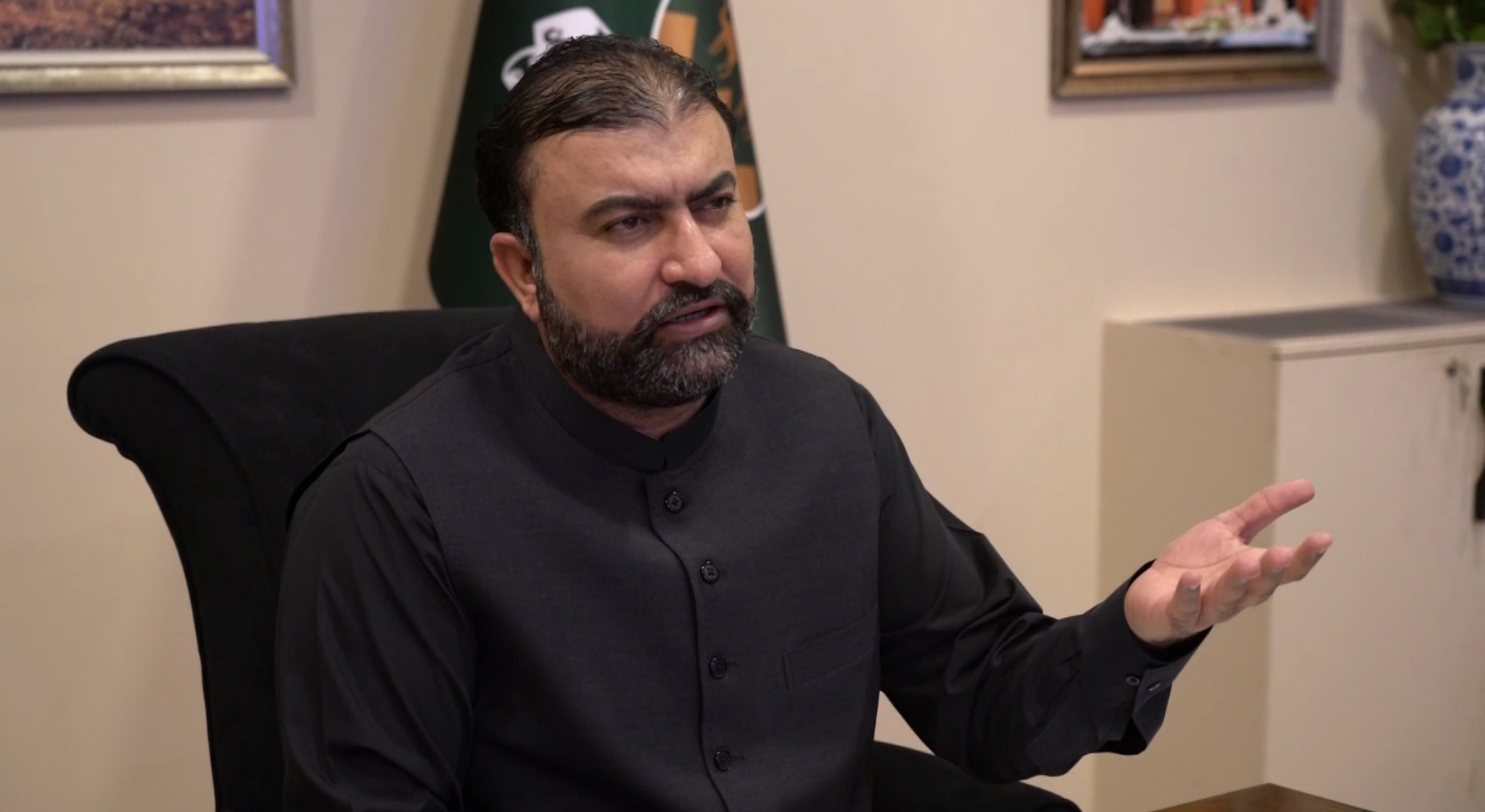
ISLAMABAD: Balochistan Chief Minister Sarfraz Bugti has assured foreign investors that Pakistan has the “capacity and capability” to secure the multibillion-dollar Reko Diq copper-gold project, following a review ordered by Canada’s Barrick Mining Corporation.
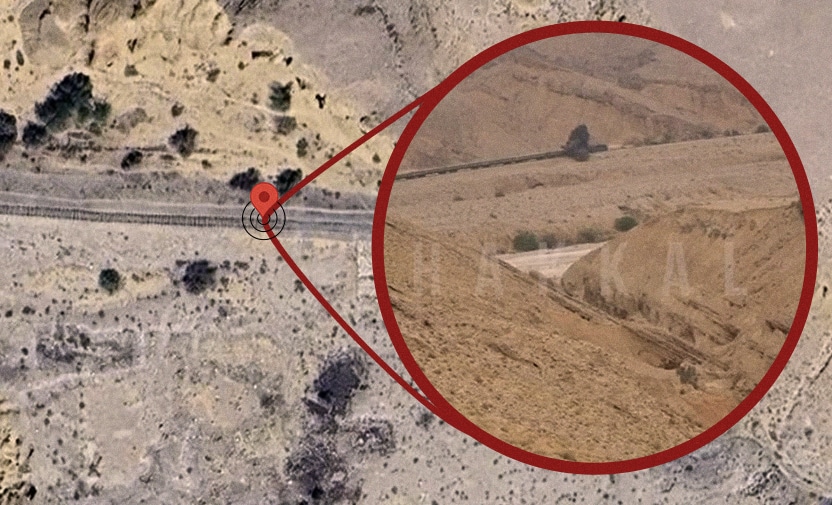
Barrick announced the review after coordinated Baloch Liberation Army (BLA) assaults on January 30-31 killed 36 civilians and 22 security personnel across multiple districts. Pakistani authorities said follow-up operations killed 216 militants of the Fitna al Hindustan, a term used for internationally designated terrorist group BLA.
The Reko Diq mine, one of the world’s largest undeveloped copper and gold deposits, is central to Pakistan’s plan to attract foreign investment and boost mineral exports amid a prolonged economic crisis. Islamabad projects the mine could generate $70 billion in free cash flow and $90 billion in operating cash flow. The project, expected to begin production in 2028, is jointly owned by Barrick Gold and the governments of Pakistan and Balochistan.
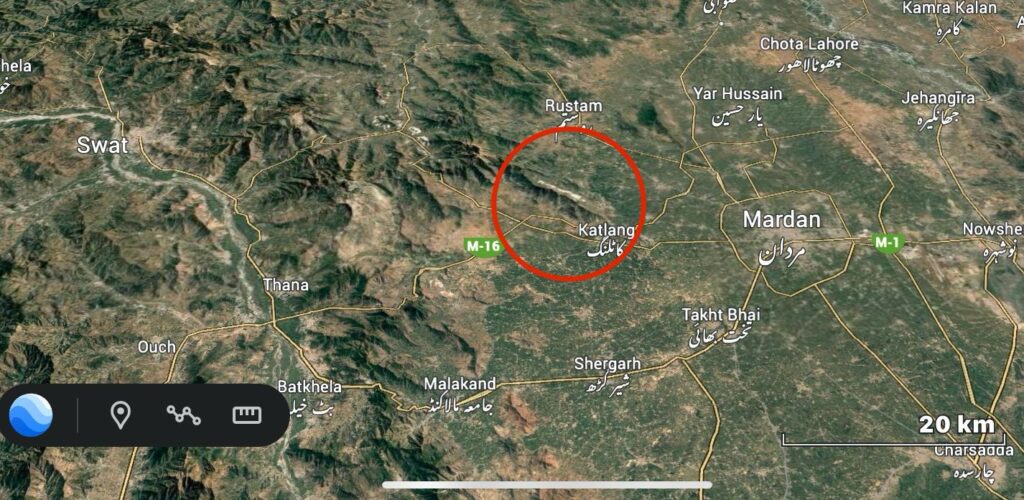
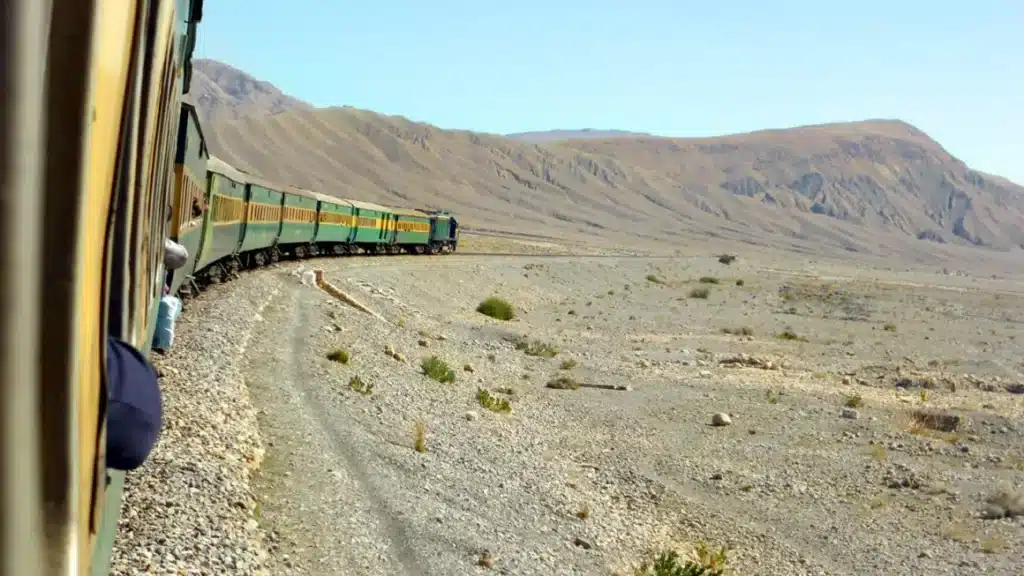
Security concerns have long overshadowed development in Balochistan, a sparsely populated province bordering Iran and Afghanistan, where separatist groups target security forces, infrastructure, and foreign-linked projects. Militants allege the state exploits local resources without benefiting residents, claims denied by the government.
“Of course, the government of Balochistan is concerned about security,” Bugti told Arab News in Islamabad. “Barrick Gold has a very large investment and we have other international partners. We want to assure them that we have the capacity and capability to protect our foreign investors. The state is intact, the government is intact.”
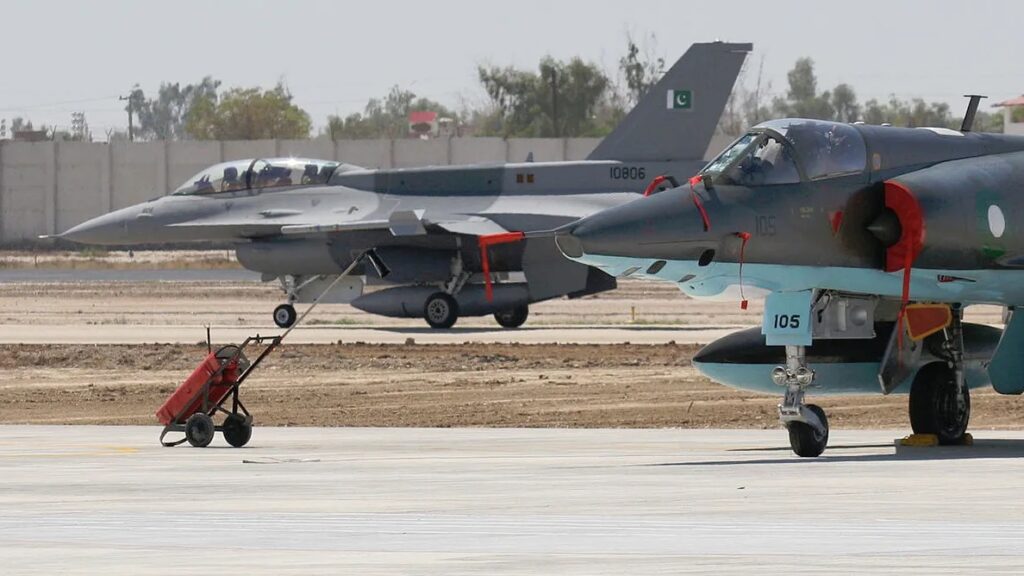
Bugti said authorities were redesigning security arrangements, including creating a dedicated protection force for mineral-rich areas and strengthening border controls. He acknowledged that the attacks had affected investor confidence.
“Yes, attacks do make a dent,” he said. “When your province takes off economically, it impacts perception.”
Bugti rejected labeling the January attacks as a “security failure.” “A security failure is when the army’s corps headquarters is captured or when someone seizes control of the biggest cantonment in Quetta. What happened was a success of security forces; within hours, except for Nushki, everything was cleared.”
The chief minister also accused India of supporting insurgent groups in Balochistan, citing the 2016 arrest of Indian national Kulbhushan Jadhav, whom Pakistan claims was an intelligence officer assisting Baloch militants. India has repeatedly denied these allegations and challenged the conviction at the International Court of Justice.
Also Read: Pakistan Plans Special Force to Protect Reko Diq Project
Looking ahead, Bugti stressed that long-term stability in Balochistan depends on combining security operations with economic development. “There is a development paradigm and a security paradigm. Both must move forward together. Meritocracy and anti-corruption drives are key to success in Balochistan,” he said.