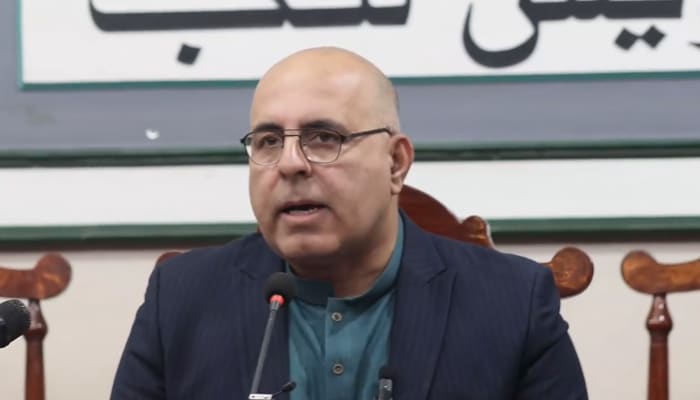
WEBDESK: Sardar Abdul Rehman Khetran, a prominent tribal leader from Barkhan, has sharply criticized separatist militants and defended the role of traditional leaders, or Sardars, in Balochistan. In an interview with an international organization, Khetran argued that anti-state violence, not the Sardar system, is the primary obstacle to the province’s progress.
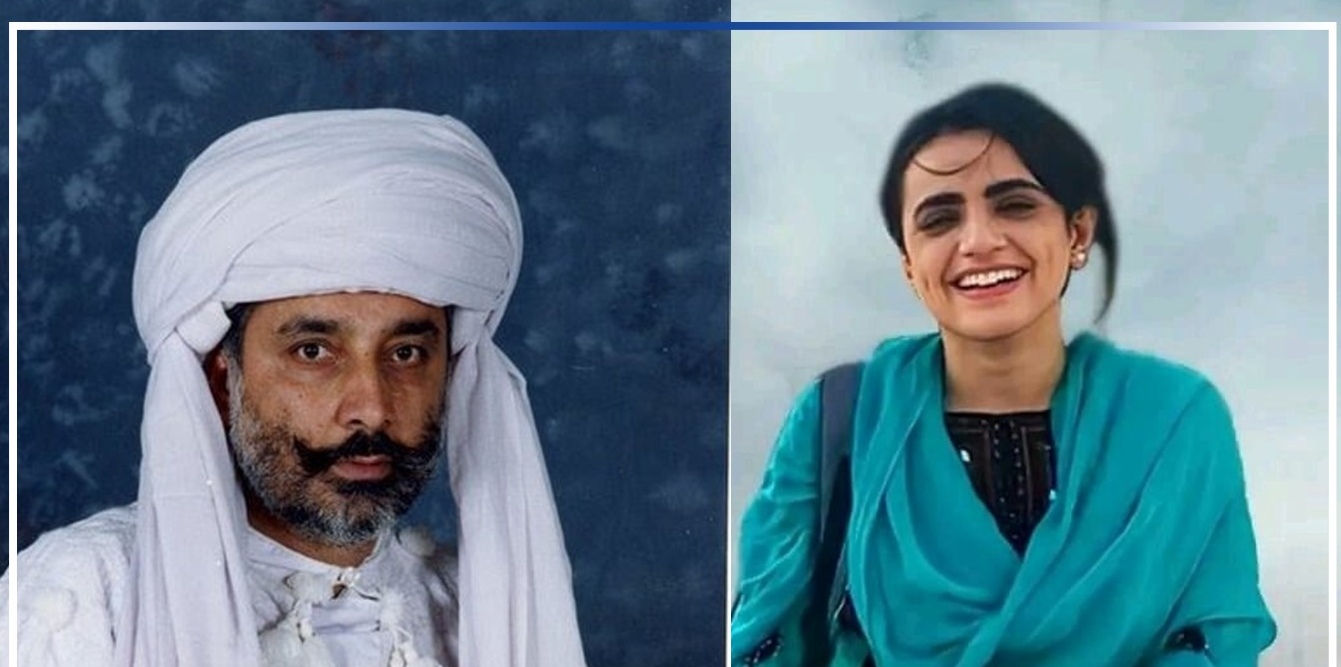
He recounted attacks by the banned Baloch Liberation Army (BLA) in his area, claiming a “befitting reply” had deterred them. “Which Sardar will support them and become an enemy of the state?” he questioned, asserting that no tribal leader opposes development. Instead, he accused extremists of exploiting activists like Mahrang Baloch to advance an “anti-Baluchistan agenda” under the guise of opposing the Sardar system and demanding rights.
Khetran challenged the narrative of systematic oppression, asking, “We say, get an education and take exams for jobs, so who stops them?” He contended that the real development crisis stems from violence and massive security expenditures. With a provincial annual development budget of approximately Rs 1,000 billion, he claimed up to Rs 800 billion is diverted to security, leaving minimal funds for infrastructure. “The enemy of our development is none other than ourselves,” he stated, citing attacks on trains, schools, hospitals, and road builders.
The Sardar also noted a paradoxical benefit from regional tensions, stating that while the closure of the Afghan border caused economic losses, it significantly reduced terrorism and weapons smuggling, cutting off financial support for militants.