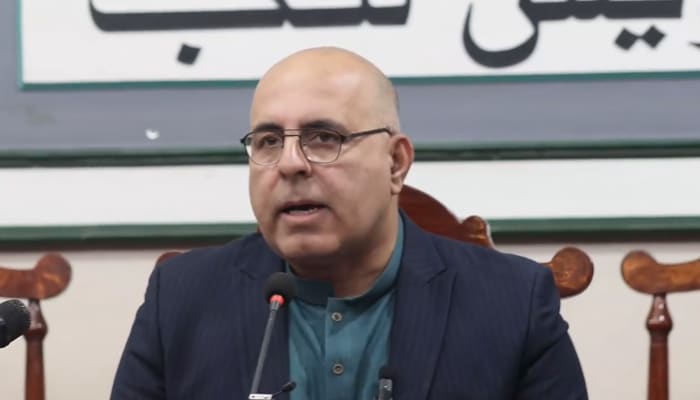
QUETTA: Abdul Wahid Barich, the Provincial Chairman of the Quetta Pakistan Flour Mills Association for Balochistan, has issued a stark warning over a deepening flour scarcity in the province, attributing the crisis to severe and “illegal” obstacles in wheat transportation.
Speaking to the media, Barich expressed grave concern that the crisis is intensifying due to a dual challenge: the non-availability of local wheat stocks and what he termed as “unnecessary and illegal restrictions” on bringing wheat from other provinces into Balochistan. He specifically identified customs officials at the Nutal check post on the National Highway as a major bottleneck.
“Customs officials are stopping various vehicles at Nutal, including those that supply wheat to mills and shopkeepers in Balochistan,” Barich stated. This wheat is later processed into flour for the provincial market. The arbitrary halting of these supply vehicles, he argued, is creating a severe disruption in the supply chain, causing serious problems for both ordinary citizens and traders.
The flour mill official elaborated that these stops at various checkposts under “false pretenses” are not just causing delays but are also inflating costs. The additional expenses incurred by the mills due to these hindrances are ultimately being passed on to the common citizen. This combination of reduced supply and increased costs is directly contributing to flour shortages and price hikes in local markets across Balochistan.
In a direct appeal, Abdul Wahid Barich urged the federal and provincial governments and all concerned authorities to intervene immediately. He demanded the removal of these transport restrictions to allow the uninterrupted movement of wheat into the province. Furthermore, he called for concrete steps to ensure the immediate and sustained supply of flour to Balochistan’s markets to prevent the common citizen from facing further hardship and food insecurity.